
EPISODE · May 27, 2026 · 1 MIN
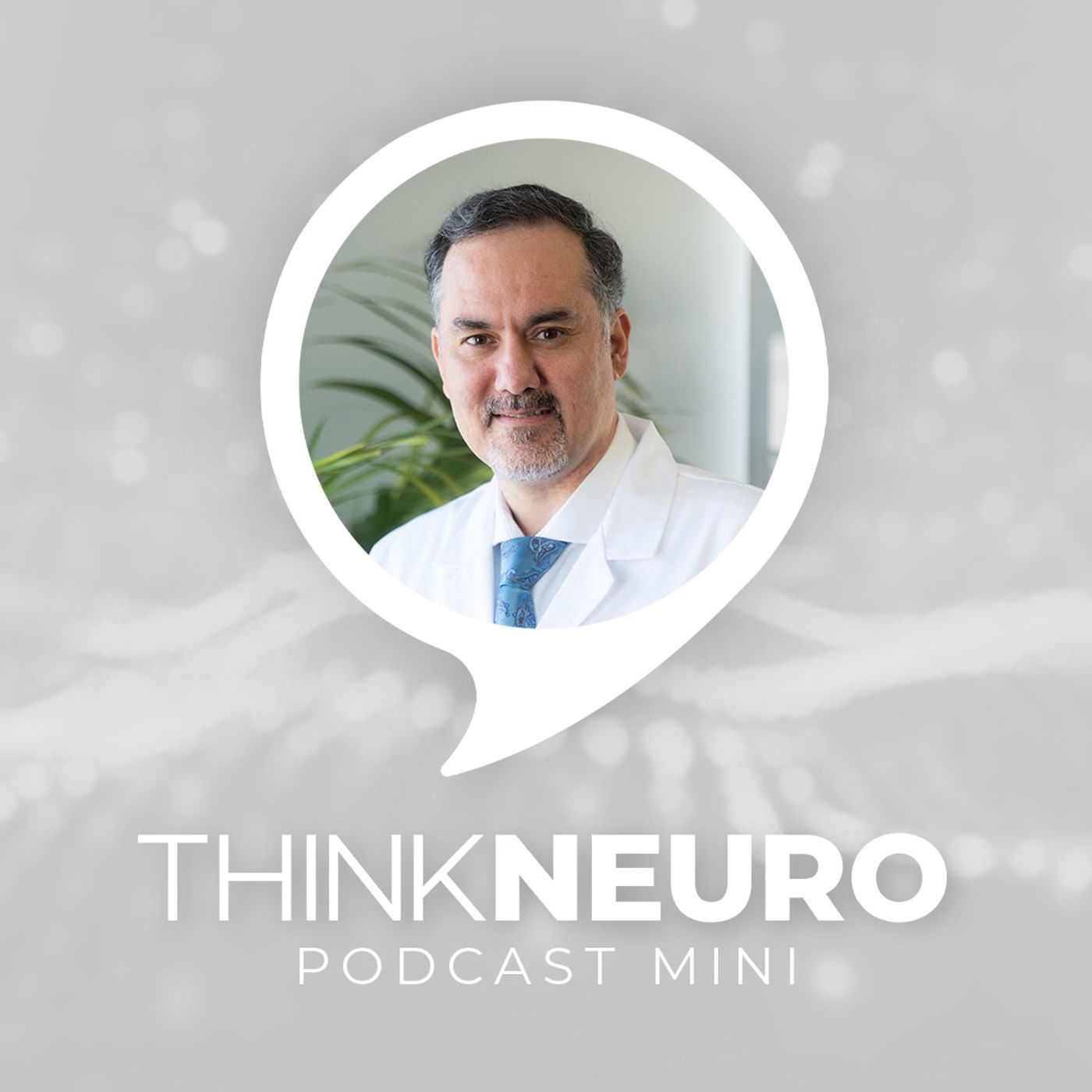
Chronic Subdural Hematoma with Ashkan Mowla, MD
from Think Neuro · host Pacific Neuroscience Institute
When blood collects in the skull outside the brain and below the outermost layer of tissue surrounding the brain (dura), a subdural hematoma results. This may occur due to head trauma when it is called an acute subdural hematoma. Chronic subdural hematomas may occur due to aging and the increased fragility of blood vessels. The pooled blood may resolve on its own or may require surgical intervention as development of a subdural hematoma can be a life-threatening condition. Symptoms of subdural hematoma can include headache, confusion, change in behavior, dizziness, nausea and vomiting, lethargy or excessive drowsiness, weakness, apathy, and seizures. Subdural hematomas are generally diagnosed by CT scan or MRI imaging. Ashkan Mowla, MD, FAHA, FAAN, is neuro-interventional surgeon at the Pacific Neuroscience Institute® (PNI). He specializes in minimally invasive endovascular procedures to treat conditions and diseases of the brain and spine, including stroke, brain aneurysm, brain and spine arteriovenous malformation and fistula and carotid and intracranial disease. Accepting new patients: 424-212-5361
Embed this episode
NOW PLAYING
Chronic Subdural Hematoma with Ashkan Mowla, MD
No transcript for this episode yet
Similar Episodes
No similar episodes found.
Similar Podcasts
No similar podcasts found.