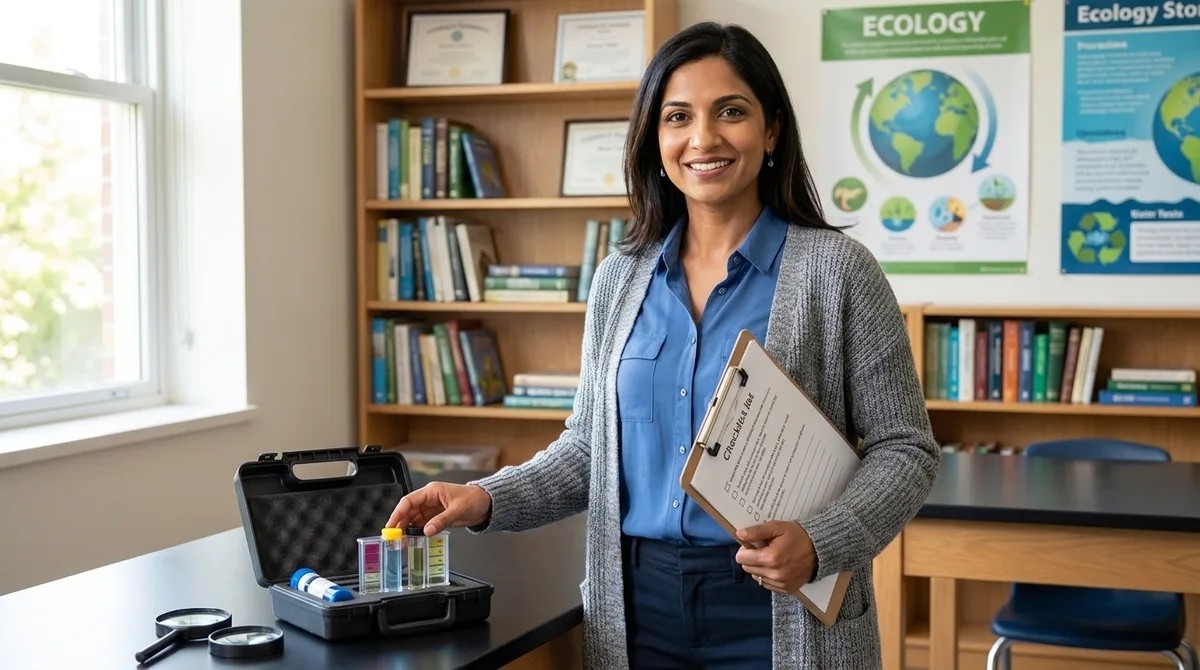
Citizen Science Project Checklist: Everything Young Researchers Need
from The STEM Lab
Your kid already has the curiosity—they're the one tracking bugs, checking weather gauges, and asking a million questions about nature. But how do you turn that enthusiasm into real science that actual researchers can use? This episode walks parents through everything young scientists need to participate in authentic citizen science projects, from the right equipment to proper data handling. Whether your child is in middle school or heading toward university-level research, this checklist bridges the gap between backyard exploring and rigorous scientific contribution. Real science needs real tools, not toy versions. A cheap thermometer or random pH strip won't cut it—scientists need data from calibrated instruments that speak the same language as their databases. Think of it like trying to play an online video game with everyone else, but your controller sends scrambled signals. Your data just won't work. Timestamps and location data make or break your contribution. Recording exactly when and where you collected data is like putting a return address on a letter—without it, your observation can't be matched with anyone else's work. Projects need GPS coordinates accurate to within a few meters and times synced to universal standards. Use the containers and methods each project specifies. Grabbing a random jar from your kitchen to collect water samples is like using a dirty plate for a cooking competition—contamination ruins everything. Each project has specific rules about containers, preservatives, and handling for good reason. Dead batteries can erase hours of work. Missing a scheduled data collection because your device died creates a gap in the research, like a missing puzzle piece that weakens the whole picture. Pack backup power sources and plan for the worst. Spreadsheet skills matter as much as fieldwork. Knowing how to organize data in rows and columns might sound boring, but it's what transforms a pile of random numbers into something scientists can actually analyze. Think of spreadsheets as the translator between your observations and the research world. Show Links Affiliate Disclosure: As an Amazon Associate I earn from qualifying purchases. Full article: https://stemlabguide.com/citizen-science-project-checklist Vernier Go Direct Sensor Station - https://www.amazon.com/s?k=Vernier%20Go%20Direct%20Sensor%20Station&tag=stemlab-20 Related Articles How to Choose a Citizen Science Kit for Your Child's Skill Level - https://stemlabguide.com/how-to-choose-a-citizen-science-kit-for-your-child-s-skill-level STEM Toys for 10 Year Olds That Teach Real Skills: Skill-Building Guide - https://stemlabguide.com/stem-toys-for-10-year-olds-that-teach-real-skills Best 3D Printers for Kids and Teens: Complete Buyer's Guide for Educational STEM Learning - https://stemlabguide.com/best-3d-printers-for-kids-and-teens Best Robotics Kits for Kids: Complete Guide to Building Real Engineering Skills - https://stemlabguide.com/best-robotics-kits-for-kids How to Build Your First Machine Learning Model with Kids: Step-by-Step Guide - https://stemlabguide.com/how-to-build-your-first-machine-learning-model-with-kids
Embed this episode
No transcript yet.