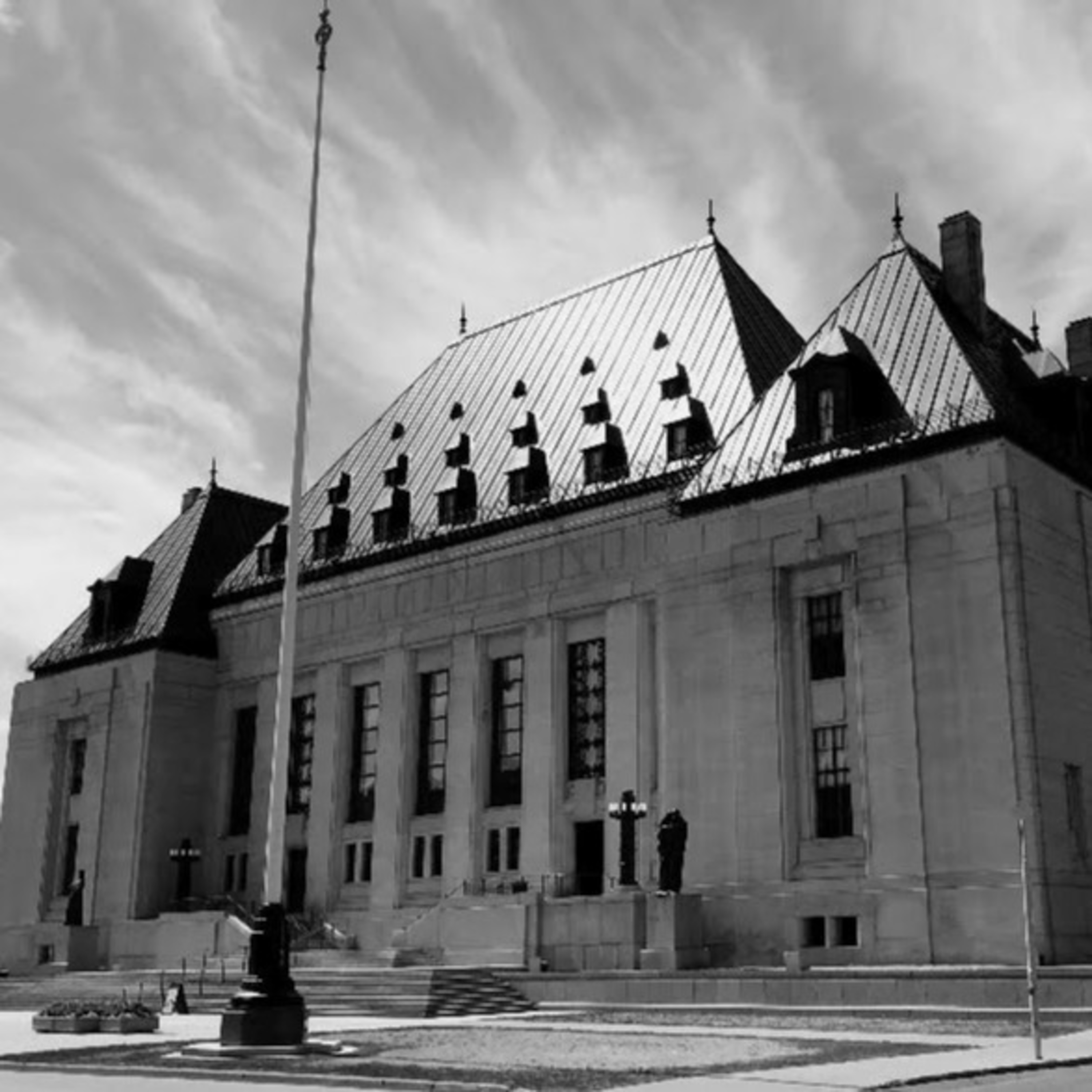
City of St. John’s v. Wallace Lynch, et al. (40302) episode artwork

EPISODE · Dec 3, 2023 · 2H 41M

City of St. John’s v. Wallace Lynch, et al. (40302)

from Supreme Court of Canada Hearings (Floor Audio) · host SCC Hearings Podcast

In 1991, Newfoundland and Labrador reorganized its northeast Avalon municipalities, expanding St. John’s boundaries and triggering a new planning process for St. John’s. The Lynch property and others were zoned as “watershed” because they fall within the Broad Cove River Watershed, which feeds St. John’s municipal water supply. In 2011, the Lynches asked the City what sort of residential, agricultural, forestry or public utility uses the property could be put to. They were informed verbally that no development would be permitted. They then applied to develop a ten-lot residential subdivision. In a letter dated February 1, 2013, the City Manager rejected their application as being contrary to ss. 104 and 106 of the City of St. John’s Act and the development regulations which established the watershed zoning. The municipal water supply had been subject to statutory protection through limits on development since before the Crown Grant in 1917. In 1959, the City of St. John’s Act was amended to add the Broad Cove Watershed to the area within St. John’s control, even though it was not within the city itself. As a result, the Lynch property was subject to St. John’s pollution control and its powers of expropriation, and its use and development were restricted. Residential building was not expressly prohibited until 1964, when St. John’s amended the City of St. John’s Act to prohibit the erection of most buildings in the controlled area unless they were associated with existing private family dwellings. In 1978, these restrictions were softened to allow the City Manager to grant permission to build on the land. In 1992, St. John’s boundaries were expanded to include the Lynch property, so St. John’s general land use zoning applied to the property. The watershed zoning came into effect in 1994, and the resulting management plan, which included keeping St. John’s watersheds “as pristine as possible”, was adopted in 1996. The Newfoundland and Labrador Court of Appeal held that the City Manager’s decision to prevent any development in any manner, set out in the February 1, 2013, letter, constituted constructive expropriation: Lynch v. St. John’s (City), 2016 NLCA 35, at paras. 66-67 (“Expropriation Decision”). The Court of Appeal remitted the issue of compensation to the Board of Commissioners of Public Utilities. In the course of determining compensation, the Board referred the following question to the Supreme Court of Newfoundland and Labrador under the Expropriation Act, R.S.N.L. 1990, c. E-19, s. 26(3), by special case: Whether the Lynches’ compensation should be assessed based on the uses permitted by the existing zoning, which are agriculture, forestry and public utility uses, or whether the existing zoning should be ignored and the value determined as if residential development were permissible. The applications judge granted compensation for constructive expropriation of property based on existing watershed zoning. The Court of Appeal allowed the appeal in part, ordering that compensation be determined without reference to watershed zoning. Argued Date 2023-11-16 Keywords Expropriation - Expropriation — Constructive expropriation — Compensation — Causation — How compensation for constructive expropriation should be assessed — Proper causation analysis for determining loss to landowner — Pointe Gourde principle — Whether regulations sufficiently linked to expropriation of property to justify application of Pointe Gourde principle. Notes (Newfoundland & Labrador) (Civil) (By Leave) Language Floor Audio Disclaimers This podcast is created as a public service to promote public access and awareness of the workings of Canada's highest court. It is not affiliated with or endorsed by the Court. The original version of this hearing may be found on the Supreme Court of Canada's website. The above case summary was prepared by the Office of the Registrar of the Supreme Court of Canada (Law Branch).

In 1991, Newfoundland and Labrador reorganized its northeast Avalon municipalities, expanding St. John’s boundaries and triggering a new planning process for St. John’s. The Lynch property and others were zoned as “watershed” because they fall within the Broad Cove River Watershed, which feeds St. John’s municipal water supply. In 2011, the Lynches asked the City what sort of residential, agricultural, forestry or public utility uses the property could be put to. They were informed verbally that no development would be permitted. They then applied to develop a ten-lot residential subdivision. In a letter dated February 1, 2013, the City Manager rejected their application as being contrary to ss. 104 and 106 of the City of St. John’s Act and the development regulations which established the watershed zoning.The municipal water supply had been subject to statutory protection through limits on development since before the Crown Grant in 1917. In 1959, the City of St. John’s Act was amended to add the Broad Cove Watershed to the area within St. John’s control, even though it was not within the city itself. As a result, the Lynch property was subject to St. John’s pollution control and its powers of expropriation, and its use and development were restricted. Residential building was not expressly prohibited until 1964, when St. John’s amended the City of St. John’s Act to prohibit the erection of most buildings in the controlled area unless they were associated with existing private family dwellings. In 1978, these restrictions were softened to allow the City Manager to grant permission to build on the land. In 1992, St. John’s boundaries were expanded to include the Lynch property, so St. John’s general land use zoning applied to the property. The watershed zoning came into effect in 1994, and the resulting management plan, which included keeping St. John’s watersheds “as pristine as possible”, was adopted in 1996.The Newfoundland and Labrador Court of Appeal held that the City Manager’s decision to prevent any development in any manner, set out in the February 1, 2013, letter, constituted constructive expropriation: Lynch v. St. John’s (City), 2016 NLCA 35, at paras. 66-67 (“Expropriation Decision”). The Court of Appeal remitted the issue of compensation to the Board of Commissioners of Public Utilities. In the course of determining compensation, the Board referred the following question to the Supreme Court of Newfoundland and Labrador under the Expropriation Act, R.S.N.L. 1990, c. E-19, s. 26(3), by special case:Whether the Lynches’ compensation should be assessed based on the uses permitted by the existing zoning, which are agriculture, forestry and public utility uses, or whether the existing zoning should be ignored and the value determined as if residential development were permissible.The applications judge granted compensation for constructive expropriation of property based on existing watershed zoning. The Court of Appeal allowed the appeal in part, ordering that compensation be determined without reference to watershed zoning. Argued Date 2023-11-16 Keywords Expropriation - Expropriation — Constructive expropriation — Compensation — Causation — How compensation for constructive expropriation should be assessed — Proper causation analysis for determining loss to landowner — Pointe Gourde principle — Whether regulations sufficiently linked to expropriation of property to justify application of Pointe Gourde principle. Notes (Newfoundland & Labrador) (Civil) (By Leave) Language Floor Audio Disclaimers This podcast is created as a public service to promote public access and awareness of the workings of Canada's highest court. It is not affiliated with or endorsed by the Court. The original version of this hearing may be found on the Supreme Court of Canada's website. The above case summary was prepared by the Office of the Registrar of the Supreme Court of Canada (Law Branch).

NOW PLAYING

City of St. John’s v. Wallace Lynch, et al. (40302)

0:00 2:41:11

No transcript for this episode yet

We transcribe on demand. Request one and we'll notify you when it's ready — usually under 10 minutes.

Ask A Spaceman Archives - 365 Days of Astronomy Ask A Spaceman Archives - 365 Days of Astronomy Podcasting Astronomy Every Day of the Year Eat to Live Jenna Fuhrman, Dr. Fuhrman Our health is our most precious gift and smart nutrition can change your life. Each month, join Dr. Fuhrman and his daughter, Jenna Fuhrman as they discuss important topics in the world of nutrition. Eat to Live will change the way you eat and think about food. French Your Way Jessica: Native French teacher founder of French Your Way Boost your French listening skills and test your comprehension with this one of a kind series of podcasts. Get the chance to listen to a real conversation between native speakers talking at normal speed AND customise your learning experience through carefully designed sets of questions (2 levels of difficulty) available for download at www.frenchvoicespodcast.com. All interviews also come with the transcript. French teacher Jessica interviews native speakers of French from around the world who share a bit of their life and passion. Where else would you meet in one same place a French yoga teacher based in Melbourne, a soap manufacturer from Provence, or a couple cycling around the world? That Hoarder: Overcome Compulsive Hoarding That Hoarder Hoarding disorder is stigmatised and people who hoard feel vast amounts of shame. This podcast began life as an audio diary, an anonymous outlet for somebody with this weird condition. That Hoarder speaks about her experiences living with compulsive hoarding, she interviews therapists, academics, researchers, children of hoarders, professional organisers and influencers, and she shares insight and tips for others with the problem. Listened to by people who hoard as well as those who love them and those who work with them, Overcome Compulsive Hoarding with That Hoarder aims to shatter the stigma, share the truth and speak openly and honestly to improve lives.

Frequently Asked Questions

How long is this episode of Supreme Court of Canada Hearings (Floor Audio)?

This episode is 2 hours and 41 minutes long.

When was this Supreme Court of Canada Hearings (Floor Audio) episode published?

This episode was published on December 3, 2023.

What is this episode about?

In 1991, Newfoundland and Labrador reorganized its northeast Avalon municipalities, expanding St. John’s boundaries and triggering a new planning process for St. John’s. The Lynch property and others were zoned as “watershed” because they fall...

Can I download this Supreme Court of Canada Hearings (Floor Audio) episode?

Yes, you can download this episode by clicking the download button on the episode player, or subscribe to the podcast in your preferred podcast app for automatic downloads.
URL copied to clipboard!