
EPISODE · Feb 18, 2025 · 43 MIN
Constitutional Rights, Tech Governance, and Power Structures
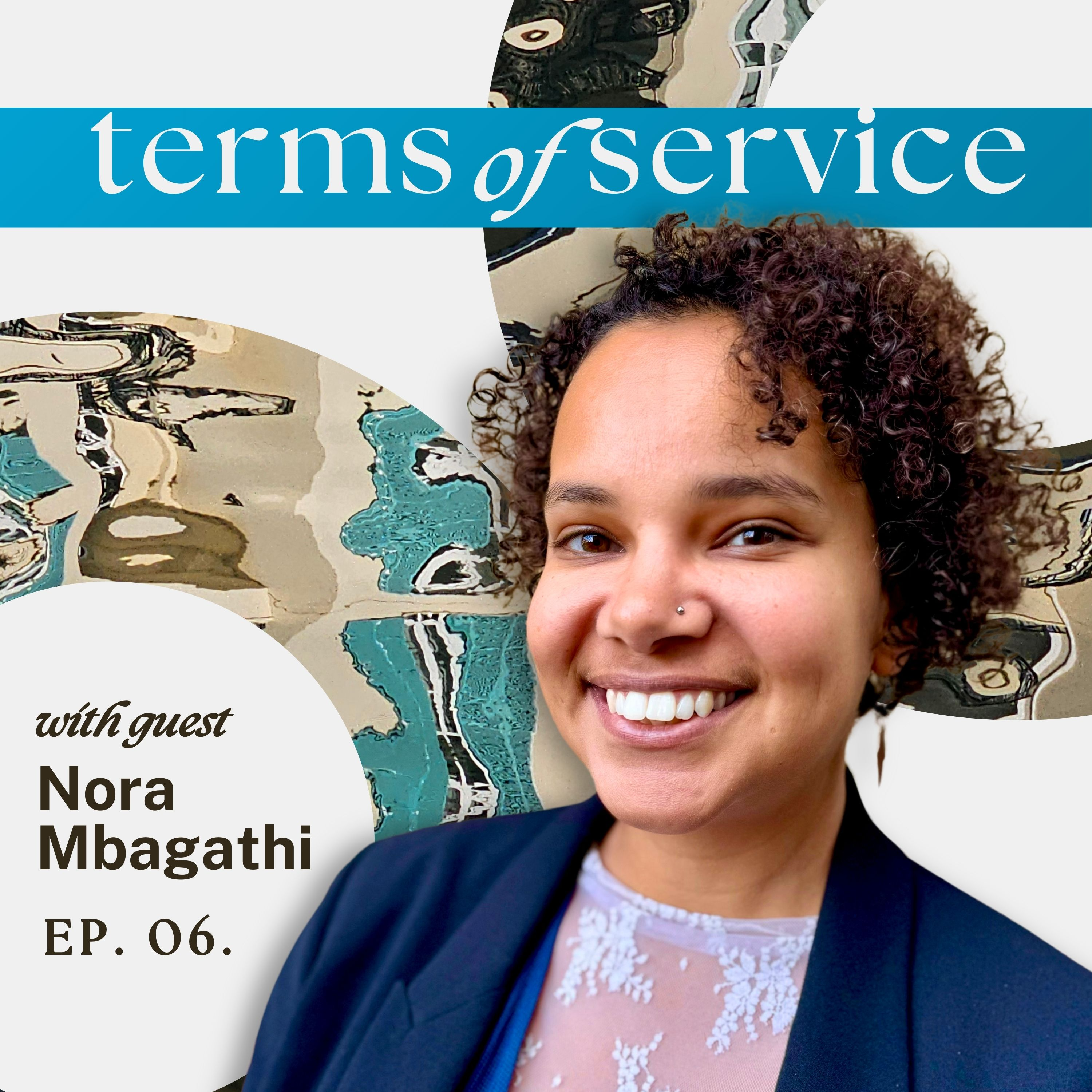
In this episode of Terms of Service, host Mary Camacho welcomes Nora Mbagathi, Executive Director of the Katiba Institute, for a deep dive into constitutional rights, technology governance, and power dynamics in Kenya and beyond. They explore how constitutions function as the "terms of service" of a society, shaping citizen rights and responsibilities. Nora highlights the risks posed by centralized digital identity systems, the role of transnational corporations in shaping the digital landscape, and the importance of grassroots activism in defending constitutional protections.Key TakeawaysConstitutions as Societal Contracts: Just like digital terms of service, constitutions define the relationship between citizens and power structures.Kenya’s 2010 Constitution: A strong rights-based document that emerged from political unrest, yet faces implementation challenges due to literacy gaps and power imbalances.Tech Governance in the Global South: Digital ID systems, centralized data collection, and lack of local tech solutions create unique vulnerabilities.Extractive Tech Models: Nairobi is often called "the Silicon Valley of Africa," but many systems prioritize corporate interests over community empowerment.Listening as a Solution: Instead of imposing external solutions, policymakers and tech companies need to engage meaningfully with affected communities.Topics Covered / Timestamped Sections00:49 - Introduction to Nora Mbagathi and her journey from human rights law to constitutional implementation.05:33 - The role of constitutions in protecting citizens and the Katiba Institute’s mission.07:46 - Kenya’s 2010 Constitution: A turning point in governance after election violence.12:31 - Constitutional literacy: Why some citizens benefit while others remain unaware of their rights.16:23 - The intersection of constitutional rights and technology governance.20:25 - The role of centralized digital ID systems and their risks.25:14 - The myth of Nairobi as the "Silicon Valley of Africa"—who really benefits?30:53 - The dangers of centralization vs. the potential of decentralized identity solutions.36:04 - The importance of designing technology with privacy, transparency, and equality at its core.40:25 - Building international coalitions to challenge corporate and governmental overreach.Guest Bio and LinksNora Mbagathi is the Executive Director at Katiba Institute in Kenya. She is a qualified lawyer in multiple jurisdictions and has worked in human rights campaigning and strategic litigation for over ten years. Nora has participated in cases relating to digital ID, platform accountability, criminal justice, and the right to nationality in Kenya. Prior to joining Katiba Institute, Nora was a senior lawyer with the Open Society Justice Initiative, based in London.Nora Mbagathi on X Katiba Institute WebsiteKatiba Institute on XResources MentionedKenya’s 2010 Constitution - A landmark rights-based document.GovZero - A movement in Taiwan promoting citizen-driven government accountability.Digital ID Systems - Centralized identity databases and their risks in Kenya.Further Reading / Related EpisodesEpisode 4: "Dynamics of Digital Spaces: Rethinking Democracy Online"Episode 5: "Regenerating Social Fabric & Innovating Governance"Call to ActionHow can we ensure technology serves citizens rather than undermining their rights? Listen to this thought-provoking conversation with Nora Mbagathi and join the discussion on tech governance, rights, and digital power structures.🎧 Listen now: Episode LinkCreditsHost: Mary CamachoGuest: Nora MbagathiProduced by Terms of Service PodcastSound Design: Arthur Vincent and Sonor LabCo-Producers: Nicole Klau Ibarra & Mary Camacho
NOW PLAYING
Constitutional Rights, Tech Governance, and Power Structures
No transcript for this episode yet
Similar Episodes
Mar 26, 2026 ·1m
Mar 19, 2026 ·34m
Feb 18, 2026 ·11m
Feb 11, 2026 ·45m