
EPISODE · Mar 16, 2026 · 9 MIN
Control of the Strait of Hormuz puts Iran in the driver’s seat
from The Turbulent World with James M. Dorsey · host James M. Dorsey
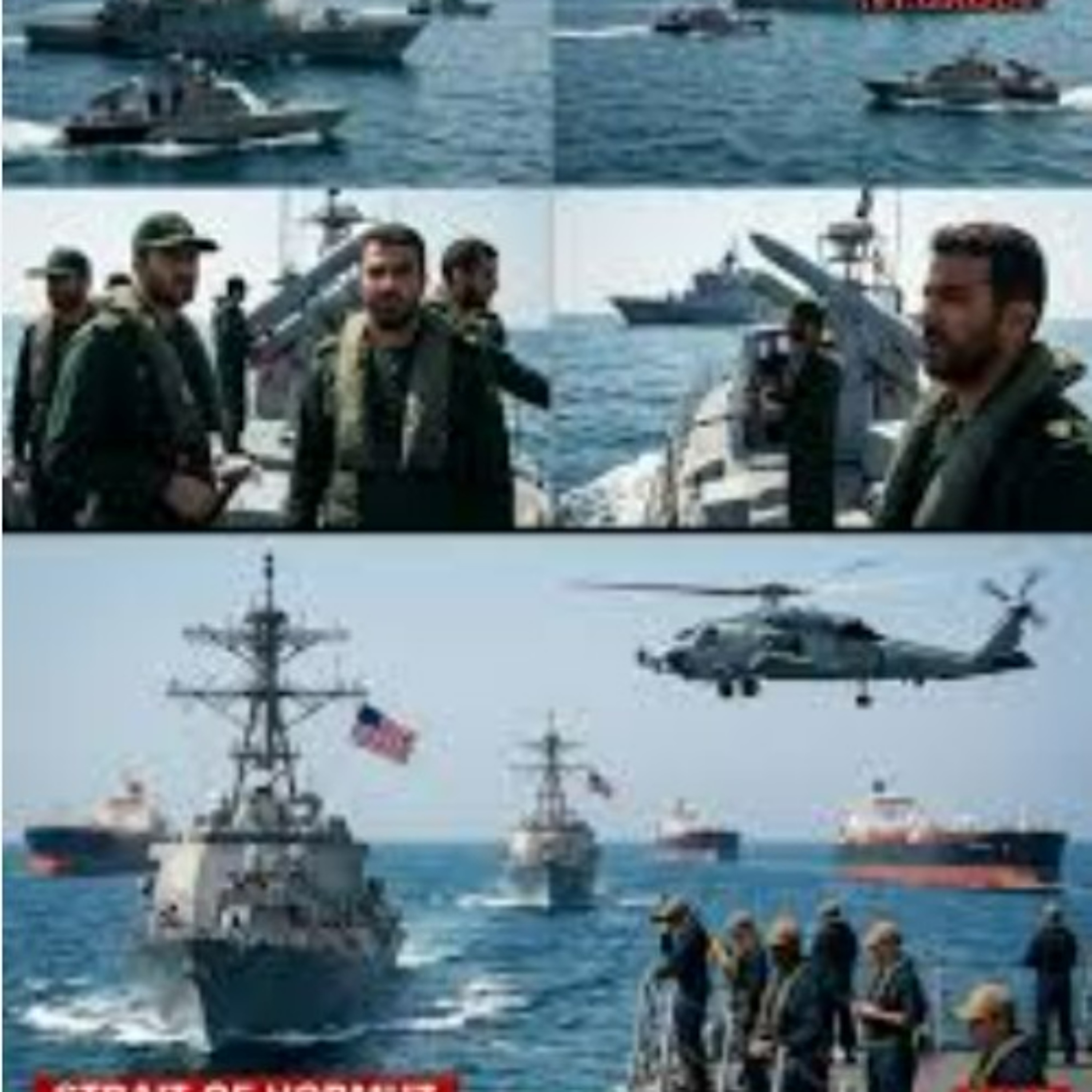
President Donald Trump would be well advised to learn the lessons of the last time the United States sought to protect Gulf shipping by escorting oil tankers in the region’s waters. In 1987, the United States escorted Kuwaiti vessels that the Gulf state had reflagged with the US Stars and Stripes to allow the US Navy to legally protect them during the Tanker War, a facet of the Iran-Iraq war in which both sides attacked shipping. I stood on the bridge of the USS Fox, a destroyer, accompanying the first reflagged vessel, the MV Bridgeton, one of the world’s largest tankers, which hit an underwater Iranian sea mine some 135 nautical miles north of the Strait of Hormuz. The explosion breached the outer hull of the Bridgeton and forward cargo tanks, spilling oily residue into the water. No one aboard the Bridgeton was hurt. The incident handed Iran a significant public relations victory on a silver platter. More importantly, it demonstrated that naval escorts provide at best limited protection unless the protecting power controls the waterway. It also showed that warships are potentially more vulnerable than the vessels they are protecting. The 413,000-deadweight-ton Bridgeton steamed under its own power to Dubai for repairs. Had the 8,000-ton Fox, rather than the Bridgeton, hit the mine, it would have likely suffered severe damage and potentially seen members of its crew killed or injured. The incident and the course of the current Iran war illustrate the pitfalls of any US attempt to wrest control of the strategic Strait of Hormuz from Iran.
Embed this episode
NOW PLAYING
Control of the Strait of Hormuz puts Iran in the driver’s seat
No transcript for this episode yet
Similar Episodes
No similar episodes found.
Similar Podcasts
No similar podcasts found.