
EPISODE · Mar 27, 2025 · 5 MIN
Controversial Project 2025: A Conservative Blueprint for Radical Government Overhaul
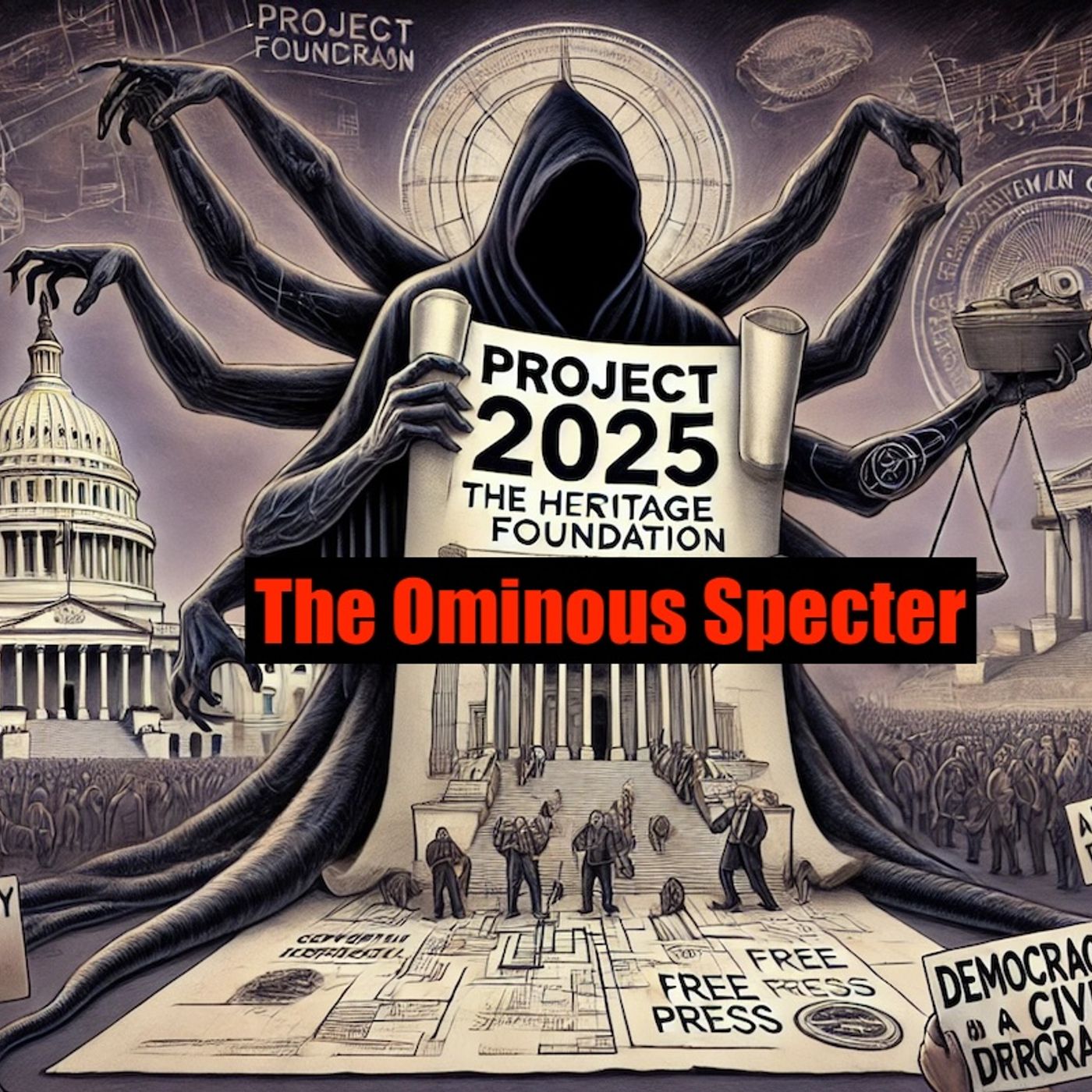
from Project 2025: The Ominous Specter · host Inception Point AI
As I delved into the intricacies of Project 2025, a comprehensive and contentious initiative spearheaded by the Heritage Foundation, I couldn't help but feel a sense of unease about the potential future of American governance. This project, often described as a blueprint for a conservative revolution, is more than just a policy guide; it's a roadmap for a radical overhaul of the federal government, crafted by over 400 scholars and backed by more than 100 conservative groups. At its core, Project 2025 is designed to equip the next Republican president with a detailed policy agenda, a database of vetted personnel, training programs for potential administration members, and a playbook of actions to be implemented within the first 180 days in office. The project's leadership, which includes former Trump administration officials like Paul Dans and Spencer Chretien, has drawn significant attention due to its ties to the Trump administration, despite Trump's public disavowal of the initiative[2][3]. One of the most alarming aspects of Project 2025 is its proposal to centralize power within the executive branch, potentially eroding the system of checks and balances that underpins American democracy. For instance, the project suggests reissuing Trump’s Schedule F executive order, which would allow the president to dismiss federal employees deemed 'non-performing' or insufficiently loyal. This measure targets the vast federal workforce of approximately 3.5 million individuals, the majority of whom are career civil servants essential for maintaining government continuity and integrity[1]. The implications of such a move are far-reaching. As Dr. Ray Serrano, Director of Research and Policy at LULAC, notes, "Project 2025 represents a substantial threat not only to individual rights but also to the very foundation of American democracy. By seeking to centralize power in the executive branch, undermine civil rights, and erode essential social programs, this radical agenda prioritizes control over fairness, enforcement over welfare, and exclusion over inclusion[1]." Another critical area where Project 2025 proposes significant changes is in the handling of immigrant children. The project advocates for transferring custody of these children from the Department of Health and Human Services (HHS) to the Department of Homeland Security (DHS), a move that would prioritize enforcement over child welfare. This shift could lead to the expansion of detention centers and worsen the safety and psychological well-being of vulnerable immigrant children[1]. The project also delves into reproductive rights, suggesting strategies to limit access to abortion. For example, a recent legal case in Texas, where a judge ruled to revoke the FDA's approval of mifepristone, serves as a precedent for how Project 2025’s goals could be realized through similar legal maneuvers. Although the Supreme Court dismissed the case on procedural grounds, it highlights the potential for future r This content was created in partnership and with the help of Artificial Intelligence AI.
Embed this episode
Ready to play
Controversial Project 2025: A Conservative Blueprint for Radical Government Overhaul
No transcript for this episode yet
Similar Episodes
No similar episodes found.
Similar Podcasts
No similar podcasts found.