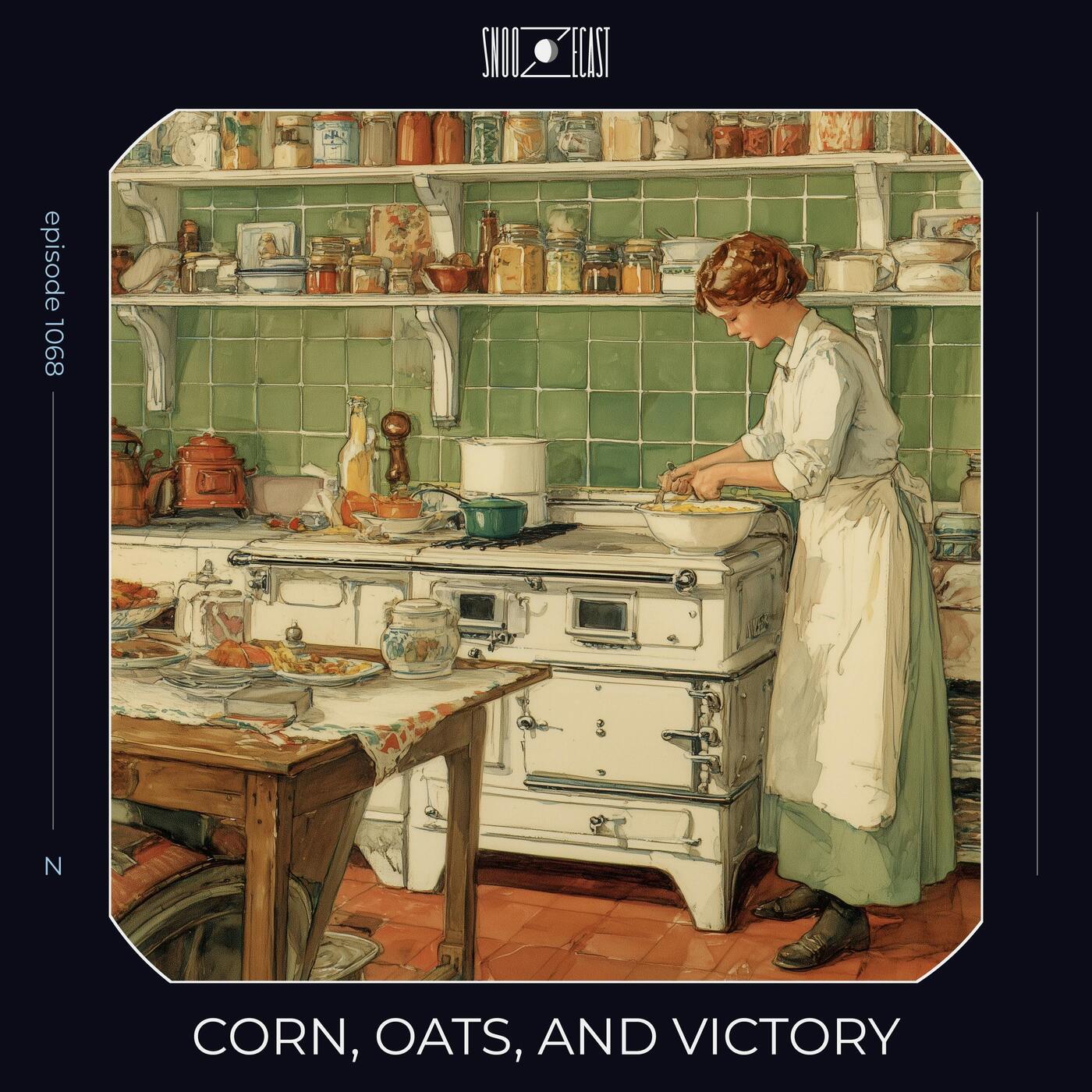
Corn, Oats, and Victory episode artwork

EPISODE · Sep 1, 2025 · 34 MIN

Corn, Oats, and Victory

from Snoozecast

Tonight, we’ll read about cooking alternatives to wheat, from the 1918 pamphlet “Foods That Will Win the War”. Although the United States did not have food rationing in World War I as it did in World War II, it did rely heavily on propaganda campaigns at the time to persuade people to curb their food consumption. Pamphlets like this one were part of a vast public education effort. Recipes were tailored to use corn, oats, rye, rice, and even potato flour in place of wheat, encouraging families to support soldiers overseas through their kitchen tables. These simple substitutions reflected a broader spirit of sacrifice and civic duty, where everyday meals became part of the national war effort. Herbert Hoover, who led the Food Administration before later becoming President, became known as “the Great Humanitarian” for organizing food relief. His “wheatless” and “meatless” campaigns not only shifted American eating habits, but also demonstrated how propaganda and practical instruction could merge to shape daily life during wartime. — read by 'N' — Sign up for Snoozecast+ to get expanded, ad-free access by going to snoozecast.com/plus! Learn more about your ad choices. Visit megaphone.fm/adchoicesSee Privacy Policy at https://art19.com/privacy and California Privacy Notice at https://art19.com/privacy#do-not-sell-my-info.

Episode metadata supplied by the publisher feed · Published Sep 1, 2025

Tonight, we’ll read about cooking alternatives to wheat, from the 1918 pamphlet “Foods That Will Win the War”. Although the United States did not have food rationing in World War I as it did in World War II, it did rely heavily on propaganda campaigns at the time to persuade people to curb their food consumption. Pamphlets like this one were part of a vast public education effort. Recipes were tailored to use corn, oats, rye, rice, and even potato flour in place of wheat, encouraging families to support soldiers overseas through their kitchen tables. These simple substitutions reflected a broader spirit of sacrifice and civic duty, where everyday meals became part of the national war effort. Herbert Hoover, who led the Food Administration before later becoming President, became known as “the Great Humanitarian” for organizing food relief. His “wheatless” and “meatless” campaigns not only shifted American eating habits, but also demonstrated how propaganda and practical instruction could merge to shape daily life during wartime. — read by 'N' — Sign up for Snoozecast+ to get expanded, ad-free access by going to snoozecast.com/plus! Learn more about your ad choices. Visit megaphone.fm/adchoices See Privacy Policy at https://art19.com/privacy and California Privacy Notice at https://art19.com/privacy#do-not-sell-my-info.

PodParley-generated summary based on available episode metadata and transcript content.

NOW PLAYING

Corn, Oats, and Victory

0:00 34:00

No transcript for this episode yet

We transcribe on demand. Request one and we'll notify you when it's ready — usually under 10 minutes.

Petit Trianon pt. 2

Oct 27, 2025 ·18m

Petit Trianon pt. 1

Oct 20, 2025 ·28m

Gogol's Souls

Oct 16, 2025 ·7m

The Castle of Otranto

Oct 15, 2025 ·33m

The Willows

Oct 13, 2025 ·56m

Phantasmagoria

Oct 8, 2025 ·26m

Snoozecast Presents: Pride and Prejudice Snoozecast Welcome to Snoozecast's ongoing series from the classic book “Pride and Prejudice ”. It is read in a manner to help you fall asleep by the end of the episode. We will read a brief recap of the previous episode at the start of the next episode.Be sure to check out our primary podcast feed for Snoozecast, where we release three episodes per week in a variety of genres.Learn more about Snoozecast+, our premium listening subscription that provides ad-free listening to our expanded catalog, including unlocking all of our completed standalone sleep story series. Go to snoozecast.com/plus Snoozecast Presents: Little Women Snoozecast Welcome to Snoozecast's complete series from the classic children's book “Little Women”. It is read in a manner to help you fall asleep by the end of the episode. We will read a brief recap of the previous episode at the start of the next episode.Be sure to check out our primary podcast feed for Snoozecast, where we release three episodes per week in a variety of genres.Learn more about Snoozecast+, our premium listening subscription that provides ad-free listening to our expanded catalog, including unlocking all of our completed standalone sleep story series. Go to snoozecast.com/plus Snoozecast Presents: Spooky Stories Snoozecast Welcome to Snoozecast's ongoing collection of classic horror excerpts and ghost stories. It is read in a manner to help you fall asleep by the end of the episode.Be sure to check out our primary podcast feed for Snoozecast, where we release three episodes per week in a variety of genres.Learn more about Snoozecast+, our premium listening subscription that provides ad-free listening to our expanded catalog, including unlocking all of our completed standalone sleep story series. Go to snoozecast.com/plus Snoozecast Presents: Anne of Green Gables Snoozecast Welcome to Snoozecast's ongoing series from the classic children's book “Anne of Green Gables”. It is read in a manner to help you fall asleep by the end of the episode. We will read a brief recap of the previous episode at the start of the next episode.Be sure to check out our primary podcast feed for Snoozecast, where we release three episodes per week in a variety of genres.Learn more about Snoozecast+, our premium listening subscription that provides ad-free listening to our expanded catalog, including unlocking all of our completed standalone sleep story series. Go to snoozecast.com/plus

Frequently Asked Questions

How long is this episode of Snoozecast?

This episode is 34 minutes long.

When was this Snoozecast episode published?

This episode was published on September 1, 2025.

What is this episode about?

Tonight, we’ll read about cooking alternatives to wheat, from the 1918 pamphlet “Foods That Will Win the War”. Although the United States did not have food rationing in World War I as it did in World War II, it did rely heavily on propaganda...

Can I download this Snoozecast episode?

Yes, you can download this episode by clicking the download button on the episode player, or subscribe to the podcast in your preferred podcast app for automatic downloads.
URL copied to clipboard!