Cornered Republican caught between Trump and exploding voter rage
from Systemic Error Podcast Hosted by Paulo Santos
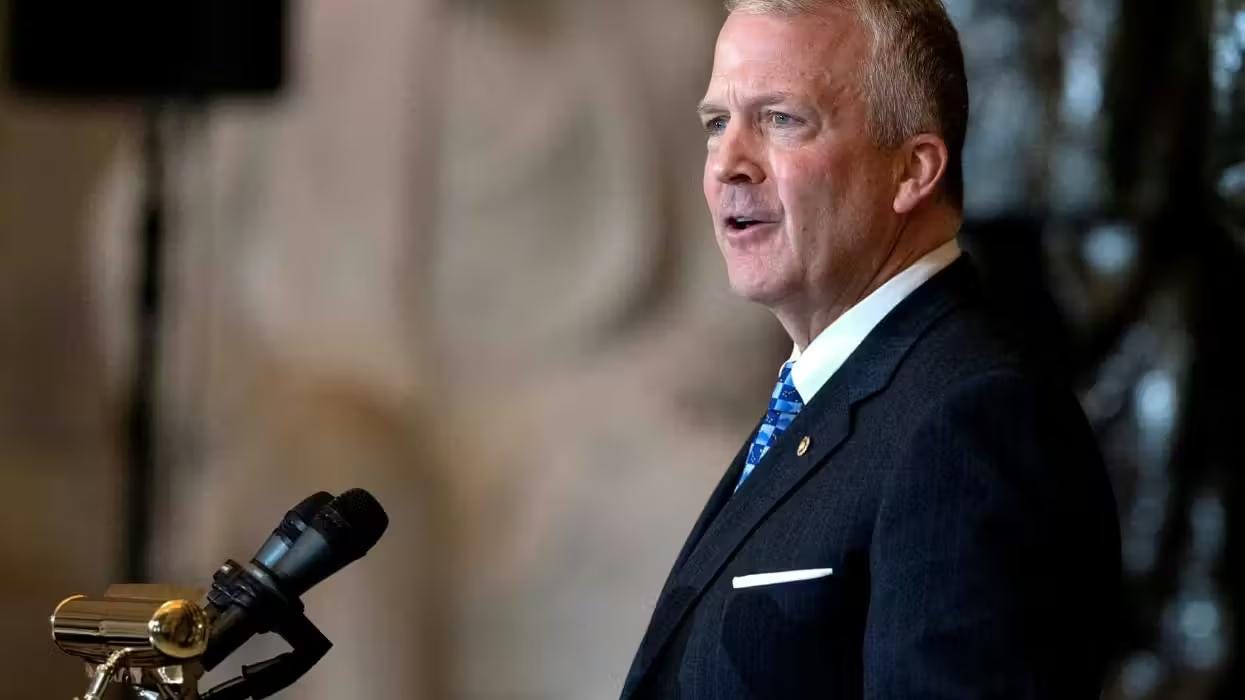
Greg Nash/Pool via REUTERS Dan Sullivan’s Tariffs, Alaska’s Bill The Price of Loyalty Alaska’s Senate race is close because an incumbent Republican supported Donald Trump’s tariffs in Washington while avoiding the subject at home. Dan Sullivan’s problem is not that he has been “caught between” a president and irritated voters. It is that he backed an economic policy whose costs his constituents can see at the checkout counter. Washington Made the Choice Institutional power rests with Trump, who imposed the tariffs, and with congressional allies such as Sullivan, who supplied political support instead of resistance. Alaska consumers did not create this conflict. Canadian exporters did not initiate it. The resulting volatility is the consequence of decisions made by officials powerful enough to choose differently. Help fuel the work. Independent analysis doesn’t fund itself:☕ Buy us a coffee That distinction matters because political coverage often turns accountability into predicament. Sullivan is described as “navigating” competing pressures, as though he encountered the tariffs like bad weather. He helped legitimize the policy. Now he is navigating its consequences. Silence Is a Campaign Strategy Sullivan’s reticence in Alaska is not evidence of confusion. It is a calculated division between governing and campaigning: support Trump where Republican loyalty is enforced, then minimize the policy where voters absorb the damage. Even Sullivan’s brother, manufacturing executive Frank Sullivan, points to the volatility frustrating businesses. Greg Wolf of the Alaska International Business Center states the result more plainly: commerce and consumption have become more expensive. The senator’s silence does not make those costs ambiguous. It merely shows that he considers candor electorally dangerous. Scapegoating as an Exit Ramp Unable to defend higher prices, Sullivan calls Mary Peltola a “lower 48 liberal.” The insult is not an economic argument. It redirects attention from a policy Sullivan supported toward the supposed cultural foreignness of his opponent. That move is especially cynical in a state structurally exposed to tariffs. Alaska imports most of its food and consumer goods from elsewhere and maintains close commercial ties with Canada, now subject to 50 percent U.S. tariffs and Canadian retaliation. Sullivan’s answer to a material problem is identity-based caricature: blame the outsider so voters stop examining the incumbent’s record. Democrats calling the policy “Dan Sullivan’s tariffs” are doing something political coverage too often avoids. They are attaching a politician’s name to the consequences of his choices. The Manufactured Predicament The Times framing, as presented here, is too forgiving. Sullivan is not merely trapped between Trump and the electorate. He chose alignment with Trump, and the electorate is responding to the result. Describing that sequence as a difficult balancing act elevates the officeholder’s campaign discomfort above the public’s economic burden. This is a familiar pattern in authoritarian party politics: loyalty flows upward, consequences flow downward, and responsibility is blurred once those consequences become unpopular. Politicians endorse the leader’s program when obedience carries rewards, then present themselves as helpless passengers when the policy reaches home. Power Without Ownership The larger story is not that a Republican may lose in a Republican state. It is that political power increasingly operates through calculated disavowal. Officials help enact or normalize damaging policies, retreat into silence when the damage becomes visible, and substitute cultural antagonism for an accounting of results. Alaskans are paying more because powerful people made specific choices. Sullivan’s vulnerability begins with those choices—not with Democratic messaging, voter frustration, or an unfortunate collision between Washington and home. The systemic error is a political culture that treats the suffering caused by power as news, while treating the people who exercised that power as victims of circumstance. Thanks to Alter Net Source: Cornered Republican caught between Trump and exploding voter rage Systemic Error is a reader-supported publication. To receive new posts and support my work, consider becoming a free or paid subscriber. We warned them.We told them.We shouted from the rooftops.We plead.We begged.They didn’t listen.Now, we all will suffer.Y’all know what to do, right?VOTE BLUE! 💙Vote as if your life — nay, our country — depend on it.Because, this time, and every time, it does. This is a public episode. If you would like to discuss this with other subscribers or get access to bonus episodes, visit paulstsmith.substack.com
Embed this episode
No transcript yet.