
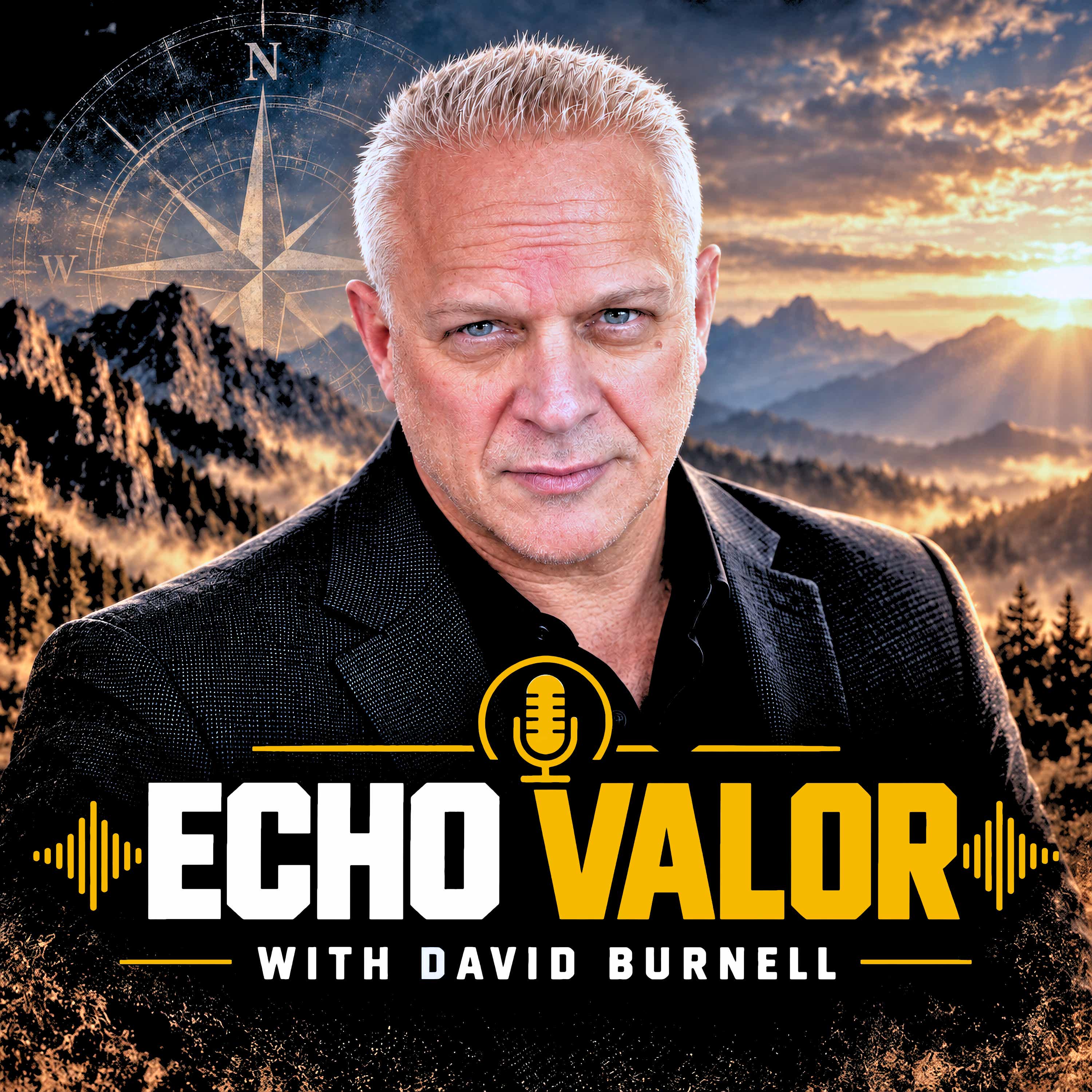
EPISODE · Mar 9, 2026 · 13 MIN
Cortisol and Chaos: Understanding the Stress Response and Learning to Perform Under Pressure
from Echo Valor Podcast with David Burnell · host David Burnell
When chaos erupts, the human body reacts before the conscious mind can fully understand what is happening. Heart rate increases, adrenaline surges, attention narrows, and clear thinking can become a matter of survival. Why do some people freeze when confronted with danger while others seem to become remarkably calm? What happens inside the human body during sudden stress, and can training actually prepare us to function more effectively when everything goes wrong? Staying calm under pressure isn't simply a personality trait. We can develop it through understanding, preparation, and experience. In this episode of Echo Valor with David Burnell, David joins his longtime friend Jeffrey Denning, a veteran, former law enforcement officer, federal agent, and trauma-informed mental health professional, for a practical discussion about the science of stress and the realities of human performance under pressure. Drawing on their experiences in military operations, protective services, tactical training, crisis response, and realistic force-on-force instruction, David and Jeff explore what happens when the human nervous system encounters sudden danger. Their conversation examines the roles of cortisol, adrenaline, and the body's natural survival responses, including fight, flight, freeze, and tonic immobility. These responses are not necessarily signs of weakness. They are biological mechanisms that help human beings respond to perceived threats. But when those responses become overwhelming, they can interfere with judgment, decision-making, coordination, and the ability to act effectively. The challenge is not eliminating fear. It is learning how to function when fear is present. David and Jeff discuss the value of stress inoculation, realistic training, repeated exposure to controlled challenges, and developing the mental discipline required to make decisions when circumstances are unpredictable. They also explore why some highly trained individuals appear to become calmer as situations grow more dangerous. Experience, preparation, and familiarity with stressful environments can help reduce uncertainty and support effective performance. But even experienced professionals remain subject to the physical and psychological effects of extreme stress. Training does not make us immune to fear. It helps us recognize and manage our responses so we can make better decisions under pressure. The conversation extends beyond military and tactical environments to address the practical concerns of ordinary people who may unexpectedly encounter emergencies, accidents, violent confrontations, or other threatening situations. David explains why civilians can benefit from understanding the stress response without becoming consumed by fear or constantly anticipating danger. Preparedness is not about living in a heightened state of alarm. It is about building awareness, sound judgment, confidence, and practical skills before you need them. David and Jeff also reflect on the importance of faith, discipline, personal responsibility, and mindset in developing the resilience required to face uncertain circumstances. This episode is especially relevant to military veterans, law enforcement officers, first responders, self-defense instructors, protective professionals, and anyone interested in understanding human behavior during emergencies. When circumstances become chaotic, we cannot always control what happens around us. But through preparation and experience, we can improve how we respond. The goal is not to become fearless. It is to become capable. To recognize what is happening inside our minds and bodies, maintain perspective, and make deliberate decisions when those decisions matter most. Because when chaos arrives, the time to begin preparing has already passed. Stay aware. Stay prepared. Stay quietly ready. Honor. Courage. Purpose. Support the show For more information, please visit www.echovalor.com
Embed this episode
What this episode covers
When chaos erupts, the human body reacts before the conscious mind can fully understand what is happening. Heart rate increases, adrenaline surges, attention narrows, and clear thinking can become a matter of survival. Why do some people freeze when confronted with danger while others seem to become remarkably calm? What happens inside the human body during sudden stress, and can training actually prepare us to function more effectively when everything goes wrong? Staying calm under pressure ...
Ready to play
Cortisol and Chaos: Understanding the Stress Response and Learning to Perform Under Pressure
No transcript for this episode yet
Similar Episodes
No similar episodes found.