Skip to content
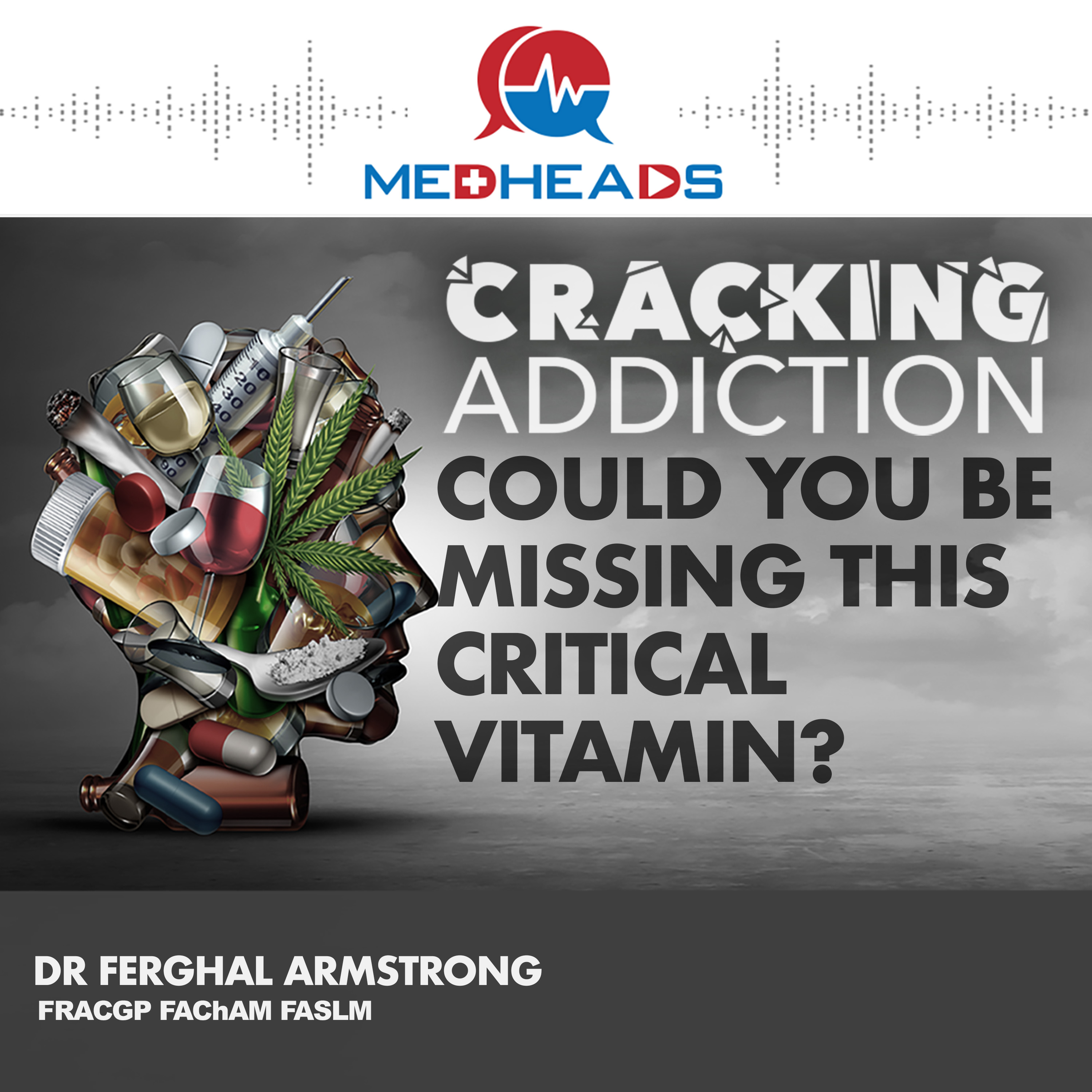
Could You Be Missing This Critical Vitamin? episode artwork

May 22, 2024 23 min

Could You Be Missing This Critical Vitamin?

from Cracking Addiction Hosted by Meducate

In this episode, Dr Ferghal Armstrong and Dr Richard Bradlow unpack the complex relationship between alcohol, thiamine deficiency, and the severe neurological condition Wernicke’s encephalopathy. Ferghal opens by questioning long-held beliefs about alcohol’s direct effects on thiamine absorption, while Richard provides a contextual understanding of the symptomatic manifestations. The discussion touches on the practicalities of diagnosing and treating thiamine deficiency, focusing particularly on clinical scenarios where immediate action can prevent irreversible damage. **Learning Outcomes** 1. **Understanding Thiamine Deficiency and Alcohol Use** - Thiamine deficiency is commonly seen in individuals with alcohol use disorders due to poor diet, liver damage, and compromised gut integrity. Ferghal emphasises that alcohol does not directly reduce thiamine but affects its absorption and storage indirectly. - Recognise the critical symptoms of thiamine deficiency: Ataxia, ophthalmoplegia, and confusion. Richard shares that only 10% of individuals present with the classic triad, stressing the need for a low threshold in administering thiamine. - Ferghal reveals that thiamine is stored in the liver, with approximately 20-30 milligrams available. Without replenishment, these levels deplete quickly, making regular intake essential. 2. **Diagnosis and Management** - Learn to assess risk factors beyond alcohol consumption. Richard suggests evaluating diet, liver health, and any conditions that hamper gut absorption. - Understand the importance of high-dose, parenteral thiamine administration in suspected cases of Wernicke’s encephalopathy. This prevents irreversible neuronal damage, particularly in the cerebellum and midbrain. - Find out why rapid thiamine delivery is critical. Ferghal explains that alcohol withdrawal demands a higher energy output, which depletes thiamine stores faster, precipitating encephalopathy. 3. **Preventative Measures and Harm Reduction** - Recognise the importance of thiamine supplements for those engaging in hazardous drinking, even if not experiencing withdrawal. Richard advocates for over-the-counter vitamin B1 tablets, taken multiple times daily for optimal absorption. - Explore how diet can play a crucial role in preventing thiamine deficiency. Liver, cereals, and fortified foods are excellent sources of thiamine, as Ferghal points out. - Koraskoff’s syndrome is an irreversible consequence of untreated thiamine deficiency. It leads to significant memory deficits and an ataxic gait, which underscores the need for timely intervention. **Actionable Takeaways** 1. **Routine Screening for Thiamine Deficiency** - Incorporate routine screening for thiamine deficiency in patients with alcohol use disorder. Ferghal and Richard highlight this as a vital practice to prevent conditions like Wernicke’s encephalopathy and Korsakoff syndrome. - Develop a checklist for evaluating risk factors, including dietary patterns, liver function, and gut health issues. - Push for early intervention even with subclinical symptoms. Ferghal stresses the colossal benefits of early detection and treatment. 2. **Educate on Thiamine Supplementation** - Ensure patients receive clear instructions on thiamine supplementation. Richard recommends oral vitamin B1, taken in divided doses throughout the day. - Cultural and dietary recommendations should include foods rich in thiamine, like liver and fortified cereals. - Advocate for harm reduction strategies that include vitamin supplements. Ferghal points out this can significantly reduce the risk of severe neurological...

Episode details come from the podcast's RSS feed.

Embed this episode

Ready to play

Could You Be Missing This Critical Vitamin?

0:00 23:37

No transcript yet.

Requests help us decide what to transcribe next.

Wired BioHealth wiredbiohealth Welcome to the Wired BioHealth™ Podcast, where we delve into the fascinating world of mental health complexities beyond addiction. This groundbreaking podcast marks the expansion of our brand’s mission to optimize mental health on a broader spectrum.Hosted by experts in the field, the Wired BioHealth™ Podcast is designed for individuals seeking an objective means to enhance their mental well-being. Join us as we explore the measurable physiological changes that occur on the path to addiction and discover how understanding this spectrum can transform lives.Our commitment is to provide you with the most objective, comprehensive, and accessible approach to optimizing the biological aspect of mental health. To enhance your understanding further, our Wired BioHealth™ consultants are available to answer your questions and offer virtual consultations at no charge.Tune in to the Wired BioHealth™ Podcast for thought-provoking discussions, expert insights, and actionable advice to help you on RawVeganBarbie Barbara Whitney Spirituality, food addiction, stuff A Beautiful Mind Dr Selena Fisk What image comes to mind when you think about someone living with neuro distinction? Is it that it is an illness that can be cured? or that neurodistinct people struggle to hold down a job? Or that people identifying with the same 'labels' require the same supports? Even though we’re hearing more and more about neuro distinction, many ‘go-to’ stereotypes remain, which aren’t super helpful if you’ve just been diagnosed or are wondering how to help someone who has. A Beautiful Mind takes you way beyond the stereotypes and into the minds and stories of people living with neurodistinctions. Data storyteller Dr Selena Fisk meets people with a diagnosis, a mental health condition or an addiction who explain what it’s like to live with these labels, and share the path they're on as they navigate workplaces and communities who struggle to know how to best support them. These are powerful, hard hitting, and real stories, giving anyone who listens deep insight, empathy and a beautiful reminder o Seeds of Change Mark A Turnipseed Welcome to the Seeds of Change Podcast, where transformation begins with the smallest yet most powerful steps. Hosted by Mark A. Turnipseed—#1 Amazon best-selling author, male model, wellness coach, and co-founder of Halo42 Skincare—this podcast is a testament to the profound capacity for change within each of us.Just a few years ago, Mark found himself at rock bottom, battling heroin addiction, suicidal ideation, and severe health challenges like COPD and prediabetes. Weighing over 70 pounds more than he does today, he made one bold decision that changed everything: he began training for an Ironman triathlon. Through unwavering perseverance, faith, and a commitment to wellness, Mark not only completed the Ironman but also completely transformed his life.Now, as an entrepreneur, researcher, and wellness expert, Mark is passionate about sharing the insights and tools that catalyzed his recovery and success through brands and dialogue. In Seeds of Change, Mark dives deep into his journ

Frequently asked questions

How long is this episode of Cracking Addiction?

This episode is 23 minutes long.

When was this Cracking Addiction episode published?

This episode was published on May 22, 2024.

Can I download this Cracking Addiction episode?

Yes. Use the download control on the episode player to save the publisher-provided media file.