
EPISODE · Jan 19, 2026 · 12 MIN
Course 18 - Evading IDS Firewalls and Honeypots | Episode 6: Mastering Malware Evasion: Stealth, Obfuscation, and Anti-Analysis
from CyberCode Academy · host CyberCode Academy
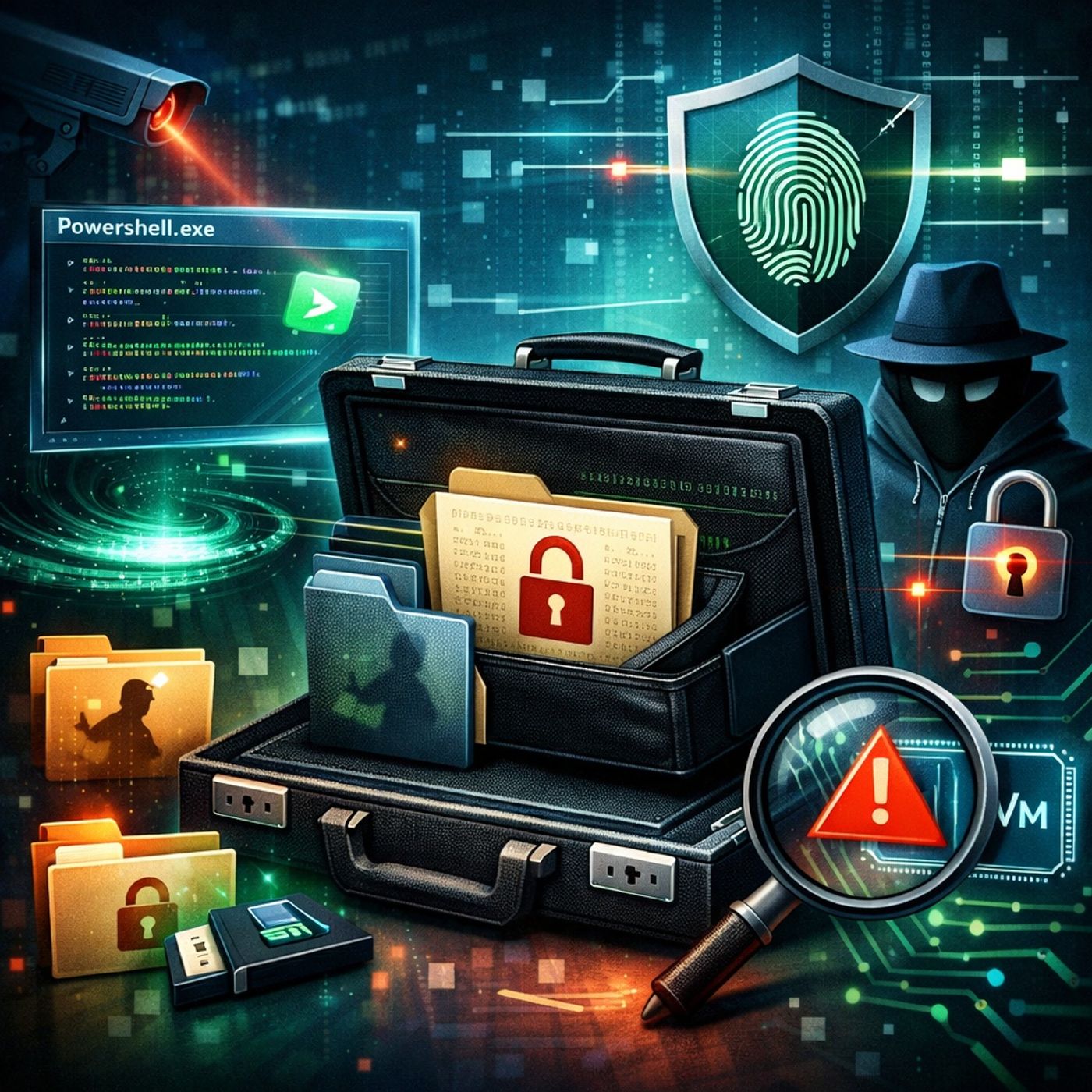
In this lesson, you’ll learn about:Evading Initial Detection:Payload Obfuscation: Encoding payloads multiple times to cloak them from IDS detection.Benign Carrier Injection: Hiding malicious code inside legitimate scripts (e.g., Python Base64 payloads).Custom Packaging: Using packers to compress or encrypt malware, creating unique fingerprints that bypass signature-based detection.Post-Penetration Stealth:Fileless Attacks: Running scripts directly in memory via tools like PowerShell, avoiding disk storage.Folder Cloaking: Hiding directories using CLSID entries and desktop.ini files.Alternate Data Streams (ADS): Embedding executable code in hidden NTFS streams, keeping file sizes unchanged and avoiding standard file scans.Anti-Analysis and Oversight Detection:Environmental Checks: Detecting virtual machines or sandbox environments via CPU, registry, and network adapter inspection.Evasive Countermeasures: Terminating, altering behavior, or sleeping to avoid detection during analysis.Analogy for Understanding:Think of a spy infiltrating a high-security facility:Obfuscation: Wearing a disguise to bypass guards.Fileless attacks: Building tools inside the facility without carrying weapons.ADS and cloaking: Hiding secret documents in a hidden compartment of a normal briefcase.Anti-analysis: Acting like a janitor when noticing surveillance to avoid suspicion.You can listen and download our episodes for free on more than 10 different platforms:https://linktr.ee/cybercode_academy
Embed this episode
Ready to play
Course 18 - Evading IDS Firewalls and Honeypots | Episode 6: Mastering Malware Evasion: Stealth, Obfuscation, and Anti-Analysis
No transcript for this episode yet
Similar Episodes
No similar episodes found.