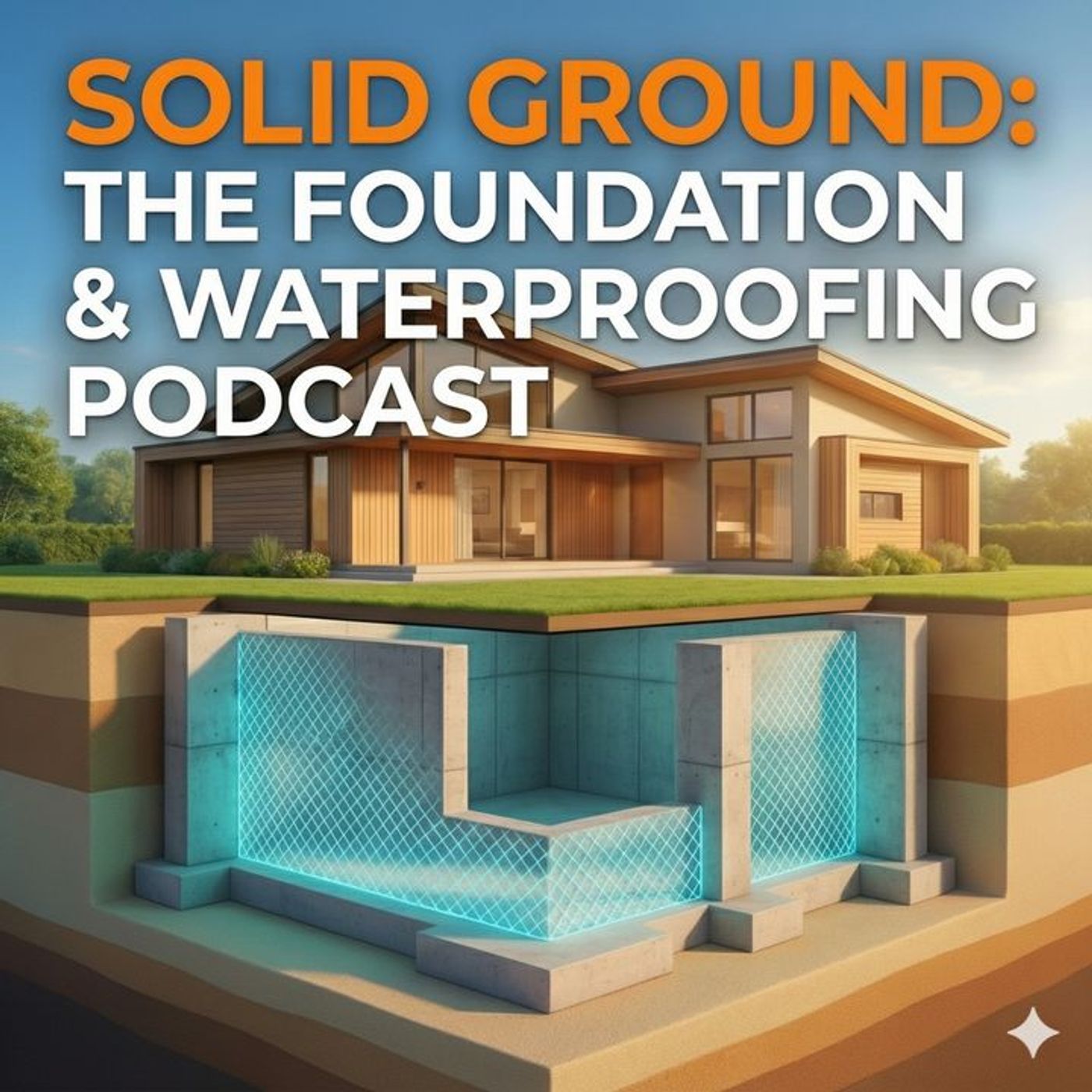
Cracked Concrete Foundation Repair: Complete Guide 2026
from Solid Ground: Foundation & Waterproofing Hosted by Terri Ferguson
Differential Settlement, Concrete Shifting, and Structural Resiliency vs. DIY Risks The concrete slab and poured walls beneath your home do not rest on a static bed of stone. In Colorado’s mountain corridors and high deserts, your foundation sits on a dynamic system of expanding clays and aggressive freeze-thaw cycles. In this structural-first episode of Solid Ground, the engineering and foundation mitigation experts at Aspen Foundation Repairs dive deep into the science behind concrete fractures.Host and the Aspen team strip away the generic guesswork to help homeowners categorize cracks by geometry and underlying cause. We analyze the differences between minor curing lines, stress-induced vertical fissures, and the severe, lateral-pressure-driven horizontal breaks that indicate a wall is under immense structural load. Learn how specialized solutions like multi-stage epoxy welds, flexible polyurethane plugs, and low-profile aerospace carbon fiber wraps can secure a home's equity and safely re-establish stability. Chapter Sections [00:00] – The Living Soil: Confronting Western Colorado’s expansive clay realities. [01:45] – The Crack Spectrum: Differentiating harmless shrinkage lines from severe structural failures. [03:20] – Horizontal Fractures: How lateral soil forces cause foundation wall bowing. [05:05] – Stair-Step Patterns: Identifying differential settlement across masonry mortar joints. [07:00] – Hydrostatic Pressure Amplifiers: The impact of failed gutters, downspouts, and pooling surface water. [08:45] – The Injection Forensic: Comparing the structural rigidity of epoxy with the waterproof flexibility of polyurethane. [10:30] – Space-Age Reinforcement: Deploying ultra-thin carbon fiber straps to halt bowing concrete. [12:00] – The DIY Danger Zone: The structural risks and hidden liabilities of unverified self-repair. [13:45] – The Investment Breakdown: Balancing immediate upfront mitigation pricing against a home's resale value. [15:15] – Closing: Developing a year-round, seasonal maintenance plan with Aspen Foundation Repairs. Key Episode Highlights Reading the Direction of Failure: The geometry of a foundation crack tells a story. While hairline vertical or diagonal fissures are common signs of early concrete settlement, a continuous horizontal crack means the surrounding soil is exerting immense lateral pressure, causing the wall to bow inward. The Structural Resin Weld: Discover why a high-viscosity structural epoxy injection is more than a simple cosmetic patch. When forced deep into dry, resting foundation cracks, the compound cures into a solid structure that binds the concrete with a tensile strength exceeding that of the original wall. Polyurethane Foam Sub-Surface Shields: For cracks dealing with active moisture, rigid fillers fail. Flexible polyurethane foam is a powerful alternative for wet conditions, as it expands upon contact with groundwater to fill deep voids and create a long-lasting waterproof seal. Aerospace-Grade Wall Anchoring: Learn how carbon fiber is transforming foundation work. For walls beginning to bow due to clay expansion, bonding low-profile carbon fiber reinforcing straps directly to the masonry provides immense tensile strength, completely locking the wall in place. The Curing Time Delay Ticking Bomb: Construction flaws—such as improper concrete mixing, rushed curing times, or sparse internal rebar placement—rarely cause immediate damage. These hidden weak spots can linger undetected for years before manifesting as structural cracks. Colorado Foundation Repair Economics (2026 Analytics) The Repair Spectrum: In 2026, minor, non-structural cosmetic patches utilizing quick-setting hydraulic cement average $300 to $800. Conversely, structural interventions using carbon fiber reinforcing straps to stabilize a shifting foundation range from $4,000 to $10,000, depending on the number of fields required. The Cost of Delayed Mitigation: Disregarding active foundational shifting or missing structural cracks allows minor defects to compound, frequently leading to required hydraulic push piering, joist reconstruction, or comprehensive foundation replacement projects that can easily exceed $25,000. Resale Protection Value: Properties on the Western Slope featuring documented, fully certified, and transferable professional foundation repair records protect their market equity and avoid the typical 15% to 25% price drops that structural inspection defects cause during home sales. Protect Your Foundation with Aspen Foundation Repairs Western Colorado's Trusted Structural Authorities: Centered at 732 Buckhorn Dr Unit B, Rifle, CO, Aspen Foundation Repairs delivers over 20 years of combined geotechnical expertise across Grand Junction, Montrose, Aspen, Glenwood Springs, and the Roaring Fork Valley. Patented Foundation Supportworks Dealer: As the region’s authorized specialist network installer, our crews handle structural repair, foundation replacement, and crawl space encapsulation using certified, long-lasting products. Book Your Free On-Site Structural Inspection: Don't allow minor hairline cracks or musty basement corners to compromise your property's stability. Visit AspenFoundationRepairs.com or call our diagnostic division at (970) 235-0092 to request your expert on-site structural audit today. Click here to read more To learn more about how to solve your foundation and waterproofing needs, or for custom quotes, head to Aspen Foundation and Repairs at www.aspenfoundationrepairs.com
Embed this episode
No transcript yet.