
EPISODE · Apr 17, 2024 · 15 MIN
Crafting Accessible and Inclusive Medical Content
from Write Medicine
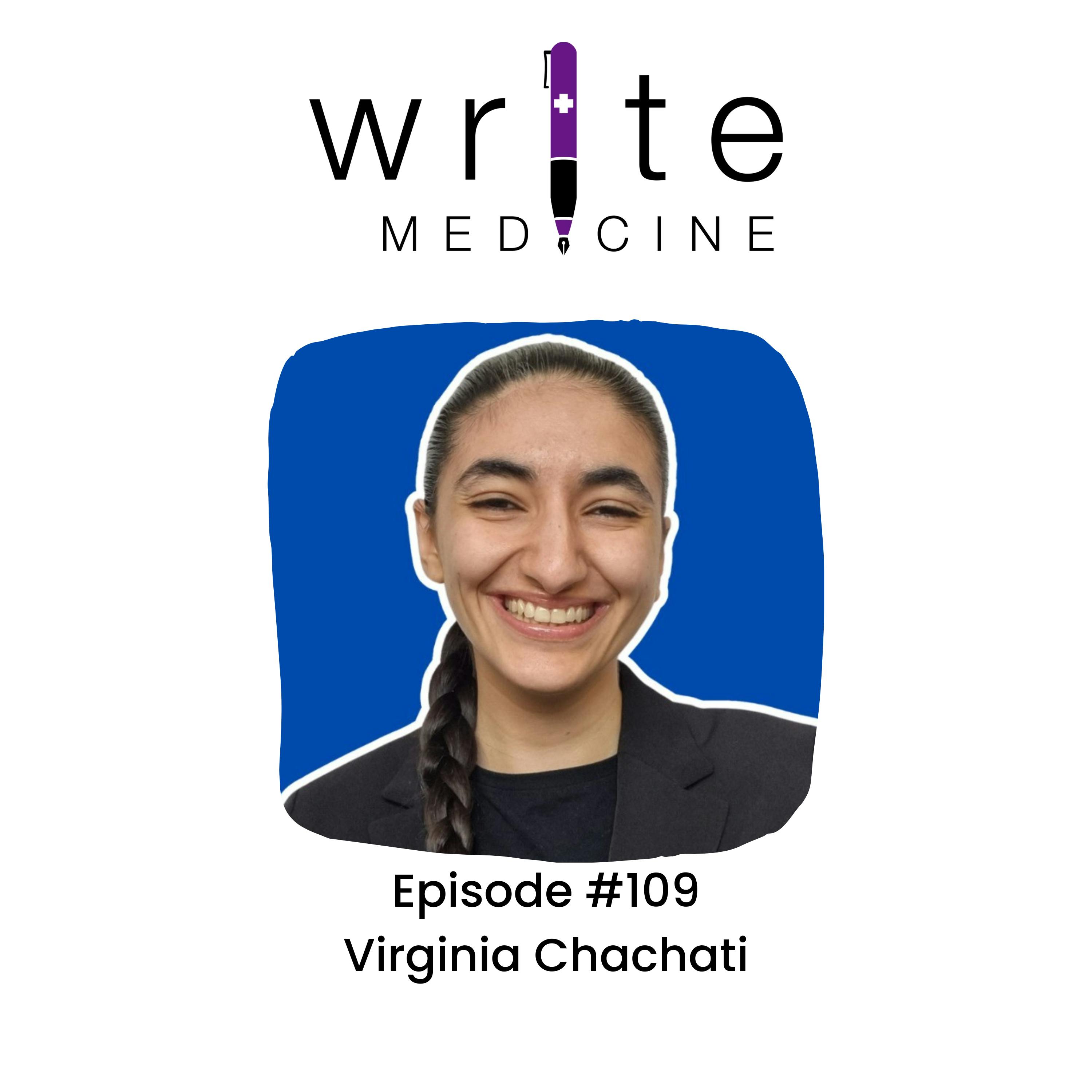
Are you unknowingly excluding audiences with your medical writing and CME content? As a CME professional, ensuring that your content reaches and resonates with diverse audiences is crucial. In a field that shapes the clinical practice and well-being of so many, accuracy and accessibility are non-negotiable. Virginia Chachati, a pharmacist turned medical writer, joins me to explore strategies and best practices for crafting inclusive, accessible content that empowers readers and improves health outcomes. In EP 109, you’ll:1. Learn how to optimize your content for people with varying levels of health literacy and digital skills2. Discover tools and resources to help you create content that meets accessibility standards3. Understand the impact of inclusive writing on audience engagement and health equityDon't miss this opportunity to elevate your inclusive content creation skills.Takeaways3 Steps you can take toward accessibility and inclusivity. 1. Familiarize yourself with health literacy principles and accessibility guidelines, such as the Web Content Accessibility Guidelines (WCAG) and the Patient Information Forum's PIF TICK standard.2. Audit your existing content for accessibility and inclusivity, identifying areas for improvement and implementing best practices.3. Continuously educate yourself on inclusive writing strategies by following thought leaders, attending workshops, and engaging with resources shared in the episode's show notes.ResourcesWeb Content Accessibility Guidelines (WCAG)Patient Information Forum TICK standardHow to Write Clearly by Tom Albrighton Writing Tools: 55 essential strategies for every writer by Roy Clark Health literacy as a social determinant of healthNational Institutes of Health: What is health literacy?CME/CE Content Creator's ToolkitThe Utility of Social Media in CMEThe Checklist Revolution: Streamlining Healthcare Content for Better UnderstandingCultivating a Visual Mindset: Infographics in Continuing Healthcare EducationConnect with VirginiaLinkedInWebsiteTimestamps00:00 Introduction02:22 Virginia’s approach to making medical writing accessible and inclusive08:59 Resources to support accessibility work13:06 Takeaways from today’s conversation on accessibility and inclusive content creationSubscribe to the Write Medicine podcast!Don’t forget to subscribe to the Write Medicine podcast for more valuable insights on continuing medical education content for health professionals. Click the Follow button and subscribe on your favorite platform. This podcast uses the following third-party services for analysis: Podtrac - https://analytics.podtrac.com/privacy-policy-gdrp
Embed this episode
NOW PLAYING
Crafting Accessible and Inclusive Medical Content
No transcript for this episode yet
Similar Episodes
No similar episodes found.
Similar Podcasts
No similar podcasts found.