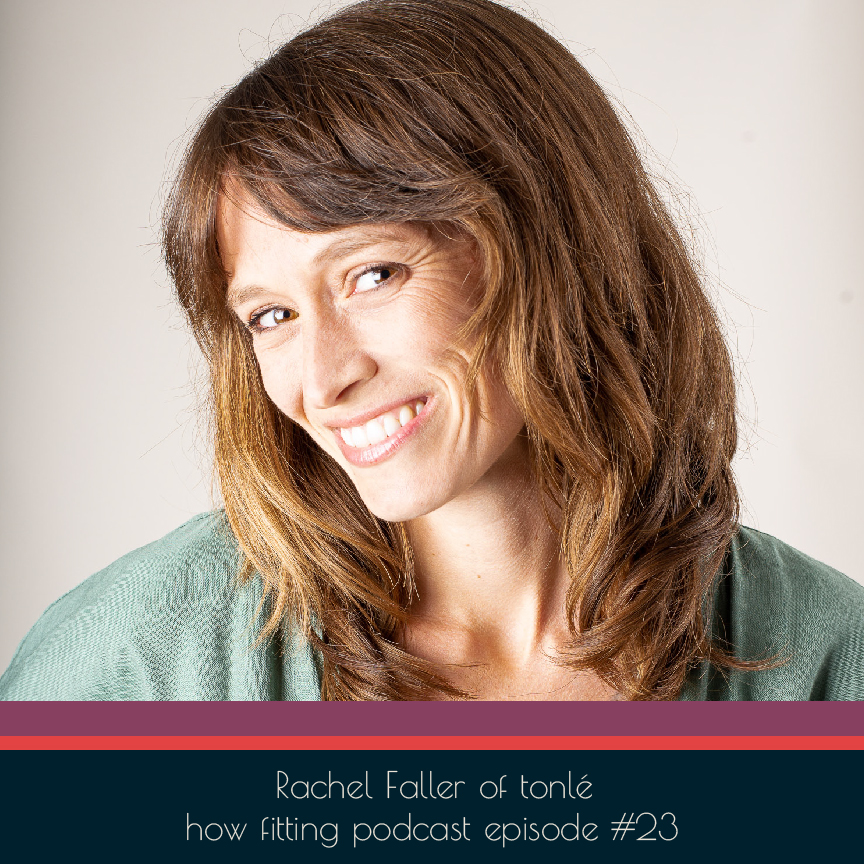
Creating Reciprocal Relationships As A Vertically Integrated Brand with Rachel Faller of tonlé episode artwork

EPISODE · Jul 6, 2021 · 1H

Creating Reciprocal Relationships As A Vertically Integrated Brand with Rachel Faller of tonlé

from How Fitting: design a slow fashion business that fits · host Alison Hoenes | women's apparel patternmaker

Episode 23 is an honest and insightful conversation with Rachel Faller, co-creator and Creative Director of tonlé, about changing the incentives of the traditional fashion system, zero-waste design, and building reciprocal relationships that are equitable for all involved. Rachel Faller is an entrepreneur by trade and a creative at heart. She dedicates most of her time to rectifying harm within the garment industry using a systemic approach- encouraging people to think about the root of systemic injustice and tackling these issues at their core rather than simply treating the symptoms. Rachel is a co-creator of tonlé – a zero waste, ethical and sustainable fashion line that is both a brand and a manufacturer.  Alongside a small but mighty 60-person team, tonlé is setting a new standard for the fashion industry: That is, to create a business where everyone benefits and thrives. Tonlé believes in horizontal leadership structures and designing from materials that others consider waste, as well as addressing the root causes of the industry’s problems: namely, capitalism, colonialism, misogyny and white supremacy.  Rachel is also a co-founder at Reclaim Collaborative, and writes at Just Fashion, a medium publication that explores the intersection of justice and fashion. Rachel’s personal and community care practices include crafting, painting, mending, gardening, and foraging. She says: “The process of making something or growing something, while in some ways feels like an act of self-preservation or self-reliance — often reminds me of how many people I depend on for my daily existence. I’m reminded of the labor, and hopefully, love, that went into my food and clothing. These practices ground me in reciprocity and the knowledge that, individually — we can’t do much. But collectively, we are powerful.” In this episode, you’ll learn: How Rachel got into the fashion industry even though it was something she never wanted to do How Rachel got connected with artisans in Cambodia The truth about the traceability of materials and labor at different stages of fashion supply chains How the typical fashion industry systems put all the responsibility and risk on factories while giving the brands all the benefit  Why being a vertically integrated brand completely changes the incentives and relationships for tonlé compared to typical fashion brands How being vertically integrated has created a more harmonious relationship between design and production and a better customer experience How to approach a factory and communicate with respect and fairness The fine line between white saviorism and truly equitable relationships within ethical fashion How you as a customer can incentivize brands for either good or bad Tonlé’s approach to zero-waste design Is deadstock as sustainable as it is perceived as? People and resources mentioned in this episode: tonlé website tonlé on Instagram FabScrap textile waste recycling and resale Braiding Sweetgrass by Robin Wall Kimmerer Do you want fashion business tips and resources like this sent straight to your inbox? Sign up for the How Fitting newsletter to receive new podcast episodes plus daily content on creating fashion that fits your customer, lifestyle, and values.

Episode 23 is an honest and insightful conversation with Rachel Faller, co-creator and Creative Director of tonlé, about changing the incentives of the traditional fashion system, zero-waste design, and building reciprocal relationships that are equitable for all involved. Rachel Faller is an entrepreneur by trade and a creative at heart. She dedicates most of her time to rectifying harm within the garment industry using a systemic approach- encouraging people to think about the root of systemic injustice and tackling these issues at their core rather than simply treating the symptoms. Rachel is a co-creator of tonlé – a zero waste, ethical and sustainable fashion line that is both a brand and a manufacturer.  Alongside a small but mighty 60-person team, tonlé is setting a new standard for the fashion industry: That is, to create a business where everyone benefits and thrives. Tonlé believes in horizontal leadership structures and designing from materials that others consider waste, as well as addressing the root causes of the industry’s problems: namely, capitalism, colonialism, misogyny and white supremacy.  Rachel is also a co-founder at Reclaim Collaborative, and writes at Just Fashion, a medium publication that explores the intersection of justice and fashion. Rachel’s personal and community care practices include crafting, painting, mending, gardening, and foraging. She says: “The process of making something or growing something, while in some ways feels like an act of self-preservation or self-reliance — often reminds me of how many people I depend on for my daily existence. I’m reminded of the labor, and hopefully, love, that went into my food and clothing. These practices ground me in reciprocity and the knowledge that, individually — we can’t do much. But collectively, we are powerful.” In this episode, you’ll learn: How Rachel got into the fashion industry even though it was something she never wanted to do How Rachel got connected with artisans in Cambodia The truth about the traceability of materials and labor at different stages of fashion supply chains How the typical fashion industry systems put all the responsibility and risk on factories while giving the brands all the benefit  Why being a vertically integrated brand completely changes the incentives and relationships for tonlé compared to typical fashion brands How being vertically integrated has created a more harmonious relationship between design and production and a better customer experience How to approach a factory and communicate with respect and fairness The fine line between white saviorism and truly equitable relationships within ethical fashion How you as a customer can incentivize brands for either good or bad Tonlé’s approach to zero-waste design Is deadstock as sustainable as it is perceived as? People and resources mentioned in this episode: tonlé website tonlé on Instagram FabScrap textile waste recycling and resale Braiding Sweetgrass by Robin Wall Kimmerer Do you want fashion business tips and resources like this sent straight to your inbox? Sign up for the How Fitting newsletter to receive new podcast episodes plus daily content on creating fashion that fits your customer, lifestyle, and values.

NOW PLAYING

Creating Reciprocal Relationships As A Vertically Integrated Brand with Rachel Faller of tonlé

0:00 1:00:19

No transcript for this episode yet

We transcribe on demand. Request one and we'll notify you when it's ready — usually under 10 minutes.

MG Show MG Show The MG Show, hosted by Jeffrey Pedersen and Shannon Townsend, is a leading alternative media platform dedicated to uncovering the truth behind today’s most pressing political issues. Launched in 2019, the show has grown exponentially, offering unfiltered insights, comprehensive research, and real-time analysis. With a commitment to independent journalism and factual integrity, the MG Show empowers its audience with knowledge and encourages active participation in the political discourse. Ask A Spaceman Archives - 365 Days of Astronomy Ask A Spaceman Archives - 365 Days of Astronomy Podcasting Astronomy Every Day of the Year French Your Way Jessica: Native French teacher founder of French Your Way Boost your French listening skills and test your comprehension with this one of a kind series of podcasts. Get the chance to listen to a real conversation between native speakers talking at normal speed AND customise your learning experience through carefully designed sets of questions (2 levels of difficulty) available for download at www.frenchvoicespodcast.com. All interviews also come with the transcript. French teacher Jessica interviews native speakers of French from around the world who share a bit of their life and passion. Where else would you meet in one same place a French yoga teacher based in Melbourne, a soap manufacturer from Provence, or a couple cycling around the world? That Hoarder: Overcome Compulsive Hoarding That Hoarder Hoarding disorder is stigmatised and people who hoard feel vast amounts of shame. This podcast began life as an audio diary, an anonymous outlet for somebody with this weird condition. That Hoarder speaks about her experiences living with compulsive hoarding, she interviews therapists, academics, researchers, children of hoarders, professional organisers and influencers, and she shares insight and tips for others with the problem. Listened to by people who hoard as well as those who love them and those who work with them, Overcome Compulsive Hoarding with That Hoarder aims to shatter the stigma, share the truth and speak openly and honestly to improve lives.

Frequently Asked Questions

How long is this episode of How Fitting: design a slow fashion business that fits?

This episode is 1 hour and 0 minutes long.

When was this How Fitting: design a slow fashion business that fits episode published?

This episode was published on July 6, 2021.

What is this episode about?

Episode 23 is an honest and insightful conversation with Rachel Faller, co-creator and Creative Director of tonlé, about changing the incentives of the traditional fashion system, zero-waste design, and building reciprocal relationships that are...

Can I download this How Fitting: design a slow fashion business that fits episode?

Yes, you can download this episode by clicking the download button on the episode player, or subscribe to the podcast in your preferred podcast app for automatic downloads.
URL copied to clipboard!