
EPISODE · Feb 23, 2022 · 1H 36M
"Culture is Sovereign" - Amílcar Cabral and African Anti-colonial Internationalism with António Tomás
from Millennials Are Killing Capitalism · host Millennials Are Killing Capitalism
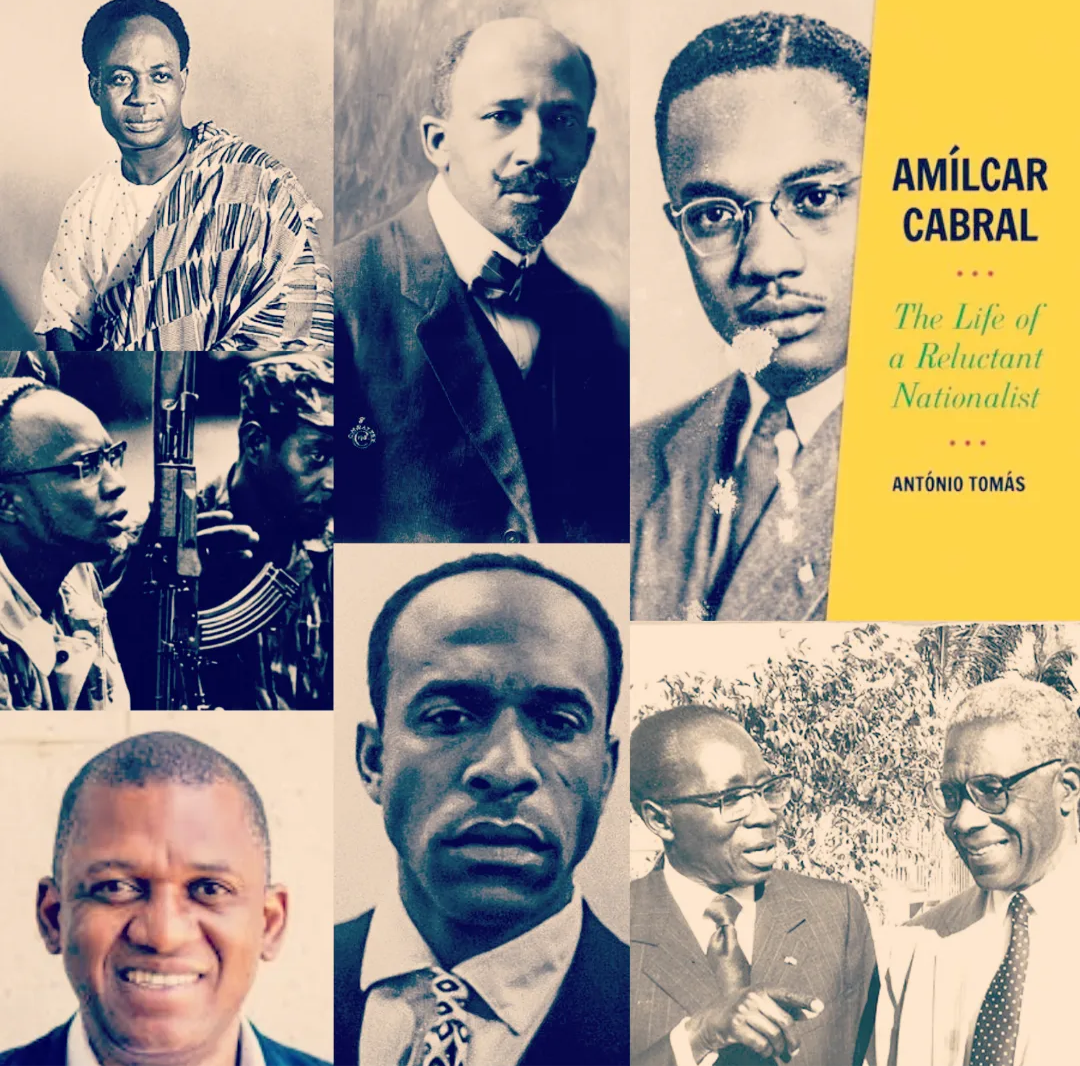
In this episode we interview António Tomás. Tomás is an Associate Professor in the Graduate School of Architecture at the University of Johannesburg in South Africa. He is a native of Angola, and holds a PhD in Anthropology from Columbia University. He has worked as a journalist in Angola and Portugal and has written extensively on issues related to Lusophone Africa. Back in early December we published an interview with Tomás on his book Amílcar Cabral: The Life of a Reluctant Nationalist. In that conversation Tomás delved into the struggle of the PAIGC, various dynamics of Guinea-Bissau and Cape Verde, and an analysis of Portuguese colonialism and counterinsurgency. Tomás also examined Cabral's theory and practice in relation to Marxist thought and techniques of guerrilla warfare popular at the time. Discussing some of Cabral's unique theoretical and practical interventions along the way. As we mentioned at the time, there were others aspects of Cabral's life we wanted to delve into more deeply. Such as his time with the MAC or Movimento Anticolonial (Anticolonial Movement) his relationships with, and the influence of, figures like Frantz Fanon, Sekou Touré, and Kwame Nkrumah and his thinking on issues of Pan Africanism and internationalism. In this conversation we explore those topics and also further discuss how Cabral's speeches must be read in the context of audience both intended and unintended. As well as in relation to the concrete needs of the PAIGC's liberation struggle in that moment. We also talk specifically about the relationships Cabral had with Léopold Senghor and Sekou Touré the heads of state of Guinea-Bissau's neighbors, who each provided different forms of solidarity, allowed different types of activity from the PAIGC within their state, and embraced a different tactics in relation to the PAIGC's struggle against Portuguese colonialism. Finally, Tomás discusses what he considers Cabral's greatest contributions to African anti colonial struggle. It's important to remember that many of the questions asked here remain open, but Tomás's insights are very useful in reading Cabral's thought and understanding the practices of the PAIGC in context. This is our fourth episode of the month of February, and currently we're still down 3 patrons for the month. So if you've been thinking about becoming a patron, now is a great time to show your support. You can do so for as little as $1 a month at patreon.com/millennialsarekillingcapitalism References in the show: Part 1 of this conversation Amílcar Cabral: The Life of a Reluctant Nationalist by António Tomás António Tomás' forthcoming book In the Skin of the City: Spatial Transformation in Luanda Cabral's "Facts About Colonialism" also known as "Facts About Portugal's African Colonies" can be found in Unity & Struggle. Return To The Source (and mulitiple speeches within it) is also referenced in the show. Cesaire's Notebook of a Return to the Nativeland Fanon's Wretched of the Earth
Embed this episode
Ready to play
"Culture is Sovereign" - Amílcar Cabral and African Anti-colonial Internationalism with António Tomás
No transcript for this episode yet
Similar Episodes
No similar episodes found.
Similar Podcasts
No similar podcasts found.