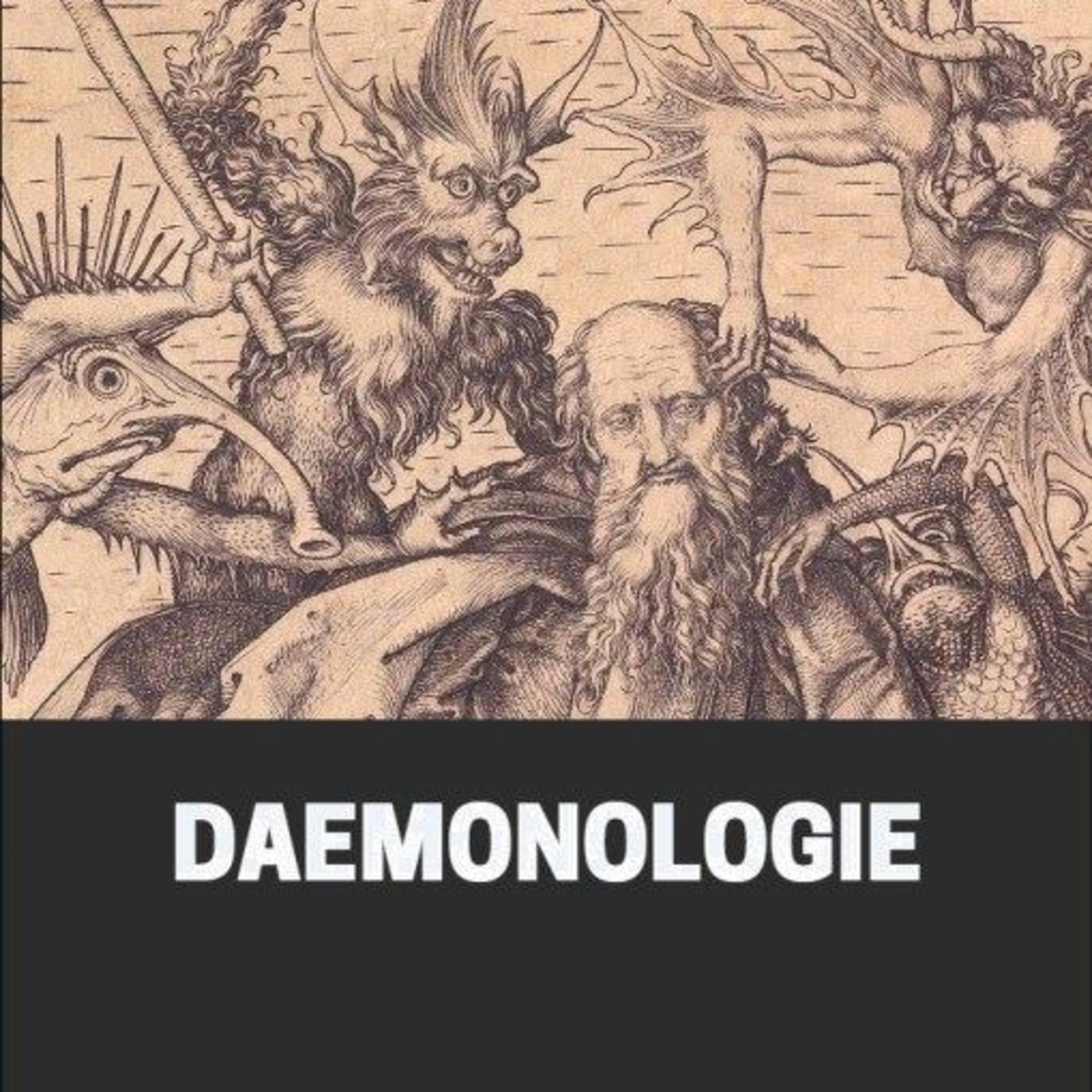
Daemonologie: King James’s War on Witches and Spirits episode artwork

EPISODE · Mar 29, 2025 · 36 MIN

Daemonologie: King James’s War on Witches and Spirits

from Occult Archives · host Falcon Millenium

In Daemonologie, King James VI of Scotland (later James I of England) offers a rare glimpse into the mind of a monarch obsessed with the metaphysical forces he believed were threatening both the crown and Christian society. Written in 1597, this work isn't merely a treatise on witchcraft—it’s a philosophical and theological defense of the persecution of witches, necromancers, and conjurers, penned by the ruler who authorized some of the most notorious witch trials in history. Presented as a Socratic-style dialogue between characters Philomathes and Epistemon, the text explores the nature, origins, and classifications of various magical practices, and argues that Satan’s influence is not only real but actively manifesting through human agents.King James’s arguments are deeply rooted in Biblical interpretation, coupled with personal conviction and, likely, fear. His analysis begins by acknowledging the widespread skepticism surrounding witchcraft but moves swiftly to dismantle it using scripture, anecdotal evidence, and logical deduction. He distinguishes between different categories of the occult: magicians who command spirits, witches who serve them, and necromancers who communicate with the dead—all under Satan's dominion. The King warns against intellectuals who deny the existence of spirits, labeling them heretics and threats to the faith.The treatise takes a grim turn when discussing punishment. For James, witchcraft isn't just heresy; it's treason against divine order, deserving of death. He justifies the brutality of witch hunts as a holy war against demonic corruption. Accompanying Daemonologie is Newes from Scotland, a lurid account of the North Berwick witch trials in which the King himself played a central role. The confessions—extracted through torture—were presented as irrefutable proof of the Devil’s schemes, including plots to murder the King using magical storms.This podcast episode explores Daemonologie as both a historical document and a reflection of its author’s inner fears, spiritual convictions, and political maneuvers. It exposes how religious orthodoxy, personal superstition, and royal authority coalesced into a dangerous ideology—one that would contribute to centuries of witch persecutions. But beyond its horror lies a strange irony: the same King who crusaded against demons would later sponsor the translation of the Bible that bears his name. This episode invites listeners to examine how belief in unseen forces can shape laws, ignite terror, and write history in blood and ink.

In Daemonologie, King James VI of Scotland (later James I of England) offers a rare glimpse into the mind of a monarch obsessed with the metaphysical forces he believed were threatening both the crown and Christian society. Written in 1597, this work isn't merely a treatise on witchcraft—it’s a philosophical and theological defense of the persecution of witches, necromancers, and conjurers, penned by the ruler who authorized some of the most notorious witch trials in history. Presented as a Socratic-style dialogue between characters Philomathes and Epistemon, the text explores the nature, origins, and classifications of various magical practices, and argues that Satan’s influence is not only real but actively manifesting through human agents.King James’s arguments are deeply rooted in Biblical interpretation, coupled with personal conviction and, likely, fear. His analysis begins by acknowledging the widespread skepticism surrounding witchcraft but moves swiftly to dismantle it using scripture, anecdotal evidence, and logical deduction. He distinguishes between different categories of the occult: magicians who command spirits, witches who serve them, and necromancers who communicate with the dead—all under Satan's dominion. The King warns against intellectuals who deny the existence of spirits, labeling them heretics and threats to the faith.The treatise takes a grim turn when discussing punishment. For James, witchcraft isn't just heresy; it's treason against divine order, deserving of death. He justifies the brutality of witch hunts as a holy war against demonic corruption. Accompanying Daemonologie is Newes from Scotland, a lurid account of the North Berwick witch trials in which the King himself played a central role. The confessions—extracted through torture—were presented as irrefutable proof of the Devil’s schemes, including plots to murder the King using magical storms.This podcast episode explores Daemonologie as both a historical document and a reflection of its author’s inner fears, spiritual convictions, and political maneuvers. It exposes how religious orthodoxy, personal superstition, and royal authority coalesced into a dangerous ideology—one that would contribute to centuries of witch persecutions. But beyond its horror lies a strange irony: the same King who crusaded against demons would later sponsor the translation of the Bible that bears his name. This episode invites listeners to examine how belief in unseen forces can shape laws, ignite terror, and write history in blood and ink.

NOW PLAYING

Daemonologie: King James’s War on Witches and Spirits

0:00 36:13

No transcript for this episode yet

We transcribe on demand. Request one and we'll notify you when it's ready — usually under 10 minutes.

No similar episodes found.

No similar podcasts found.

Frequently Asked Questions

How long is this episode of Occult Archives?

This episode is 36 minutes long.

When was this Occult Archives episode published?

This episode was published on March 29, 2025.

What is this episode about?

In Daemonologie, King James VI of Scotland (later James I of England) offers a rare glimpse into the mind of a monarch obsessed with the metaphysical forces he believed were threatening both the crown and Christian society. Written in 1597, this...

Can I download this Occult Archives episode?

Yes, you can download this episode by clicking the download button on the episode player, or subscribe to the podcast in your preferred podcast app for automatic downloads.
URL copied to clipboard!