
EPISODE · Apr 16, 2026 · 45 MIN
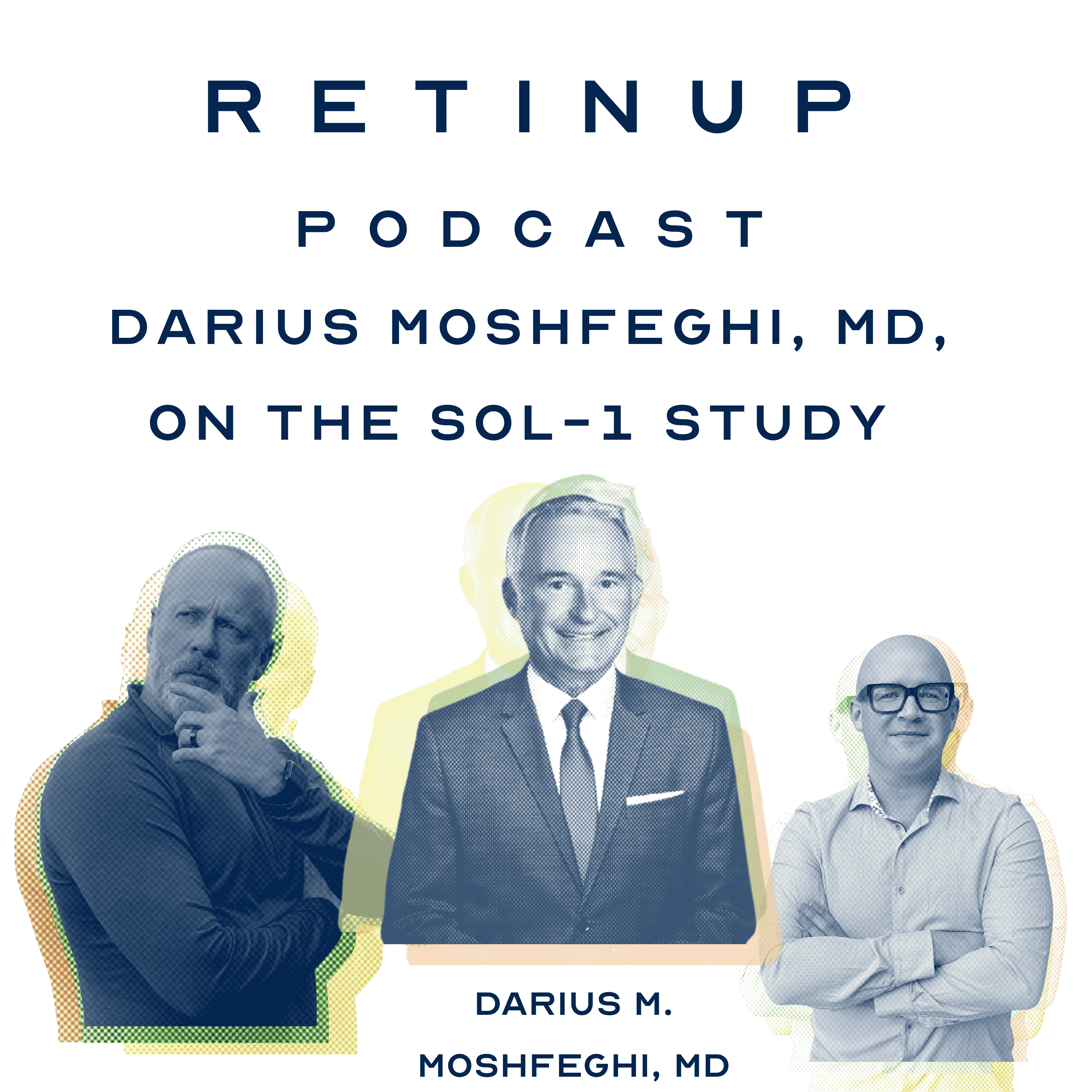
Darius Moshfeghi, MD, on the SOL-1 Study | Plus, Heads-Up 3D Visualization and Medicare Cut Concerns
from RetinUp Podcast
Show SummaryThis episode of RetinUp opens with a timely policy discussion between the hosts about proposed Medicare and Medicaid funding cuts, exploring what they could mean for retina practices and their most vulnerable patients.The Vitreoretinal View segment features John Kitchens, MD, sharing his decade-long experience with heads-up 3D visualization. He reviews what makes it transformative for training and surgical outcomes, why widespread adoption has been slower than expected, and what might finally tip the scales.In the main interview, Stanford's Darius Moshfeghi, MD, joins Scott and John to break down the SOL-1 Phase 3 superiority study on Axpaxli (OTX-TKI), Ocular Therapeutix's investigational bioresorbable intravitreal hydrogel incorporating axitinib. He discusses his unique role as an independent rescue monitor, explains the study's novel design, unpacks what the superiority outcome over aflibercept actually means for clinical practice, and previews what the SOL-R study may tell us next.Hosts: John Kitchens, MD, Scott KrzywonosGuests: Darius Moshfeghi, MD – Chief, Retina Division; Professor, Byers Eye Institute, Stanford University School of MedicineTopics CoveredSOL-1 Study: Design, Findings & Context (Darius Moshfeghi, MD)The independent rescue monitor role: what it is, how it worked, and why it was created for SOL-1SOL-1’s study design, superiority outcome, and floaters data (and why they were not clinically concerning)Superiority vs. non-inferiority: implications for labeling, step therapy avoidance, and physician adoptionHow retina specialists could integrate Axpaxli into their practice protocolsHow SOL-R differs from SOL-1, and what SOL-R might show usVitreoretinal View: Heads-Up 3D Visualization Origins of heads-up 3D: TruVision and Alcon NGenuityZeiss and Heidelberg heads-up visualization systemsWhy John adopted NGenuity early and continues to use itKey benefits: surgical video quality, fellow training, and real-time coachingCost considerations and other reasons why adoption has remained lowThe anterior segment opportunity: how cataract surgery economics may drive broader uptakeMedicare & Managed Care Policy ConcernsProposed $200 billion in federal budget cuts and the potential impact on Medicare and MedicaidRisk of increased step therapy, Avastin-first policies, and tiered drug coverageAccess-to-care concerns for Medicaid patients, particularly at academic medical centersThe difference between traditional Medicare and managed Medicare (Medicare Advantage)Historical context: past Congressional threats to Medicare reimbursement and how they've played outKey TakeawaysThe independent rescue monitor role pioneered in SOL-1 reflects a novel, collaborative approach to adjudicating vision-threatening events in clinical trials.Physicians will likely adapt AXPAXLI into existing treat-and-extend protocols; SOL-R's more traditional design may generate data that resonates more directly with clinical practice.SOL-1 is the first superiority study in retina/ophthalmology, demonstrating that a single injection of Axpaxli (Ocular Therapeutix) outperforms aflibercept 2mg (Regeneron) on vision maintenance — with durability extending well beyond current approved dosing intervals.Heads-up 3D visualization offers meaningful advantages for surgical training and video quality, but high costs for integrated systems and declining surgery center reimbursements continue to limit adoption.Proposed federal budget cuts to Medicare and Medicaid represent a real threat to retina practices and patient access, particularly for drug coverage and underserved populations.Credits Production & Marketing: Laura Brown | Business Operations: Liz Hogan
Embed this episode
NOW PLAYING
Darius Moshfeghi, MD, on the SOL-1 Study | Plus, Heads-Up 3D Visualization and Medicare Cut Concerns
No transcript for this episode yet
Similar Episodes
No similar episodes found.
Similar Podcasts
No similar podcasts found.