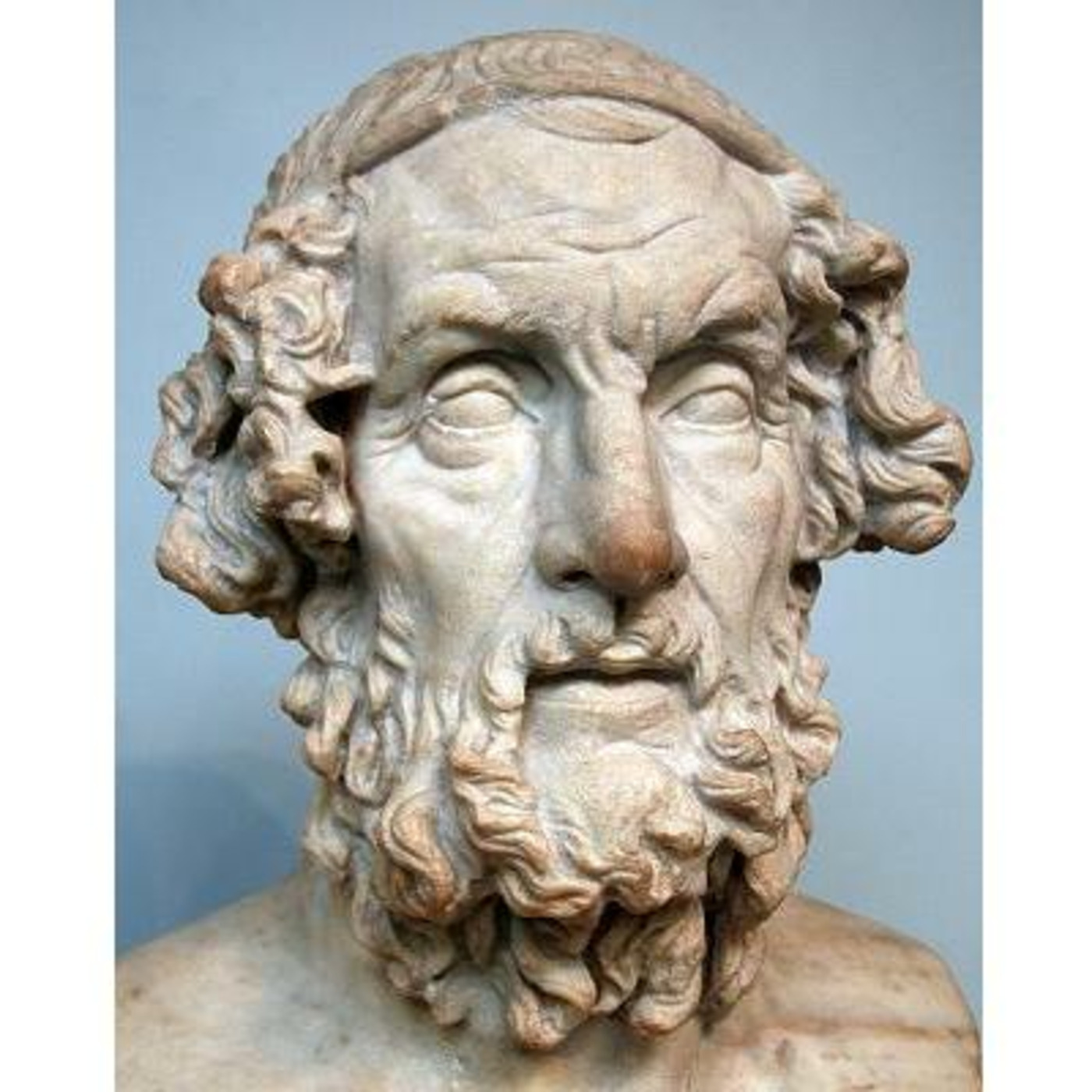
Darkness by Lord Byron episode artwork

EPISODE · Mar 11, 2008 · 5 MIN

Darkness by Lord Byron

from Classic Poetry Aloud · host Classic Poetry Aloud

Byron read by Classic Poetry Aloud: http://www.classicpoetryaloud.com/ Giving voice to the poetry of the past. --------------------------------------------- Darkness by George Gordon, Lord Byron (1788 – 1824) I had a dream, which was not all a dream, The bright sun was extinguish’d, and the stars Did wander darkling in the eternal space, Rayless, and pathless; and the icy earth Swung blind and blackening in the moonless air Morn came and went—and came, and brought no day, And men forgot their passions in the dread Of this their desolation: and all hearts Were chill’d into a selfish prayer for light: And they did live by watchfires—and the thrones, The palaces of crowned kings—the huts, The habitations of all things which dwell, Were burnt for beacons; cities were consumed, And men were gathered round their blazing homes To look once more into each other’s face Happy were those who dwelt within the eye Of the volcanoes, and their mountain-torch: A fearful hope was all the world contained; Forests were set on fire—but hour by hour They fell and faded—and the crackling trunks Extinguish’d with a crash—and all was black. The brows of men by the despairing light Wore an unearthly aspect, as by fits The flashes fell upon them; some lay down And hid their eyes and wept; and some did rest Their chins upon their clenched hands and smiled; And others hurried to and fro, and fed Their funeral piles with fuel, and look’d up With mad disquietude on the dull sky, The pall of a past world; and then again With curses cast them down upon the dust, And gnash’d their teeth and howl’d: the wild birds shriek’d, And, terrified, did flutter on the ground. And flap their useless wings; the wildest brutes Came tame and tremulous; and vipers crawl’d And twined themselves among the multitude, Hissing, but stingless—they were slain for food: And War, which for a moment was no more, Did glut himself again:—a meal was bought With blood, and each sate sullenly apart Gorging himself in gloom: no love was left; All earth was but one thought—and that was death Immediate and inglorious; and the pang Of famine fed upon all entrails—men Died, and their bones were tombless as their flesh; The meagre by the meagre were devour’d, Even dogs assail’d their masters, all save one, And he was faithful to a corse, and kept The birds and beasts and famish’d men at bay, Till hunger clung them, or the dropping dead Lured their lank jaws; himself sought out no food, But with a piteous and perpetual moan, And a quick desolate cry, licking the hand Which answer’d not with a caress—he died. The crowd was famish’d by degrees; but two Of an enormous city did survive, And they were enemies: they met beside The dying embers of an altar-place, Where had been heap’d a mass of holy things For an unholy usage; they raked up, And shivering scraped with their cold skeleton hands The feeble ashes, and their feeble breath Blew for a little life, and made a flame Which was a mockery; then they lifted up Their eyes as it grew lighter, and beheld Each other’s aspects—saw and shriek’d, and died— Ev’n of their mutual hideousness they died, Unknowing who he was upon whose brow Famine had written Fiend. The world was void, The populous, and the powerful was a lump, Seasonless, herbless, treeless, manless, lifeless, A lump of death—a chaos of hard clay. The rivers, lakes, and ocean all stood still, And nothing stirr’d within their silent depths; Ships sailorless lay rotting on the sea, And their masts fell down piecemeal; as they dropp’d, They slept on the abyss without a surge— The waves were dead; the tides were in their grave, The Moon, their mistress, had expired before; The winds were wither’d in the stagnant air, And the clouds perish’d; Darkness had no need Of aid from them—She was the Universe!

Byron read by Classic Poetry Aloud: http://www.classicpoetryaloud.com/ Giving voice to the poetry of the past. --------------------------------------------- Darkness by George Gordon, Lord Byron (1788 – 1824) I had a dream, which was not all a dream, The bright sun was extinguish’d, and the stars Did wander darkling in the eternal space, Rayless, and pathless; and the icy earth Swung blind and blackening in the moonless air Morn came and went—and came, and brought no day, And men forgot their passions in the dread Of this their desolation: and all hearts Were chill’d into a selfish prayer for light: And they did live by watchfires—and the thrones, The palaces of crowned kings—the huts, The habitations of all things which dwell, Were burnt for beacons; cities were consumed, And men were gathered round their blazing homes To look once more into each other’s face Happy were those who dwelt within the eye Of the volcanoes, and their mountain-torch: A fearful hope was all the world contained; Forests were set on fire—but hour by hour They fell and faded—and the crackling trunks Extinguish’d with a crash—and all was black. The brows of men by the despairing light Wore an unearthly aspect, as by fits The flashes fell upon them; some lay down And hid their eyes and wept; and some did rest Their chins upon their clenched hands and smiled; And others hurried to and fro, and fed Their funeral piles with fuel, and look’d up With mad disquietude on the dull sky, The pall of a past world; and then again With curses cast them down upon the dust, And gnash’d their teeth and howl’d: the wild birds shriek’d, And, terrified, did flutter on the ground. And flap their useless wings; the wildest brutes Came tame and tremulous; and vipers crawl’d And twined themselves among the multitude, Hissing, but stingless—they were slain for food: And War, which for a moment was no more, Did glut himself again:—a meal was bought With blood, and each sate sullenly apart Gorging himself in gloom: no love was left; All earth was but one thought—and that was death Immediate and inglorious; and the pang Of famine fed upon all entrails—men Died, and their bones were tombless as their flesh; The meagre by the meagre were devour’d, Even dogs assail’d their masters, all save one, And he was faithful to a corse, and kept The birds and beasts and famish’d men at bay, Till hunger clung them, or the dropping dead Lured their lank jaws; himself sought out no food, But with a piteous and perpetual moan, And a quick desolate cry, licking the hand Which answer’d not with a caress—he died. The crowd was famish’d by degrees; but two Of an enormous city did survive, And they were enemies: they met beside The dying embers of an altar-place, Where had been heap’d a mass of holy things For an unholy usage; they raked up, And shivering scraped with their cold skeleton hands The feeble ashes, and their feeble breath Blew for a little life, and made a flame Which was a mockery; then they lifted up Their eyes as it grew lighter, and beheld Each other’s aspects—saw and shriek’d, and died— Ev’n of their mutual hideousness they died, Unknowing who he was upon whose brow Famine had written Fiend. The world was void, The populous, and the powerful was a lump, Seasonless, herbless, treeless, manless, lifeless, A lump of death—a chaos of hard clay. The rivers, lakes, and ocean all stood still, And nothing stirr’d within their silent depths; Ships sailorless lay rotting on the sea, And their masts fell down piecemeal; as they dropp’d, They slept on the abyss without a surge— The waves were dead; the tides were in their grave, The Moon, their mistress, had expired before; The winds were wither’d in the stagnant air, And the clouds perish’d; Darkness had no need Of aid(continued)

NOW PLAYING

Darkness by Lord Byron

0:00 5:56

No transcript for this episode yet

We transcribe on demand. Request one and we'll notify you when it's ready — usually under 10 minutes.

The Field Priest Methodius Chwastek The Field is a place of cultivation and of battle. In the Church, we learn to cultivate a life pleasing to God. This life is shaped in the spiritual battle. This series examines, chapter by chapter, the Christian classic The Field, by Saint Ignatius Brianchaninov. Please join me as I explain this great work in terms the modern Orthodox Christian can understand.  Tao Te Ching by Laozi (Author), Stephen Mitchell (Full Audiobook) Laozi Lao-tzu's Tao Te Ching, or Book of the Way, is the classic manual on the art of living, and one of the wonders of the world. In eighty-one brief chapters, the Tao Te Ching looks at the basic predicament of being alive and gives advice that imparts balance and perspective, a serene and generous spirit. This book is about wisdom in action. It teaches how to work for the good with the effortless skill that comes from being in accord with the Tao (the basic principle of the universe) and applies equally to good government and sexual love; to child rearing, business, and ecology.Stephen Mitchell's bestselling version has been widely acclaimed as a gift to contemporary culture. The Brackenfield Records Anvil Audio Productions An off-beat homage to classic radio detectives of the 1940s and '50s, The Brackenfield Records offers comforting genre fare, sitting somewhere between cosy and hard-boiled crime fiction.Whether it's dealing with unfaithful spouses, off-the-rails celebrities, crooked businesspeople, or gun-toting no-gooders, Brackenfield never falters! The Hobbit by J. R. R. Tolkien Audiobook Raghvendra Singh The journey through Middle-earth begins here with J.R.R. Tolkien's classic prelude to his Lord of the Rings trilogy.“A glorious account of a magnificent adventure, filled with suspense and seasoned with a quiet humor that is irresistible... All those, young or old, who love a fine adventurous tale, beautifully told, will take The Hobbit to their hearts.”—The New York Times Book Review"In a hole in the ground there lived a hobbit." So begins one of the most beloved and delightful tales in the English language—Tolkien's prelude to The Lord of the Rings. Set in the imaginary world of Middle-earth, at once a classic myth and a modern fairy tale, The Hobbit is one of literature's most enduring and well-loved novels.Bilbo Baggins is a hobbit who enjoys a comfortable, unambitious life, rarely traveling any farther than his pantry or cellar. But his contentment is disturbed when the wizard Gandalf and a company of dwarves arrive on his doorstep one day to whisk him away

Frequently Asked Questions

How long is this episode of Classic Poetry Aloud?

This episode is 5 minutes long.

When was this Classic Poetry Aloud episode published?

This episode was published on March 11, 2008.

What is this episode about?

Byron read by Classic Poetry Aloud: http://www.classicpoetryaloud.com/ Giving voice to the poetry of the past. --------------------------------------------- Darkness by George Gordon, Lord Byron (1788 – 1824) I had a dream, which was not...

Can I download this Classic Poetry Aloud episode?

Yes, you can download this episode by clicking the download button on the episode player, or subscribe to the podcast in your preferred podcast app for automatic downloads.
URL copied to clipboard!