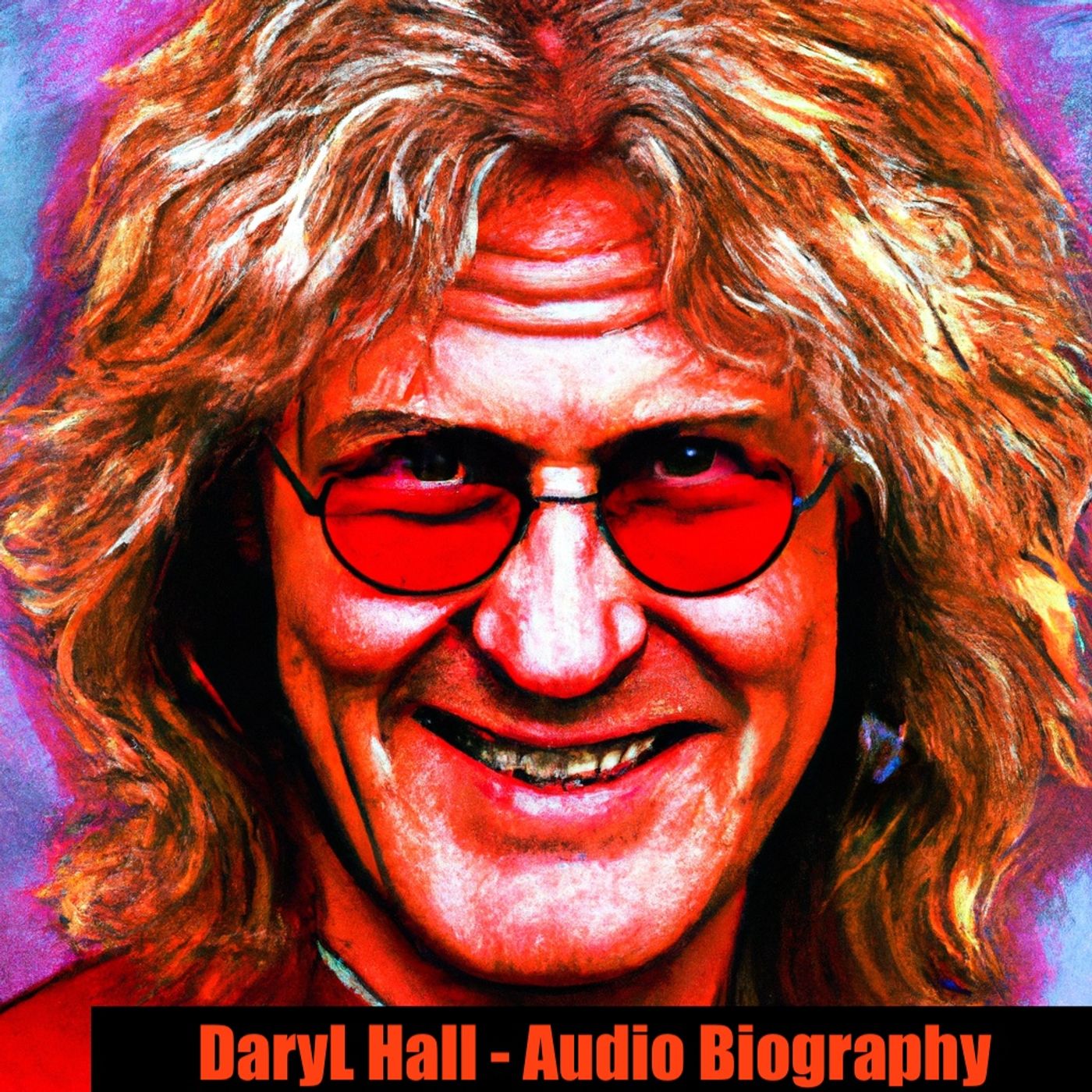
Daryl Hall - Audio Biography episode artwork

EPISODE · Dec 8, 2023 · 5 MIN

Daryl Hall - Audio Biography

from DaryL Hall - Audio Biography · host Inception Point AI

Singer, songwriter and musician Daryl Hall draws apt parallel to genre fluid visionary David Bowie, shifting between musical alter-egos almost manically over decades careers. For both transcended rigid industry boxes even at risk of commercial stakes because the art called louder. Where Bowie created theatrical personas like Ziggy Stardust vehicle for explosive glam expedition, Hall poured schizophrenic influences from Temptations soul to Led Zeppelin prog into smash pop blender alongside trusted creative partner John Oates. From the lush piano balladry of early Hall & Oates to synth-sheened ‘80s apex when they dominated radio and new media like MTV, Daryl dug into sonic possibilities restlessly. Six decades deep into still-unfurling legacy, we trace artistic highs, pop pressures and personal pains making the man. Blue-Eyed Soul Childhood & Teen Band Years Daryl Franklin Hohl was born on October 11, 1946 in rural Pottstown, Pennsylvania located outside Philadelphia known for breeding musicians from Todd Rundgren to Questlove’s father Lee Andrews. Surrounded by choral singer mother and jazz musician father, young Daryl absorbed sounds from gospel tones to classical strings by age 6 when taking piano lessons from local instructor Bertha Hall. Her last name and initial “H” he’d later adopt when moving to Philadelphia for early bands. Artistically adventurous from youth, Hall formed first working band The Temptones at age 14 playing soul/R&B covers. His clear tenor drew comparisons to The Temptations. After some college stints during mid-60s, he reconnected high school buddy and singer John Oates to found early abum act The Masters in 1967. Blending folk, rock, and vocal harmonies, they developed trademark symbiotic sound mixing Hall’s wide-ranging influences from The Band's Americana to The Young Rascals' blue-eyed soul. Early Solo Work to Hall & Oates Formation Before fully jelling as the famous Hall & Oates, Daryl Hall released obscure solo album Whole Oats in 1972 showcasing eclectic blend of original songs and sprawling covers like 10-minute Gershwin interpretation “It Ain’t Necessarily Soul”. Displaying little concern for commercial appeal, he chased artistic experimentation across folk, R&B and glam rock loosely stitched together by theatrical crooning. Though Atlantic Records swiftly severed contract due to poor sales from his freewheeling vision, the album epitomized singular artistic wanderlust driving early career. When Daryl Hall and John Oates concept solidified on breakthrough 1975 LP Whole Oats and single “She’s Gone”, the pieces organically fit Daryl's strengths. Hall handled most lead songwriting/vocal duty swirling R&B choreographed loosely to let live-off-the-floor jam moments and syncopated clavinet parts breathe. Oates filled space with chunky rhythm guitar freeing up Daryl's vocal runs and keyboard solos careening songs to dramatic emotional peaks before last second slick pop resolution. Mainstream Po This content was created in partnership and with the help of Artificial Intelligence AI.

Singer, songwriter and musician Daryl Hall draws apt parallel to genre fluid visionary David Bowie, shifting between musical alter-egos almost manically over decades careers. For both transcended rigid industry boxes even at risk of commercial stakes because the art called louder. Where Bowie created theatrical personas like Ziggy Stardust vehicle for explosive glam expedition, Hall poured schizophrenic influences from Temptations soul to Led Zeppelin prog into smash pop blender alongside trusted creative partner John Oates. From the lush piano balladry of early Hall & Oates to synth-sheened ‘80s apex when they dominated radio and new media like MTV, Daryl dug into sonic possibilities restlessly. Six decades deep into still-unfurling legacy, we trace artistic highs, pop pressures and personal pains making the man. Blue-Eyed Soul Childhood & Teen Band Years Daryl Franklin Hohl was born on October 11, 1946 in rural Pottstown, Pennsylvania located outside Philadelphia known for breeding musicians from Todd Rundgren to Questlove’s father Lee Andrews. Surrounded by choral singer mother and jazz musician father, young Daryl absorbed sounds from gospel tones to classical strings by age 6 when taking piano lessons from local instructor Bertha Hall. Her last name and initial “H” he’d later adopt when moving to Philadelphia for early bands. Artistically adventurous from youth, Hall formed first working band The Temptones at age 14 playing soul/R&B covers. His clear tenor drew comparisons to The Temptations. After some college stints during mid-60s, he reconnected high school buddy and singer John Oates to found early abum act The Masters in 1967. Blending folk, rock, and vocal harmonies, they developed trademark symbiotic sound mixing Hall’s wide-ranging influences from The Band's Americana to The Young Rascals' blue-eyed soul. Early Solo Work to Hall & Oates Formation Before fully jelling as the famous Hall & Oates, Daryl Hall released obscure solo album Whole Oats in 1972 showcasing eclectic blend of original songs and sprawling covers like 10-minute Gershwin interpretation “It Ain’t Necessarily Soul”. Displaying little concern for commercial appeal, he chased artistic experimentation across folk, R&B and glam rock loosely stitched together by theatrical crooning. Though Atlantic Records swiftly severed contract due to poor sales from his freewheeling vision, the album epitomized singular artistic wanderlust driving early career. When Daryl Hall and John Oates concept solidified on breakthrough 1975 LP Whole Oats and single “She’s Gone”, the pieces organically fit Daryl's strengths. Hall handled most lead songwriting/vocal duty swirling R&B choreographed loosely to let live-off-the-floor jam moments and syncopated clavinet parts breathe. Oates filled space with chunky rhythm guitar freeing up Daryl's vocal runs and keyboard solos careening songs to dramatic emotional peaks before last second slick pop resolution. Mainstream Po This content was created in partnership and with the help of Artificial Intelligence AI.

NOW PLAYING

Daryl Hall - Audio Biography

0:00 5:40

No transcript for this episode yet

We transcribe on demand. Request one and we'll notify you when it's ready — usually under 10 minutes.

No similar episodes found.

No similar podcasts found.

Frequently Asked Questions

How long is this episode of DaryL Hall - Audio Biography?

This episode is 5 minutes long.

When was this DaryL Hall - Audio Biography episode published?

This episode was published on December 8, 2023.

What is this episode about?

Singer, songwriter and musician Daryl Hall draws apt parallel to genre fluid visionary David Bowie, shifting between musical alter-egos almost manically over decades careers. For both transcended rigid industry boxes even at risk of commercial...

Is there a transcript available for this episode?

Yes, a full transcript is available for this episode. You can read the complete transcript on the episode page.

Can I download this DaryL Hall - Audio Biography episode?

Yes, you can download this episode by clicking the download button on the episode player, or subscribe to the podcast in your preferred podcast app for automatic downloads.
URL copied to clipboard!