
EPISODE · Apr 17, 2026 · 1H 25M
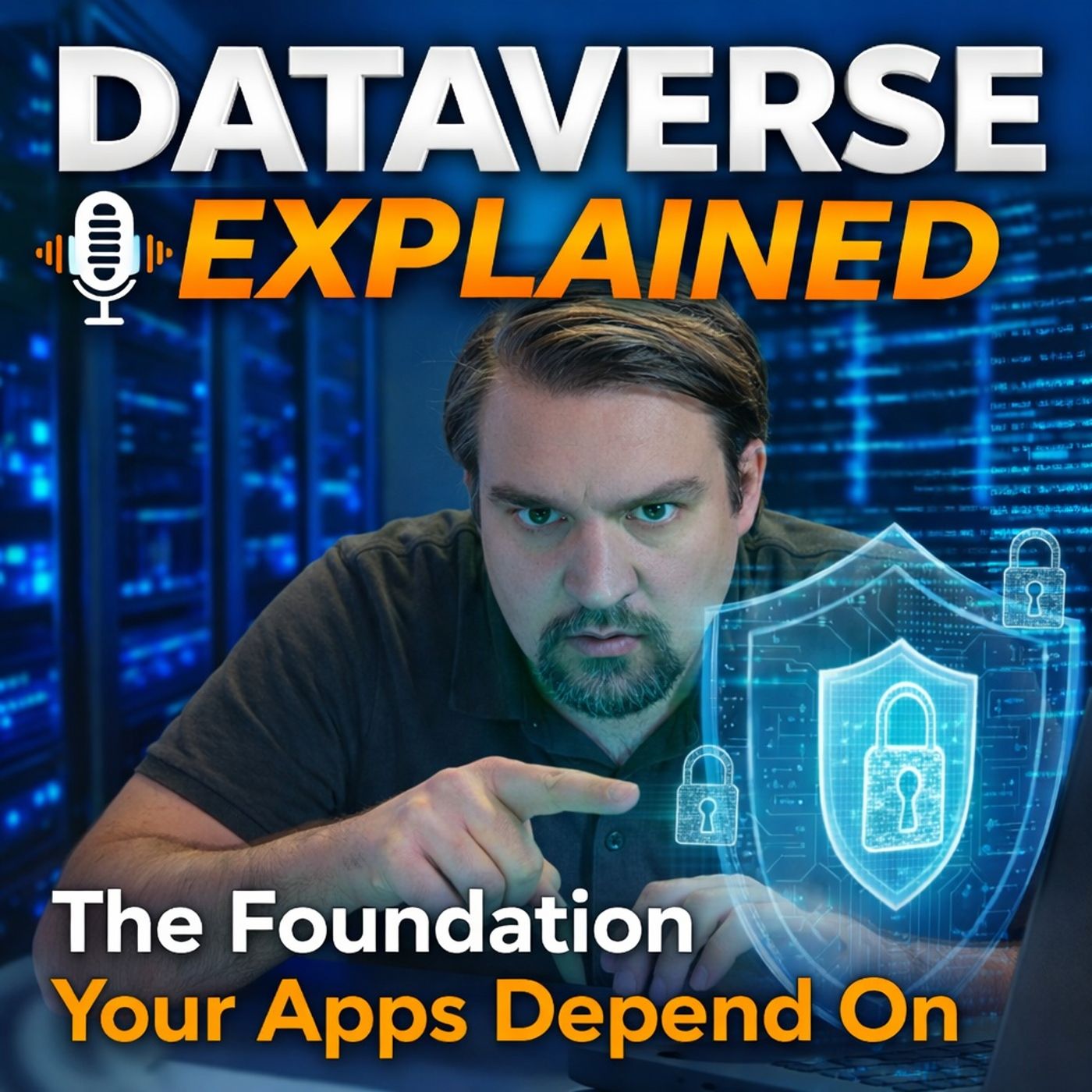
Dataverse Explained: The Foundation Your Apps Depend On
from M365.FM - Modern work, security, and productivity with Microsoft 365 · host Mirko Peters - Founder of m365.fm, m365.show and m365con.net
In this episode of m365.fm, Mirko Peters takes a step back from the usual Power Apps conversation and focuses on what actually determines success or failure long before any app is built: the data foundation. Most teams start with screens, automation, or user experience. But when apps begin to break down after a few months, the root cause is almost never the interface. It is the structure underneath. This episode reframes Dataverse not as a storage solution, but as an operating model that defines how your business behaves at scale. If you are working with Power Apps, Power Automate, or Copilot, this conversation will challenge how you think about architecture, cost, and long-term sustainability inside Microsoft 365.💡 Why This Episode MattersWhat looks fast and efficient at the beginning often becomes fragile under pressure. Excel files multiply, SharePoint lists drift, and suddenly no one fully trusts the data anymore. Teams start compensating with manual work, duplicate records, and endless coordination. This episode explains why that pattern is not a user problem or even a tooling problem. It is a system design problem. And more importantly, it shows how Dataverse changes system behavior by enforcing structure, relationships, ownership, and consistency across your processes.🧠 The Core InsightMost organizations compare tools based on cost or familiarity. They ask whether SharePoint or Excel is “good enough” and treat Dataverse as a premium upgrade. But that comparison misses the real question. You are not choosing where your data lives.You are choosing how your business behaves under load. When your foundation is weak, people compensate. They create copies, side systems, and manual checks. Over time, the system starts negotiating with itself before any real work can happen. Dataverse changes that dynamic by making structure non-optional. Relationships are enforced, ownership is explicit, and data stops drifting across disconnected places. The result is not just cleaner data—it is faster processes, higher trust, and systems that can actually scale.⚙️ What You’ll LearnThroughout the episode, Mirko walks through the hidden cost patterns most teams miss and why “cheap” solutions often become expensive over time. He explains how:Coordination cost silently replaces licensing cost when structure is weakFlat data models lead to duplication, inconsistency, and reporting chaosDelegation limits in SharePoint create incomplete truths inside appsData quality issues are usually system outcomes, not user mistakesCycle time drops dramatically when systems stop requiring interpretationYou will also understand why governance, ownership, and access design are not optional layers, but core parts of your architecture from day one.🏗️ Dataverse as an Operating ModelOne of the most important shifts in this episode is understanding that Dataverse is not about storing records differently. It is about enforcing behavior. Instead of relying on team discipline, the platform itself ensures that data is structured, relationships are preserved, and rules are applied consistently. This reduces ambiguity across the entire system—from apps to automation to reporting and even AI. That is why Dataverse becomes critical the moment your processes move beyond simple tracking into shared, cross-team operations.🤖 Why This Matters for AI and CopilotA major theme in this episode is how AI exposes weak foundations. Many organizations expect Copilot and agents to deliver insights, but the underlying data is fragmented, duplicated, or inconsistent. The result is AI that sounds confident but lacks real grounding. Dataverse provides the structure AI needs to be useful. Because AI does not fail due to lack of intelligence.It fails due to lack of structure.👥 Who This Episode Is For This episode is especially relevant if you are:Designing Power Apps or Power Platform solutionsResponsible for Microsoft 365 architecture or governanceLeading digital transformation or automation initiativesStruggling with data consistency, reporting, or process scalabilityExploring AI and Copilot scenarios on top of business dataIf your organization is growing and your current systems feel increasingly fragile, this episode will give you a new lens to understand why.🚀 Final ThoughtEvery app you build already depends on a foundation. The real question is whether that foundation can hold once the business starts relying on it. Dataverse is not about making your apps better on day one.It is about preventing them from breaking on day one hundred.Become a supporter of this podcast: https://www.spreaker.com/podcast/m365-fm-modern-work-security-and-productivity-with-microsoft-365--6704921/support.
Embed this episode
NOW PLAYING
Dataverse Explained: The Foundation Your Apps Depend On
No transcript for this episode yet
Similar Episodes
No similar episodes found.
Similar Podcasts
No similar podcasts found.