
EPISODE · Jun 25, 2026 · 1H 17M
Dataverse MCP: The End of Custom Integration
from M365.FM - Modern work, security, and productivity with Microsoft 365 · host Mirko Peters - Founder of m365.fm, m365.show and m365con.net
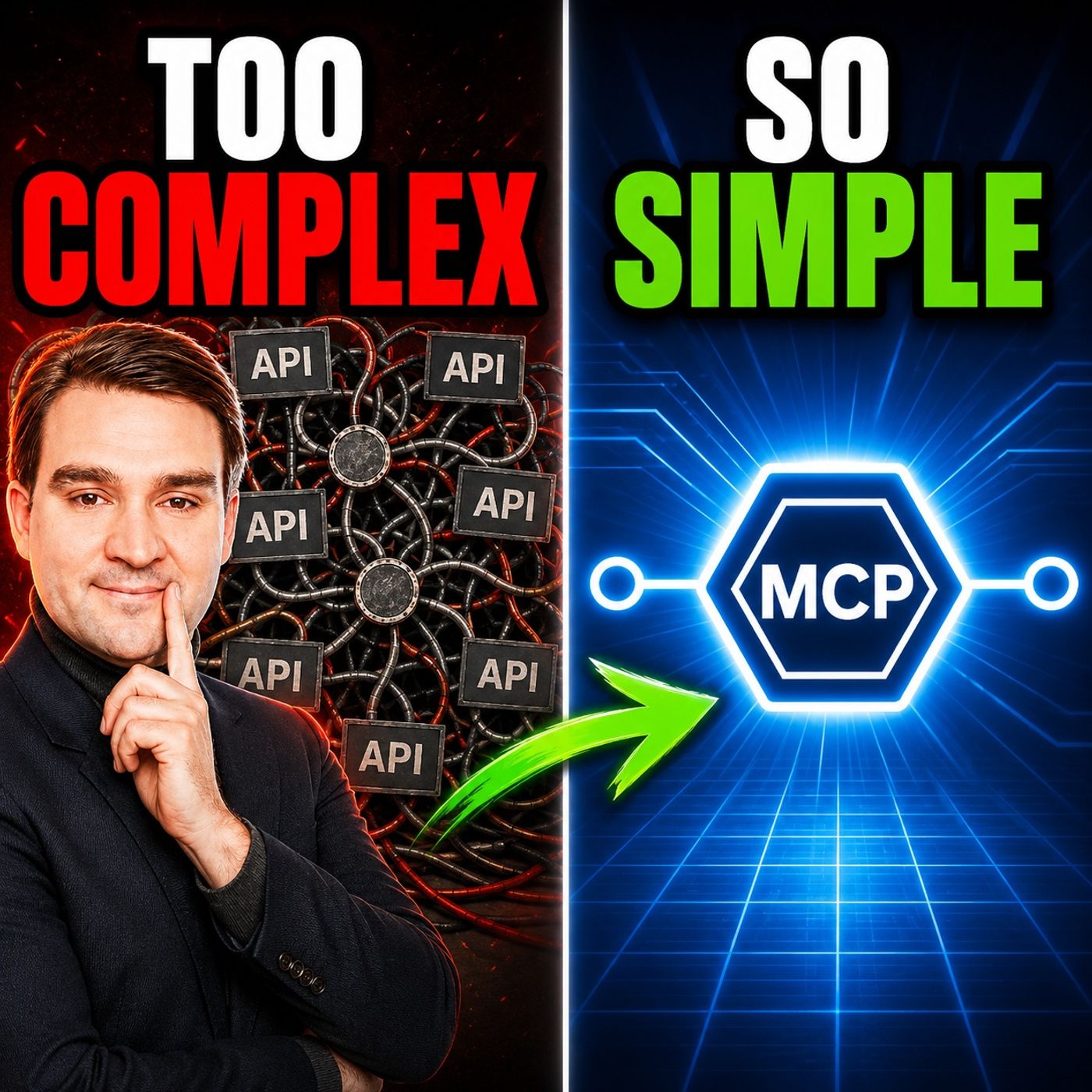
For years, enterprise integration followed a familiar pattern. A new business requirement appeared, a developer built a custom connector, and another bridge was added to an already growing collection of APIs, middleware, and integration services. The model worked. Until AI arrived. In this episode, we explore why the traditional approach to integration is rapidly becoming one of the largest sources of technical debt in modern organizations and how the Model Context Protocol (MCP) is reshaping the relationship between AI systems and enterprise data. The discussion focuses on Microsoft Dataverse, governance, AI agents, security, architecture, and the emerging future of AI-native integration.THE HIDDEN COST OF CUSTOM CONNECTORSMost organizations never intended to create integration sprawl. It happened gradually. One connector became ten. Ten became fifty. Fifty became hundreds. The episode examines how custom integrations create long-term maintenance challenges through:Duplicate integration logicSecurity inconsistenciesDocumentation gapsDependency managementGrowing technical debtListeners learn why integration costs often continue long after the original project has been delivered.WHY AI BREAKS THE OLD INTEGRATION MODELTraditional APIs were designed for applications. Not autonomous agents. As organizations deploy AI systems across multiple business functions, integration requirements increase dramatically. Topics explored include:Agent-driven workflowsDynamic tool discoveryAutonomous decision makingMulti-model architecturesCross-platform orchestrationThe episode explains why building a new connector for every AI tool quickly becomes unsustainable.UNDERSTANDING MODEL CONTEXT PROTOCOL (MCP) At the center of the discussion is MCP, the Model Context Protocol. Rather than creating separate integrations for every AI platform, MCP provides a standardized way for AI systems to discover and interact with tools. Key concepts include:Tool discoveryStandardized interfacesAI-native integrationDynamic schemasPermission-aware accessThe conversation compares MCP to USB-C for enterprise AI, creating a common standard that reduces integration complexity across the organization.DATAVERSE AS AN AI PLATFORM One of the biggest insights from the episode is that Dataverse is evolving beyond its traditional role as a business database. Instead, it is becoming:A context engineAn orchestration layerA semantic business modelA governance platformAn AI-ready control planeThis shift fundamentally changes how organizations think about enterprise data and AI automation.THE DATAVERSE MCP CONNECTOR Microsoft's Dataverse MCP connector introduces a new way for AI systems to interact with business data. Rather than creating custom APIs and wrappers, organizations can expose governed business capabilities directly through MCP. The episode explores:Dataverse MCP architectureAI client integrationSecurity inheritanceTool exposure modelsGovernance benefitsThe result is a dramatically simplified approach to enterprise AI integration.PERFORMANCE VS CAPABILITY MCP introduces additional abstraction compared to direct REST APIs. While this creates some latency overhead, the discussion highlights why raw speed is often the wrong metric. Topics include:Token efficiencyDynamic schema loadingReduced prompt complexityLower AI operating costsBetter autonomous behaviorThe episode argues that AI effectiveness often matters more than request latency.THE GOVERNANCE CHALLENGE Technology alone is not enough. As MCP adoption increases, governance becomes one of the most critical success factors. The conversation explores:Data Loss Prevention limitationsAdvanced Connector PoliciesAuditability concernsPermission boundariesRegulatory complianceListeners gain practical insight into why governance must be designed before deployment rather than after.AI IDENTITIES AND ACCOUNTABILITY One of the most fascinating sections focuses on identity management for autonomous systems. Important questions include:Who performed the action?Was it the human or the AI?Who owns the decision?How do you audit autonomous workflows?The episode examines Microsoft's emerging approach using Entra ID Agent Identities and why attribution will become a cornerstone of enterprise AI governance.MCP SECURITY AND NEW ATTACK SURFACES Every new architectural model introduces new security considerations. The discussion covers:Tool poisoning attacksPrompt injection risksSupply chain vulnerabilitiesOver-privileged serversAI-specific threat modelsOrganizations must understand these risks before exposing business-critical capabilities to autonomous systems.FROM POINT-TO-POINT TO HUB-AND-SPOKEA major architectural shift highlighted in the episode is the move away from point-to-point integrations. Instead of building countless custom bridges, organizations can create domain-specific MCP servers that act as centralized integration hubs. Benefits include:Simplified governanceCentralized auditingReduced maintenanceFaster onboardingGreater scalabilityThis approach transforms integration from a project-based activity into a reusable platform capability.DATAVERSE AS A CONTEXT ENGINE Perhaps the most important strategic takeaway is that AI systems consume context differently than humans. This means organizations must rethink:Metadata qualityField descriptionsRelationship modelingBusiness semanticsContext engineeringBecome a supporter of this podcast: https://www.spreaker.com/podcast/m365-fm-modern-work-security-and-productivity-with-microsoft-365--6704921/support.
Embed this episode
What this episode covers
For years, enterprise integration followed a familiar pattern. A new business requirement appeared, a developer built a custom connector, and another bridge was added to an already growing collection of APIs, middleware, and integration services. The model worked. Until AI arrived. In this episode, we explore why the traditional approach to integration is rapidly becoming one of the largest sources of technical debt in modern organizations and how the Model Context Protocol (MCP) is reshaping the relationship between AI systems and enterprise data. The discussion focuses on Microsoft Dataverse, governance, AI agents, security, architecture, and the emerging future of AI-native integration. THE HIDDEN COST OF CUSTOM CONNECTORS Most organizations never intended to create integration sprawl. It happened gradually. One connector became ten. Ten became fifty. Fifty became hundreds. The episode examines how custom integrations create long-term maintenance challenges through: Duplicate integration logic Security inconsistencies Documentation gaps Dependency management Growing technical debt Listeners learn why integration costs often continue long after the original project has been delivered. WHY AI BREAKS THE OLD INTEGRATION MODEL Traditional APIs were designed for applications. Not autonomous agents. As organizations deploy AI systems across multiple business functions, integration requirements increase dramatically. Topics explored include: Agent-driven workflows Dynamic tool discovery Autonomous decision making Multi-model architectures Cross-platform orchestration The episode explains why building a new connector for every AI tool quickly becomes unsustainable. UNDERSTANDING MODEL CONTEXT PROTOCOL (MCP) At the center of the discussion is MCP, the Model Context Protocol. Rather than creating separate integrations for every AI platform, MCP provides a standardized way for AI systems to discover and interact with tools. Key concepts include: Tool discovery Standardized interfaces AI-native integration Dynamic schemas Permission-aware access The conversation compares MCP to USB-C for enterprise AI, creating a common standard that reduces integration complexity across the organization. DATAVERSE AS AN AI PLATFORM One of the biggest insights from the episode is that Dataverse is evolving beyond its traditional role as a business database. Instead, it is becoming: A context engine An orchestration layer A semantic business model A governance platform An AI-ready control plane This shift fundamentally changes how organizations think about enterprise data and AI automation. THE DATAVERSE MCP CONNECTOR Microsoft's Dataverse MCP connector introduces a new way for AI systems to interact with business data. Rather than creating custom APIs and wrappers, organizations can expose governed business capabilities directly through MCP. The episode explores: Dataverse MCP architecture AI client integration Security inheritance Tool exposure models Governance benefits The result is a dramatically simplified approach to enterprise AI integration. PERFORMANCE VS CAPABILITY MCP introduces additional abstraction compared to direct REST APIs. While this creates some latency overhead, the discussion highlights why raw speed is often the wrong metric. Topics include: Token efficiency Dynamic schema loading Reduced prompt complexity Lower AI operating costs Better autonomous behavior The episode argues that AI effectiveness often matters more than request...
NOW PLAYING
Dataverse MCP: The End of Custom Integration
No transcript for this episode yet
Similar Episodes
No similar episodes found.
Similar Podcasts
No similar podcasts found.