
EPISODE · Aug 20, 2026 · 4 MIN
Day 315 - High Peaks and Happy Endings
from The 365 Commitment · host Guy Reams
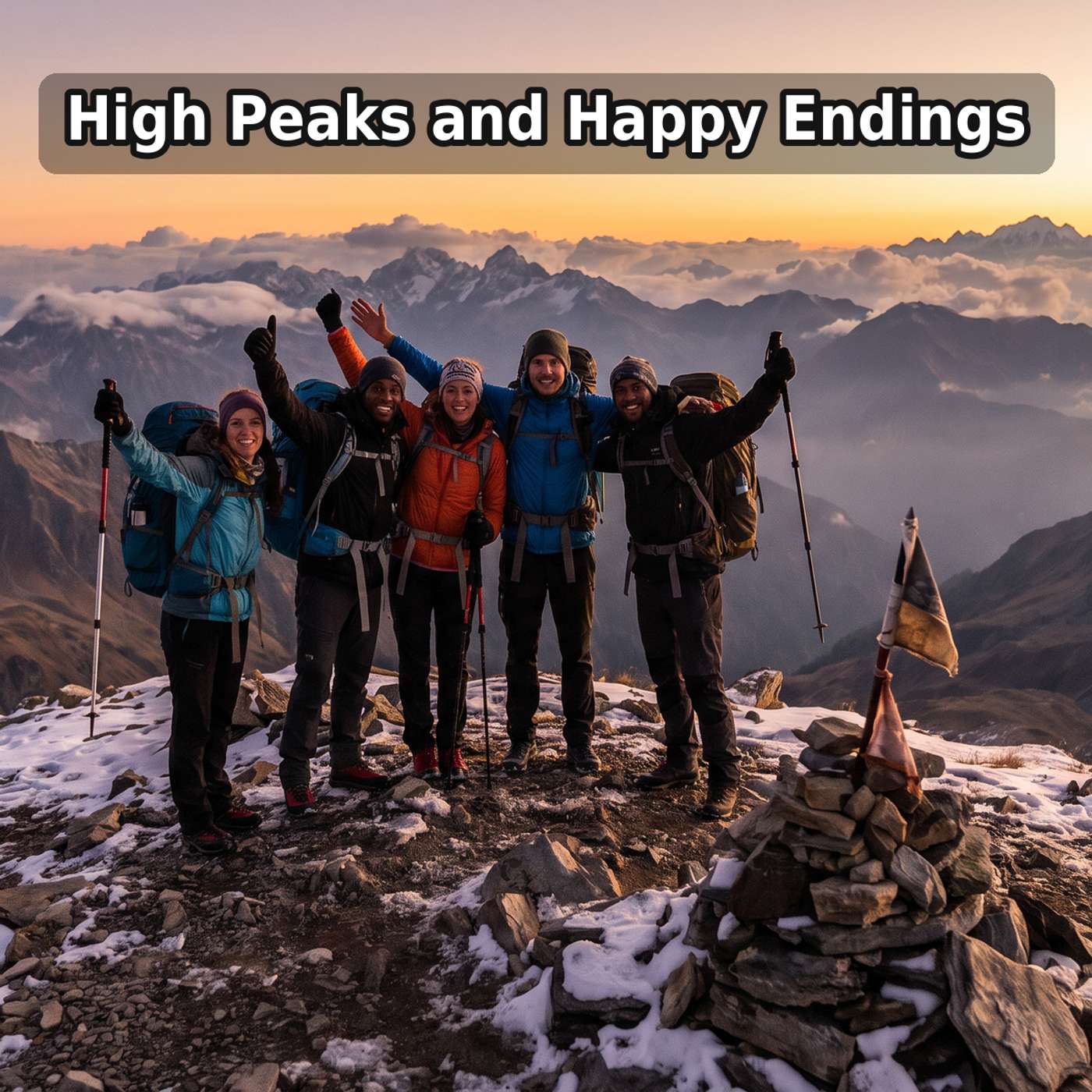
This discussion is a nod to the work by Barbara Fredrickson and Daniel Kahneman. In their 1993 paper, Duration Neglect in Retrospective Evaluations of Affective Episodes, Fredrickson and Kahneman contrasted two ways the mind might evaluate an experience. One possibility is that memory works something like a movie: we mentally integrate the experience over time. If an unpleasant experience lasts twice as long, it should generally be remembered as worse because there was more total suffering. Their alternative was essentially a snapshot model. Memory preserves selected moments rather than integrating every second equally. Some moments receive much more weight than others. Essentially, the point of this research was to figure out why our memory of events is not always accurate. Some people will see the same experience as good and others will see it as bad. Why is this? I have had personal experience with this. Years ago, I took a group of young people on a backpacking expedition in Wyoming. When we were done, they were making exclamations like, "This was the worst experience of my life," and "I will never, never ever do this again." Yet two years later, they were enthusiastic about their next crazy adventure. They were saying things like, "I love backpacking; it is so awesome; I cannot wait to go again," and "the last trip we went on was epic." They seemed to forget the pain and anguish. They forgot all the troubles, the challenges, and the problems. They remembered the moment of triumph; they remembered the time we got to the top of the mountain, and they remembered the finish. The happy ending where we all got into our cars and headed toward a nice restaurant and a hotel with running water. Speaking of water, this was one of the experiments that the researchers did. They had people hold their hand under cold water, cold enough to where it was uncomfortable. They held their hand there for a minute. They did two things. In one group, they just kept the water the same temperature; in the other group, they added 15 seconds at the end where the water temperature was raised slightly. This caused a feeling of relief at the end. Consequently, the people who participated in that experiment chose to prefer the experiment with the slight warmth at the end rather than the shorter, colder version. Which goes to prove that humans like happy endings. However, they also like peak moments of triumph equally as well. In essence: A better ending changed the memory of the entire experience enough that people voluntarily chose more total pain. And so I took the kids on an even tougher trip this time. A brutal hike through some of the most rugged country imaginable. It was brutal; one of them even got a free ride in an emergency helicopter. However, they ended big. They got out of the wilderness by fording rivers, and we ended up eating a great meal at a downtown restaurant. Although they were all complaining and muttering at the end, my bet is that, in a few years from now, they will remember this as one of the greatest experiences of their lives. The interesting concept to capture here is that experienced life and remembered life are not identical. If you are intentionally designing an experience, whether a vacation, a customer relationship, a course, a meeting, a challenge, or even a year-long commitment, you should think not only about making the overall experience good, but about deliberately creating memorable peaks and meaningful endings.
Embed this episode
What this episode covers
This article explores how our memory of experiences is not always accurate, drawing on research by Barbara Fredrickson and Daniel Kahneman. It highlights that people tend to remember peak moments and happy endings more vividly than the duration of discomfort, influencing their overall perception of an event.
Ready to play
Day 315 - High Peaks and Happy Endings
No transcript for this episode yet
Similar Episodes
No similar episodes found.
Similar Podcasts
No similar podcasts found.