
EPISODE · Sep 10, 2026 · 3 MIN
Day 336 - Your Presenteeism is Not Useful
from The 365 Commitment · host Guy Reams
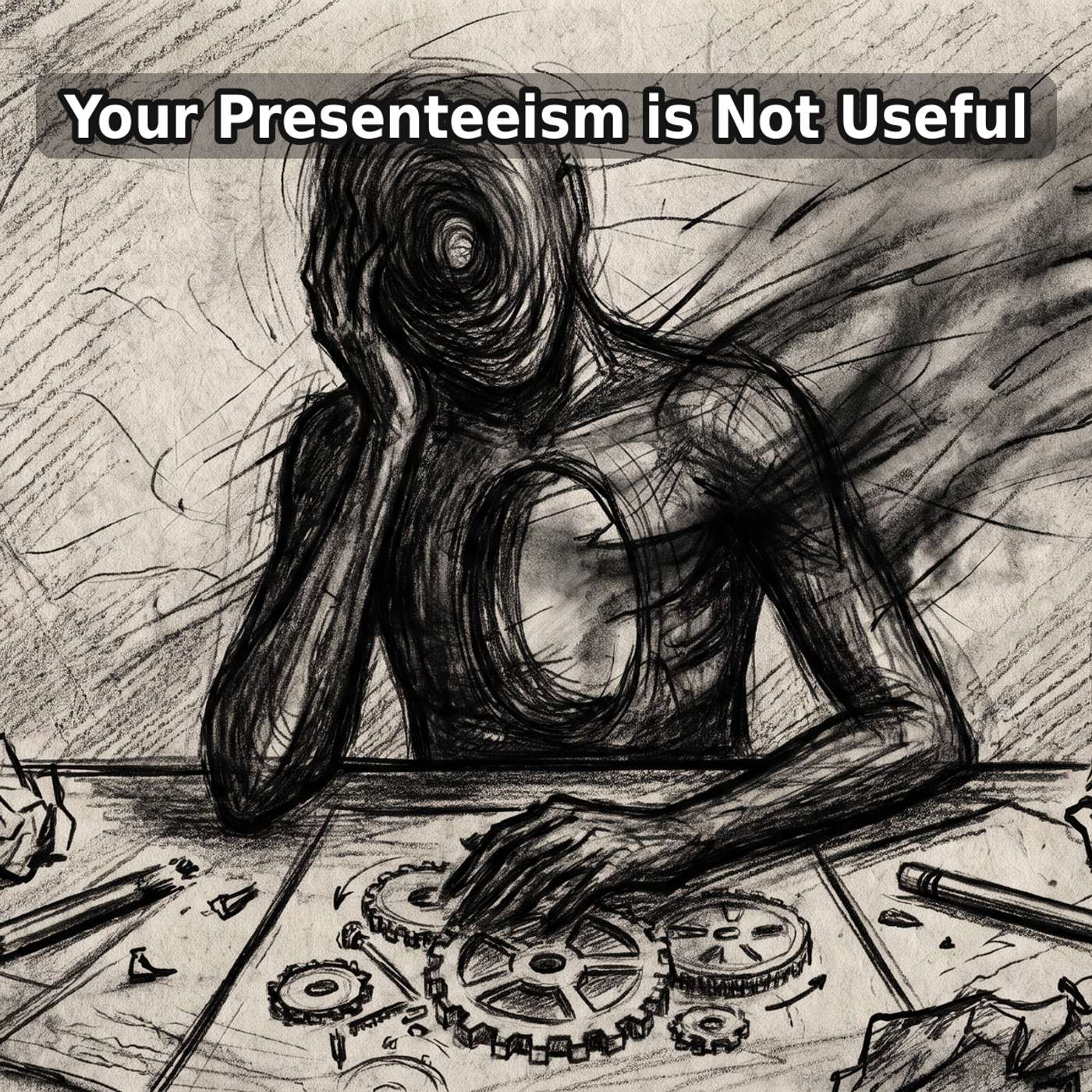
The question is not: "Can I force myself to work today?" The better question is: "Will working today increase or decrease my total usefulness this week?" Many of us believe that by showing up and being present, we are at least doing something. I at least showed up is the prevailing thought in our minds. We practice presenteeism. We keep working while sick, depleted, sleep-deprived, or otherwise functioning well below capacity. Unlike absenteeism, you are technically working, but your output per hour can be dramatically lower, mistakes increase, and recovery may take longer. We don't do the math correctly here. We think we do, but in reality we make the effort-recovery model worse by forcing ourselves to work when we're performing suboptimally. The funny thing is that we instinctively know this; we just choose to ignore it because we somehow believe being present is automatically better than being absent. The science behind recovery, in things like muscle development, is conclusive. The basic idea is that exertion creates physiological and psychological load, and recovery returns you toward baseline. If you keep applying effort without adequate recovery, the load accumulates. In that situation, five days at 40% capacity can sometimes be worse than taking a day or two largely off and then returning at 90–100%. When you show up and perform sub-optimally, you create recovery debt. You think you are helping, but in reality you are extending recovery time. The cycle is: work while depleted → accomplish less → recover more slowly → remain depleted → continue working inefficiently. We are all guilty of this, and we've created a vicious cycle where you feel like you've worked all week but have surprisingly little to show for it. The core principle to remember is: Rest can be an investment in future productive capacity rather than the absence of productivity. However, do keep in mind. Rest isn't watching Netflix all day while eating ice cream. If that is your solution, then just go ahead and muddle through the workday because you are NOT recovering. Lie to yourself all that you want, but this is simply not rest. Often the fastest recovery is deliberate recovery: sleep, food, hydration, sunlight, walking, low cognitive demand, reduced obligations, and genuinely disconnecting from work. So, maybe it's less about pushing through every single moment and more about finding that sweet spot where you're actually building yourself up, not just wearing yourself down. It's like, instead of just trying to fill every minute with "doing," we could try to be a bit more intentional about how we recharge. Think of it as giving yourself the best chance to show up as your best self, not just showing up.
Embed this episode
What this episode covers
This article challenges the common belief that simply being present at work, even when performing suboptimally, is beneficial. It argues that 'presenteeism' can lead to decreased output, increased mistakes, and prolonged recovery, ultimately creating a 'recovery debt.' The piece advocates for deliberate rest as an investment in future productivity, emphasizing that true recovery involves activities like sleep, proper nutrition, and disconnecting from work, rather than passive leisure.
Ready to play
Day 336 - Your Presenteeism is Not Useful
No transcript for this episode yet
Similar Episodes
Similar Podcasts
No similar podcasts found.