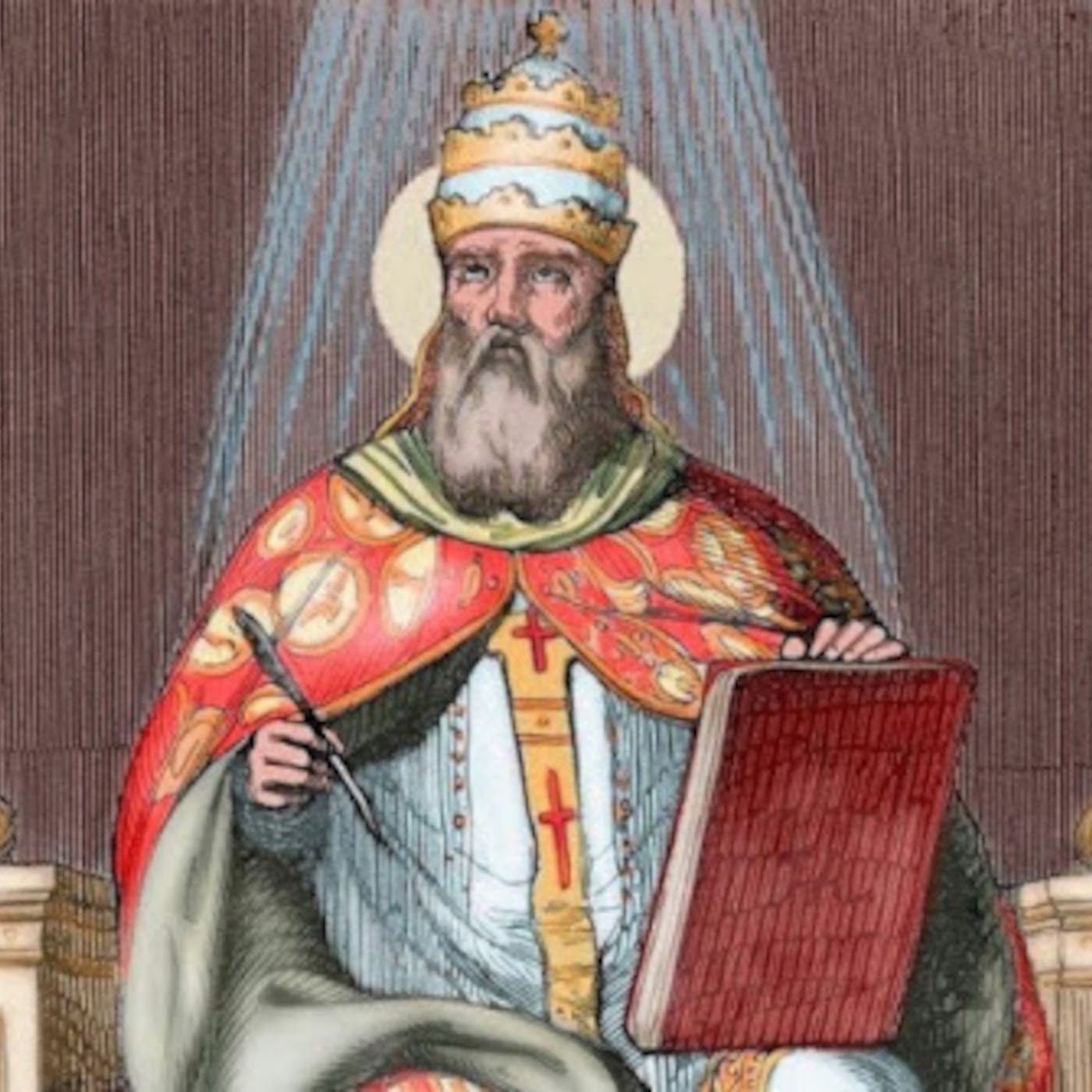
December 11: Saint Damasus I, Pope
from Catholic Saints & Feasts Hosted by Fr. Michael Black
December 11: Saint Damasus I, Pope c. 305–384 Optional Memorial; Liturgical Color: White Patron Saint of Archaeologists A dynamic pope mentors Jerome and embellishes catacombs Damasus reigned in the era when the popes died in their beds. The long winter of Roman oppression had ended. The arenas were empty. Christians were still occasionally martyred, but not in Rome. The many popes of the 200s who were exiled, murdered, or imprisoned were consigned to history by the late 300s. The Church was not merely legal by Damasus’ time but was established, by decree, in 380 as the official religion of the Roman Empire. The slow-motion crumbling of paganism was such that Christian Senators and Pope Damasus petitioned the emperor that a prominent and famed Altar of Victory in the Senate be removed. The request was granted. No more Vestal Virgins, pagan priests reading entrails, a Pontifex Maximus, or auguries either. The Church was in the ascendancy. As Rome’s military prowess deteriorated and the Eastern Empire was theologically mangled by the Arian controversy, the Bishop of Rome’s importance swelled. Pope Damasus rode the first wave of these historical and religious trends. He was perhaps the first pope to rule with swagger. Damasus was of Spanish origins, and his father was likely a married priest serving in Rome’s church of the martyr Saint Lawrence. Damasus was probably a deacon in that same church. He was elected Bishop of Rome in 366 but not without some controversy. A rival was aggressively supported by a violent minority who defamed Damasus, though they never removed him. Damasus cared for theology and held two synods in Rome, one of which excommunicated the Arian Bishop of Milan, making way for Saint Ambrose to later hold that see. Pope Damasus also sent legates to the First Council of Constantinople in 381, which reiterated and sharpened the language of the Creed developed at Nicea in 325. Perhaps Damasus’ greatest legacy is not directly his own. He employed a talented young priest-scholar named Jerome as his personal secretary. It was Damasus who instructed Jerome to undertake his colossal, lifelong task of compiling from the original Greek and Hebrew texts a new Latin version of the Old and New Testaments to replace the poorly translated Old Latin Bibles then in use. The Vulgate, as Jerome’s work is known, has been the official Bible of the Catholic Church since its completion. Description automatically generatedRome’s theological ascendancy made its bishop the Empire’s primary source and focus of unity. This, in turn, led to accusations, first aired in Damasus’ time, that Rome’s prelates lived in excessive grandeur. One pagan senator said mockingly that if he could live like a bishop he would gladly become a Christian. Similar charges would hound Rome throughout history. But Damasus strictly enforced a decree prohibiting clergy from accepting gifts from widows and orphans, and he himself lived a holy life. He restored his father’s house church, now called Saint Lawrence in Damasus. The church still reflects its origins and is found inside of a larger building, just where a house church would have been located in ancient times. Pope Damasus also left a beautiful legacy in Rome’s catacombs, a legacy which has only been fully appreciated due to modern archeological excavations. Damasus was very devoted to Rome’s martyrs and embellished many of their tombs with brief Latin inscriptions. The papal crypt in the Catacombs of Saint Callixtus still houses the original marble slab engraved with Damasus’ moving eulogy to the popes and martyrs entombed nearby. The epitaph ends with Damasus stating that although he wished to be buried in that crypt, he did not want to offend such holy remains with his presence. But Damasus composed his most tender epitaph for his own tomb: “He who walking on the sea could calm its bitter waves; He who gives life to dying seeds of the earth; He who was able to loose the mortal chains of death, and after three days’ darkness could bring forth the brother for his sister Martha; He, I believe, will make Damasus rise anew from his ashes.” Damasus was clearly a Christian first and a pope second. Saint Damasus, you led the Church with a mixture of theological acumen, administrative competence, holy witness, and artistic flourish. Intercede in heaven for all who exercise headship in the Church to lead Her with attributes similar to your own.
Embed this episode
No transcript yet.