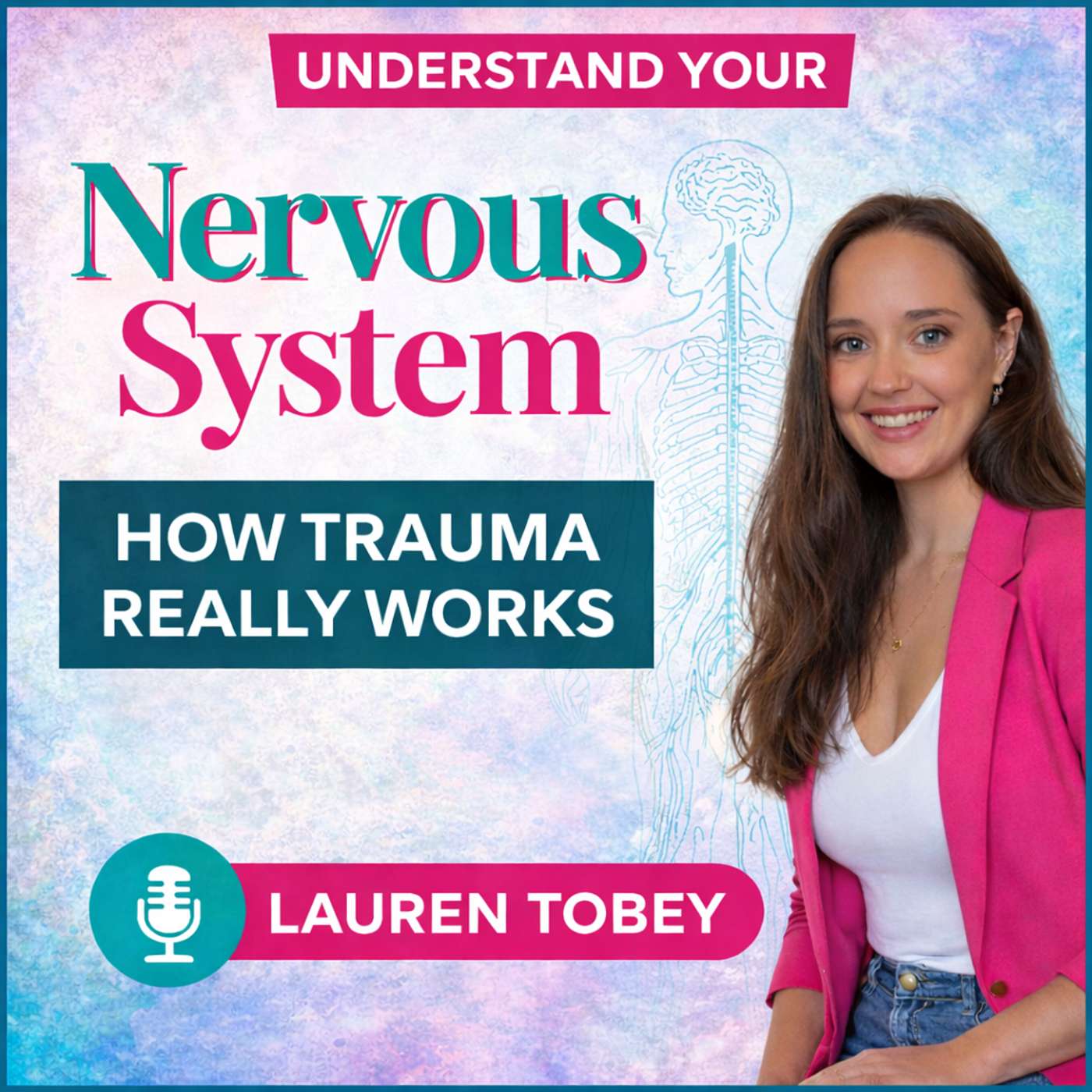
Decoding Stress: Navigating Your Nervous System episode artwork

EPISODE · Feb 21, 2026 · 23 MIN

Decoding Stress: Navigating Your Nervous System

from The Spiral | The Science of Stress, Burnout, and Why You Feel the Way You Feel · host Lauren Tobey

Your Nervous System Is the Operating System: Safe & Social, Fight or Flight, and Shutdownhttps://laurentobey.com/connect Lauren Tobey explains the nervous system in accessible, non-clinical terms (not medical advice), describing it as the body’s “operating system” that prioritizes survival over happiness and often reacts before the conscious mind. She outlines three hierarchical modes—safe and social (regulated connection), activation/fight-or-flight (mobilized stress energy), and shutdown (numb, foggy conservation when resources feel insufficient)—and introduces “high-functioning shutdown,” especially common after prolonged relational stress, workplace toxicity, unsupported caregiving, or unsafe childhood emotional environments. She emphasizes that you can’t think your way from shutdown to regulation; you must move through activation, which can feel like a messy middle as emotions return (“the ember”). She describes how the nervous system automatically scans for safety/danger cues and pattern-matches past experiences to present triggers, using her own example of “cleithrophobia” (fear of being unable to escape) rather than claustrophobia. Practical takeaways include stopping self-blame, identifying your current state before choosing tools, expecting discomfort during thawing, and trusting the cyclical nature of nervous system states. She invites viewers to her book, "Spiraling Into Control" (available February 27), and the community at laurentoby.com/connect, previews next week’s topic about survival strategies persisting after the original threat is gone, and asks listeners to subscribe, rate, review, and share.00:00 Welcome Back + Why This Episode Goes Deeper Into the Science02:09 You’re Not in Charge: The Nervous System as Your Operating System04:36 Mode 1 — Safe & Social: Where Connection and Clear Thinking Live05:41 Mode 2 — Activation: Fight/Flight in the Modern World07:26 Mode 3 — Shutdown: Numbness, Fog, and “High-Functioning” Survival10:01 The Hierarchy: Why You Can’t Skip Levels (and Why Tools Don’t Work Yet)12:41 Neuroception: Your Body Scans for Safety Faster Than Your Brain15:50 Pattern Matching & Triggers: When the Present Feels Like the Past17:53 What To Do With This: Stop Shame, Orient Your State, Expect the Messy Middle20:18 Trust the Cycle + Closing Thoughts, Book/Community, and What’s Next

Your Nervous System Is the Operating System: Safe & Social, Fight or Flight, and Shutdownhttps://laurentobey.com/connect Lauren Tobey explains the nervous system in accessible, non-clinical terms (not medical advice), describing it as the body’s “operating system” that prioritizes survival over happiness and often reacts before the conscious mind. She outlines three hierarchical modes—safe and social (regulated connection), activation/fight-or-flight (mobilized stress energy), and shutdown (numb, foggy conservation when resources feel insufficient)—and introduces “high-functioning shutdown,” especially common after prolonged relational stress, workplace toxicity, unsupported caregiving, or unsafe childhood emotional environments. She emphasizes that you can’t think your way from shutdown to regulation; you must move through activation, which can feel like a messy middle as emotions return (“the ember”). She describes how the nervous system automatically scans for safety/danger cues and pattern-matches past experiences to present triggers, using her own example of “cleithrophobia” (fear of being unable to escape) rather than claustrophobia. Practical takeaways include stopping self-blame, identifying your current state before choosing tools, expecting discomfort during thawing, and trusting the cyclical nature of nervous system states. She invites viewers to her book, "Spiraling Into Control" (available February 27), and the community at laurentoby.com/connect, previews next week’s topic about survival strategies persisting after the original threat is gone, and asks listeners to subscribe, rate, review, and share.00:00 Welcome Back + Why This Episode Goes Deeper Into the Science02:09 You’re Not in Charge: The Nervous System as Your Operating System04:36 Mode 1 — Safe & Social: Where Connection and Clear Thinking Live05:41 Mode 2 — Activation: Fight/Flight in the Modern World07:26 Mode 3 — Shutdown: Numbness, Fog, and “High-Functioning” Survival10:01 The Hierarchy: Why You Can’t Skip Levels (and Why Tools Don’t Work Yet)12:41 Neuroception: Your Body Scans for Safety Faster Than Your Brain15:50 Pattern Matching & Triggers: When the Present Feels Like the Past17:53 What To Do With This: Stop Shame, Orient Your State, Expect the Messy Middle20:18 Trust the Cycle + Closing Thoughts, Book/Community, and What’s Next

NOW PLAYING

Decoding Stress: Navigating Your Nervous System

0:00 23:14

No transcript for this episode yet

We transcribe on demand. Request one and we'll notify you when it's ready — usually under 10 minutes.

No similar episodes found.

No similar podcasts found.

Frequently Asked Questions

How long is this episode of The Spiral | The Science of Stress, Burnout, and Why You Feel the Way You Feel?

This episode is 23 minutes long.

When was this The Spiral | The Science of Stress, Burnout, and Why You Feel the Way You Feel episode published?

This episode was published on February 21, 2026.

What is this episode about?

Your Nervous System Is the Operating System: Safe & Social, Fight or Flight, and Shutdownhttps://laurentobey.com/connect Lauren Tobey explains the nervous system in accessible, non-clinical terms (not medical advice), describing it as the body’s...

Is there a transcript available for this episode?

Yes, a full transcript is available for this episode. You can read the complete transcript on the episode page.

Can I download this The Spiral | The Science of Stress, Burnout, and Why You Feel the Way You Feel episode?

Yes, you can download this episode by clicking the download button on the episode player, or subscribe to the podcast in your preferred podcast app for automatic downloads.
URL copied to clipboard!