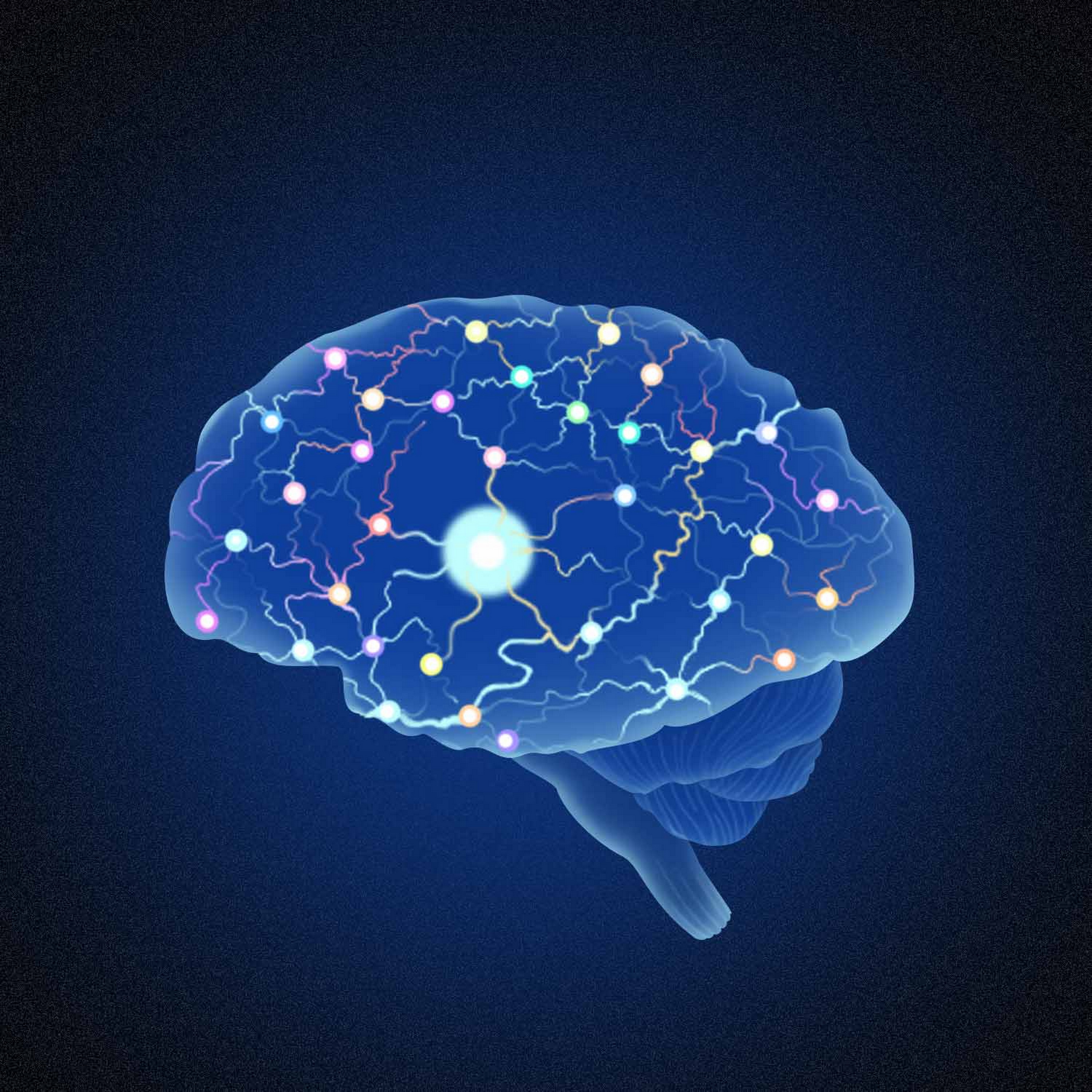
Decoding the Enigma: A Summary of Consciousness and the Brain
from Bookey App 30 mins Book Summaries Knowledge Notes and More
Chapter 1 What's Consciousness and the Brain Book by Stanislas Dehaene "Consciousness and the Brain: Deciphering How the Brain Codes Our Thoughts" is a book written by Stanislas Dehaene, a renowned cognitive neuroscientist. Published in 2014, the book explores the relationship between consciousness and the workings of the brain. Dehaene delves into the fascinating field of neurobiology, discussing how the brain generates different states of awareness and determines our thoughts and perceptions. He explores various experiments, observations, and theories, providing insights into the neural mechanisms that underlie consciousness. Dehaene's book aims to bridge the gap between the field of neuroscience and the concept of consciousness, offering a comprehensive understanding of how our brains give rise to our conscious experiences. Chapter 2 Is Consciousness and the Brain Book A Good Book Yes, "Consciousness and the Brain" by Stanislas Dehaene is generally considered a good book. It is highly regarded among scientists and scholars in the field of neuroscience and consciousness studies. Dehaene presents a comprehensive and accessible exploration into the relationship between consciousness and the brain, drawing on both scientific research and philosophical insights. The book offers valuable insights and theories related to the nature of consciousness and how it arises from neural processes. However, as with any book, opinions may vary, so it is a good idea to read reviews and sample some of the content before determining if it aligns with your specific interests and preferences. Chapter 3 Consciousness and the Brain Book by Stanislas Dehaene Summary "Consciousness and the Brain: Deciphering How the Brain Codes Our Thoughts" is a book written by Stanislas Dehaene, a renowned cognitive neuroscientist. In this book, Dehaene explores the relationship between consciousness and the brain, aiming to unravel the mechanisms that underlie our thoughts. The book begins with an introduction to the concept of consciousness and the historical debates surrounding it. Dehaene acknowledges that consciousness is a complex phenomenon that has been difficult to understand and define. He then proposes a fresh perspective on consciousness, suggesting that it should be viewed as a representational system in the brain. Dehaene delves into the research and discoveries in the field of neurobiology to support his theories. He introduces the concept of neuronal workspace, which refers to a global workspace in the brain where information from different cognitive functions is integrated. This concept helps explain how we become aware of certain thoughts and disregard others. The book explores various aspects of consciousness, including perception, attention, and decision-making. Dehaene discusses experiments and studies that have shed light on these processes, emphasizing the role of the brain in shaping our conscious experiences. Moreover, Dehaene investigates altered states of consciousness, such as those induced by anesthesia or coma. He examines the patterns of brain activity observed in these states and tries to understand the underlying mechanisms that lead to a loss of consciousness. Throughout the book, Dehaene skillfully combines scientific evidence with philosophical reflections. He addresses questions such as the nature of free will and the relationship between the brain and the mind. Dehaene draws on his extensive research and expertise to offer compelling arguments and theories that challenge traditional views. In conclusion, "Consciousness and the Brain" by Stanislas Dehaene is a thought-provoking exploration of the profound relationship between our conscious experiences and the workings of the brain. Dehaene's interdisciplinary approach and engaging writing style make this book accessible to both scientists and non-specialists interested in understanding the mysteries of the conscious mind. Chapter 4 Consciousness and the Brain Book Author Stanislas Dehaene is a French neuroscientist and cognitive psychologist, known for his research on consciousness, numerical cognition, and reading. He is currently a Professor of Experimental Cognitive Psychology at the Collège de France and the Director of the Cognitive Neuroimaging Unit at INSERM (French National Institute of Health and Medical Research), located in France. Dehaene's book "Consciousness and the Brain: Deciphering How the Brain Codes Our Thoughts" was published in 2014. In this book, he explores the neural mechanisms underlying consciousness, proposing a global neuronal workspace theory of consciousness. Apart from "Consciousness and the Brain," Dehaene has written several other books, including: 1. "The Number Sense: How the Mind Creates Mathematics" (1997): This book investigates the cognitive processes involved in numerical cognition and explores the evolution of the number sense across different species. 2. "Reading in the Brain: The Science and Evolution of a Human Invention" (2009): Dehaene delves into the neural mechanisms of reading and provides insights into how our brains process written language. 3. "How We Learn: Why Brains Learn Better Than Any Machine... for Now" (2020): Co-written with Stanislas Dehaene's wife, Ghislaine Dehaene-Lambertz, this book explores the cognitive processes and neural mechanisms of learning, highlighting the differences between human and artificial intelligence. Regarding the best edition of Dehaene's books, it is subjective and depends on personal preferences. However, "Consciousness and the Brain" is highly regarded as an important work in the field of neuroscience and has been positively received by both scientists and the general public. Chapter 5 Consciousness and the Brain Book Meaning & Theme Consciousness and the Brain Book Meaning The book "Consciousness and the Brain" by Stanislas Dehaene is a comprehensive exploration of the neural processes that underlie conscious awareness. Dehaene, a cognitive neuroscientist, examines the complex relationship between subjective experiences and the physical workings of the brain. The main focus of the book is to bridge the gap between the philosophical understanding of consciousness and the empirical findings in neuroscience. Dehaene delves into various topics, including perception, attention, memory, decision making, and self-awareness, and explores how these cognitive processes are influenced by the underlying neural structures and dynamics. Dehaene argues that consciousness is not a single entity but rather a collection of interrelated processes that emerge from the complex interactions between neurons in the brain. He uncovers the neural markers of consciousness by examining brain imaging studies, neurophysiological experiments, and clinical observations. Through this approach, Dehaene strives to provide a scientific framework for understanding consciousness and shed light on its fundamental mechanisms. Furthermore, Dehaene explores the implications of his findings for various aspects of human life, including language, learning, creativity, and even ethical decision making. He also discusses the potential use of his research in medical and therapeutic interventions for disorders of consciousness. Overall, Dehaene's book offers a multidisciplinary perspective on the nature of consciousness, drawing on philosophy, psychology, neuroscience, and other fields. It aims to unravel the mysteries of our conscious experiences and provide a deeper understanding of the relationship between the brain and the mind. Consciousness and the Brain Book Theme The main theme of the book "Consciousness and the Brain" by Stanislas Dehaene is the exploration of the relationship between consciousness and the underlying brain processes. Dehaene investigates the neural mechanisms that give rise to conscious experiences and seeks to uncover the mysteries of human consciousness. Throughout the book, Dehaene delves into various topics related to the study of consciousness, such as the neural correlates of consciousness, the difference between conscious and unconscious processing, the role of attention in shaping conscious experiences, and the impact of neural disorders on consciousness. One prominent theme in the book is the idea that consciousness arises from the interactions of large-scale brain networks. Dehaene emphasizes the importance of understanding the complex interactions among different brain regions involved in conscious awareness. He explores how the brain integrates information from different sensory modalities and processes it to form a coherent conscious experience. Another theme highlighted by Dehaene is the distinction between conscious and unconscious processing. He explains how certain stimuli can reach our brain and influence our behavior without us being aware of their presence. Dehaene provides empirical evidence and theoretical explanations to shed light on the mechanisms underlying unconscious processing and its relationship to conscious awareness. Furthermore, the book explores the notion of attention as a crucial factor in determining what we consciously perceive. Dehaene discusses how attentional mechanisms selectively filter and amplify particular sensory inputs, shaping our conscious experiences. He also investigates the different types of attention, such as endogenous and exogenous attention, and how they...
Embed this episode
No transcript yet.