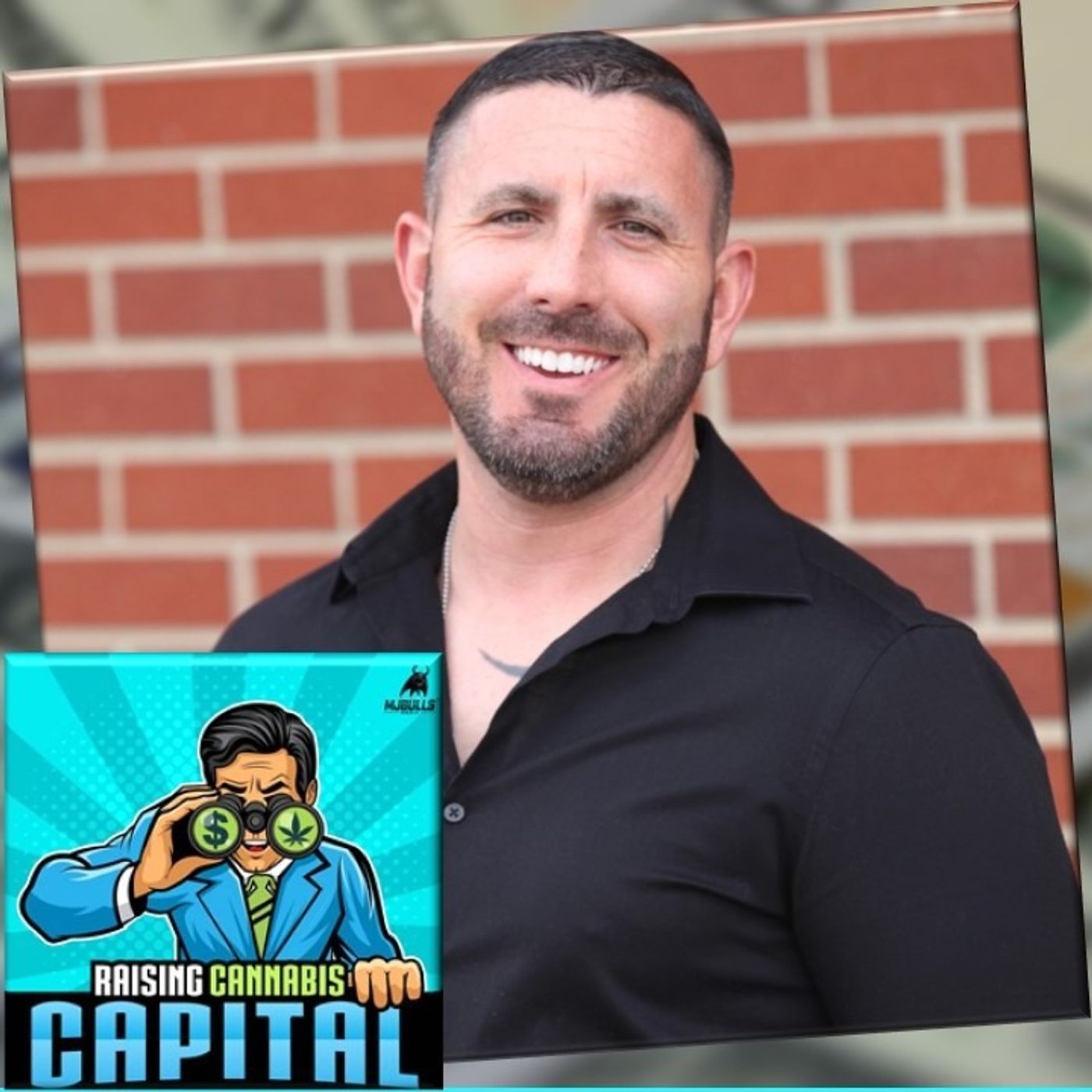
It was 18 months. So think of it as a year and a half of that which from the initial negotiation phases and then into the actual where the transaction occurs And then of course you're not always fortunate to get all the payouts right at once You know I mean you get to get through the wake of everything a lot of other dominoes have to fall before what I call the final payouts The final vesting of any potential shares so on and so forth From MJ bull's media. It's the raising cannabis capital show Today I'm raising cannabis capital We are joined by Derek Porter who's who resume is so long and so impressive that I don't even know where to start So I'm just gonna introduce him as a serial cannabis entrepreneur Derek. Welcome to the show.
Thank you, Dan. Thank you so much for having me I'm humbled it's gonna be a fun show because normally we talk about raising money But today we're gonna talk about cashing out and Derek's the perfect guy to leave this discussion because he's successfully Accident not one but two cannabis companies. I don't know if there's another person that can make that claim Derek Let's jump right into it. There's a lot of emotion that's tied to selling your business.
It's your baby And there's just so much emotion tied to it. Why is it so important to be a hundred percent certain that you're ready That is an excellent question. So a hundred percent certain that you're ready when I say that I definitely mean the emphasis on Is it the right move you've created something from scratch or maybe you've joined a team and it's kicking off from scratch and you breathe Life into it. It's your baby.
It's your venture. It's your launch pad and that time will come perhaps the time will come whether you hunt it down Or it hunts you down where you receive an offer or sometimes multiple offers and that you have to make a decision and sometimes So very fortunate for me. My first one is a huge life-changing decision Whether or not to make that move for example with my first security company in cannabis We had to be certain and to that emphasis We were very fortunate to receive three offers over the course of a couple of years and we almost took the second offer It was a good offer don't get me wrong. There are a handful of reasons why we ended up bowing out Which I've actually explained in some other interviews But I'm so grateful to this day that we waited for round three to come around because it was immensely lucrative Like I said life-changing so I'm glad that we waited to be 100% certain to where we were giddy about it We were jumping up and down it made good business logical strategic sense and it felt right internally as well Yeah, that's a great advice That's just great advice because there's so many demons that come creepin in there in the process Like all these weird things that happen and one of them that's always caught me off guard is how everyone around me They're starting this resistance and it's like my family my friends my employees It seems like everyone's pushing back on me.
I don't know if you've experienced this phenomenon how you dealt with it Yes, indeed and really the resistance oftentimes is internal within a company It's interesting you bring that up the moment that a potential merge or potential acquisition hits the radio waves It's that rumor mill that you can have whether it's other partners employees potential clients now suddenly the waters start to get choppy because there's uncertainty And it's a normal fear of the unknown now You just know one else is certain and they're not making those decisions you as the owner slash executive slash partner You're the ones making those decisions Driving the bus and when suddenly there's an unexpected turn that's made the passenger start to wonder where we had it Where we gonna end up so it's important? I saw it right from the get go and we talked it out might with my first purchase with our buyer We talked it out very carefully and we decided to literally we did post transaction We made no internal or external moves Especially by way of the public for 90 days and we educated our stakeholders we educate our clients very softly Delically and even more importantly we educated our current employees here is what is going to happen and here is why it's a good thing These are all the benefits that are gonna come into play. We're strengthening numbers with this So we're able to fortunately calm those waters is still to get a little bit choppy here or there But we're able to calm things down and avoid that resistance to change the way people are actually looking forward to that change You are lucky that the company that you're making a deal with seem to be really professional and work with you and it just makes Such a big difference and I think that's another thing that sometimes I know price is always the driver in a sale But you can't underestimate how important it is to have the right buyer and to vet the buyer and vet the investors because I can go wrong Even though they have the money doesn't mean oh certainly the money is a very powerful factor That's usually the ultimate motivating factors to whether or not you're going to transact and sometimes it's money to include shares And I just call them the deal points You can never at least in my experience you can never just fully take your hands off the wheel You have to stick around as a quote-unquote consultant for perhaps a year sometimes two years and you have to get the choppy waters on the other side of the fence maybe with the purchasing entity you have to help calm those waters and Basically just make sure that there's a good seamless integration that occurs there, but yeah, absolutely It's the deal points. It's the potential layoffs that may occur It's the possibility of other partners that down the road after they they cash out and everybody's happy Guess what now the purchasing entity who doesn't want you to come along with them long-term So it's a lot of other factors you can go backwards sometimes with what I call relationship capital and you want to be able to maintain that You want to do it right?
You don't just want to do it correct from an ethical sample you want to do it right morally So it still feels good and everyone's happy you can maintain relationships out the road Yeah, I think that's so important you get the wrong buyer and even though like I said their money's green It could just make your life on nightmare and not just after the closing But during the closing I know one of the things that it always takes longer than you think it's gonna take and if you're the wrong buyer That just adds sort of insult to injury because it's way longer. How did you survive it longer than expected closings? Oh goodness So that's actually a great point. So from the start and let me see this to you initially I am the guy with the least amount of patience I get a hard time from business partners I get a hard time from my wife and my two-year-old daughter because I want everything to happen yesterday and even more so in Business much just a part of my personality.
That's a part of my business acumen But it can have those negative traits for example again back to my first transaction It was 18 months. So think of it as a year and a half and that was from yeah Yeah, that was from the initial negotiation phases and then into the actual where the transaction occurs And then of course you're not always fortunate to get all the payouts right at once You know what I mean? You have to get through the wake of everything a lot of other dominoes have to fall before the what I call the final payouts The final vesting of any potential shares so on and so forth So it was a year and a half and don't get me wrong when the first checks were cached time seemed to move a lot faster And we definitely breathed a little easier But that doesn't mean that they're especially the negotiating phase and especially got multiple partners with my first venture It was a total of six of us So I had five other partners and we had one in particular that just wasn't nuts about various terms and so forth So it made for longer and sometimes more cumbersome negotiations But we got through it and I realized at the end of the day There's a huge multi-million dollar decisions on both ends and it has to be right everybody has to be comfortable And then of course with all the way down to the nitty gritty of your account and your lawyers making sure that everything is Pressed and pristine and ready to go from a paperwork standpoint make sure the books look good So yeah, just I guess the underlying point here is yes patients relax be patient Don't let it do you high strong don't let your course all levels crank up through the roof It's just unnecessary I think a lot of times is because we put a date on it We're like okay, this thing is gonna close in three months But once the deal starts it takes a life of its own and a lot of this stuff just takes time And the ability to exercise I learned this now after the second transaction the ability to exercise that patience is a Skill set and would ultimately be a testament to your ability for future transactions to your buyer And even if you have to if you're fortunate enough to be let's say an advisor for other transactions And there's something lucrative for you there having that skill set There's tradecraft involved there and being able to convey it and be that strip of the mountain for other people and just make them realize like It's gonna be okay. Stay calm these things take time You mentioned that you build up this Instinctive I don't know if you want to call it a scale by going through it You have the experience which makes you better for the next deal and a lot of times people are like one and done But really now you're in position that you'd be better the next time you make the deal So what kind of advice would you give people that are preparing to exit a deal?
What should they be thinking about post closing? Definitely the next phase the next steps and I would set some goals or some benchmarks for yourself personally What are you going to do when this phase of the deal is completed phase two three four so on and so forth and Are you gonna take the vacation? Are you gonna take the break? Are you gonna go on spending hiatus?
Are you gonna buy those new toys? When do you stop? When do you re-engage with with other entities with new networking opportunities? When are you allowed to do anything new?
You may have all sorts of different binding contracts or bits of different clauses within your your contract that just lock you down You're non-compedes and a variety of other variables that are there that kind of handicap you for a little bit and force you to Keep your car in park until the light turns green at the end of every race There's a finish line What are you doing now when you cross that finish line? Are you gonna prepare for the next race? If so, when will that training for the next race begin and how long it'll break? You're gonna take how long of a break do you need to take mentally?
How many other ducks do you want to get in the row for the next venture and when will you be able to move forward? When does that non-compede expire and even post expiration of a non-compede? I would say this even more so make sure whatever you do could either be helpful to the previous purchasing entity that just Watch you out or is in correlation and in connection with them They could still be a resource for around two or maybe even the purchasing entity for around two of the next venture you never know So other words have a plan and develop a plan. That's a really good point about the purchasing entity Is that there may be a second bite at the apple?
I think the mental aspect of the post sale or post closing is way underestimated people are just usually I have a lot of unexpected Challenges after a deal closes. They didn't think they'd have because now they have a pile of money But everything's not as perfect as they thought it was gonna be Derek We have so much more that we can talk about but we're running out of time today I'm gonna keep all of their links in the show notes So if somebody wants to talk to him more about exit strategies or just his experience I'm sure Derek would be happy to continue this call offline and we'll have you back on again in the future Maybe you'll have me back on again to talk about yeah The next big player the incubator investor model with my new primary focus with gateway proven strategies So yeah, absolutely. I hope so. Yeah for sure.
We definitely have you back on to talk about gateway proven strategies And I'd love to have you back on to talk more about that. Absolutely. Yeah, thank you so very much Dan I'm truly honored and that's been a pleasure. I was so looking forward to this conversation