
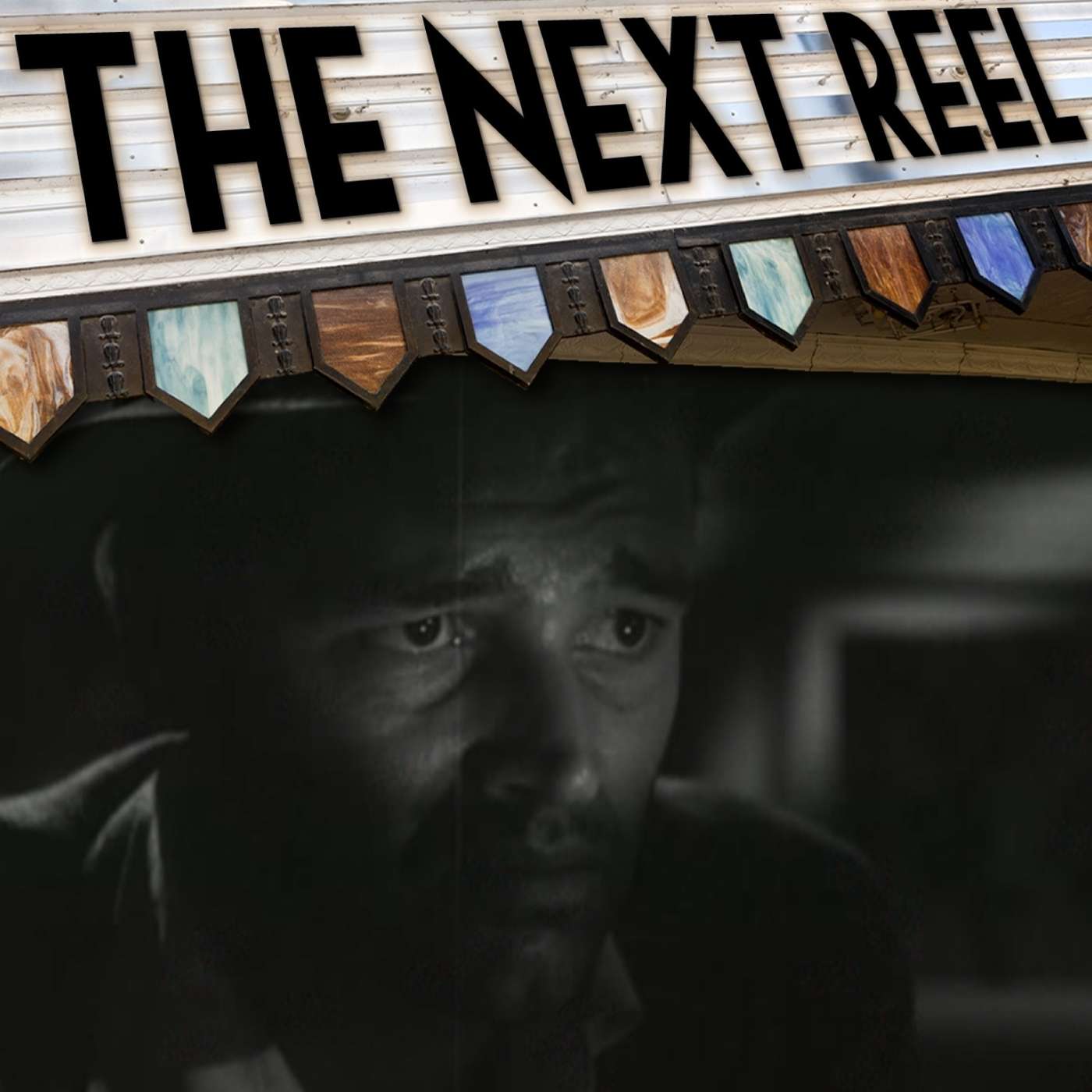
EPISODE · Mar 26, 2015 · 1H 13M
Detour • The Next Reel
from The Next Reel Film Podcast · host The Next Reel
“That’s life. Whichever way you turn, fate sticks out a foot to trip you." There are good films noir and there are bad films noir. But rarely do you have a case like 1945’s “Detour,” directed by Edgar G. Ulmer, where the poor quality that would make it a bad film could actually be construed as elements that make it a good film. In fact, this is arguably the only case where that happened. Join us — Pete Wright and Andy Nelson — as we continue our Film Noir series with Ulmer’s “Detour.” We talk about the origins of the film on poverty row and what that meant at the time, as well as talk about some of the films that Ulmer made under this umbrella. We really dig into the quality — or lack thereof — of this film and debate if it really helps lend to the noir aesthetic or if it just makes it reek of a cheap film. We deliberate over the quality of the performances provided by Tom Neal and Ann Savage and decide we love her but are split on Neal. And we look at it in context of the world of noir, touching on the femme fatale, the poor sap of a hero, the black and white cinematography, the tone, etc. It’s a film that, if viewed without any look into the history or without a conversation about it, likely could be seen as just a bad film, but when really digging into it, there’s something more to it and it certainly is worth talking about. So check it out and tune in! Film Sundries Original theatrical trailer Original poster artwork Detour — Martin Goldsmith Flickchart Who the Devil Made It? — Peter Bogdanovich (great interview with Edgar G. Ulmer The Ebert Review The Next Reel Family of Film Shows:Cinema Scope: Bridging Genres, Subgenres, and Movements | The Film Board | Movies We Like | The Next Reel | Sitting in the DarkConnect With Us:Web | Letterboxd | Flickchart | Instagram | Bluesky | YouTube | DiscordYour Hosts: Andy | PeteMerch Store | Audible
Embed this episode
What this episode covers
There are good films noir and there are bad films noir. But rarely do you have a case like 1945’s “Detour,” directed by Edgar G. Ulmer, where the poor quality that would make it a bad film could actually be construed as elements that make it a good film. In fact, this is arguably the only case where that happened. Join us — Pete Wright and Andy Nelson — as we continue our Film Noir series with Ulmer’s “Detour.” We talk about the origins of the film on poverty row and what that meant at the time, as well as talk about some of the films that Ulmer made under this umbrella. We really dig into the quality — or lack thereof — of this film and debate if it really helps lend to the noir aesthetic or if it just makes it reek of a cheap film. We deliberate over the quality of the performances provided by Tom Neal and Ann Savage and decide we love her but are split on Neal. And we look at it in context of the world of noir, touching on the femme fatale, the poor sap of a hero, the black and white cinematography, the tone, etc. It’s a film that, if viewed without any look into the history or without a conversation about it, likely could be seen as just a bad film, but when really digging into it, there’s something more to it and it certainly is worth talking about. So check it out and tune in!
NOW PLAYING
Detour • The Next Reel
No transcript for this episode yet
Similar Episodes
No similar episodes found.
Similar Podcasts
No similar podcasts found.