
EPISODE · Apr 29, 2025 · 12 MIN
Diabetes Dialogue: CATALYST Reveals High Prevalence of Hypercortisolism in T2D
from Diabetes Dialogue: Technology, Therapeutics, & Real-World Perspectives · host Diabetes Dialogue: Technology, Therapeutics, & Real-World Perspectives
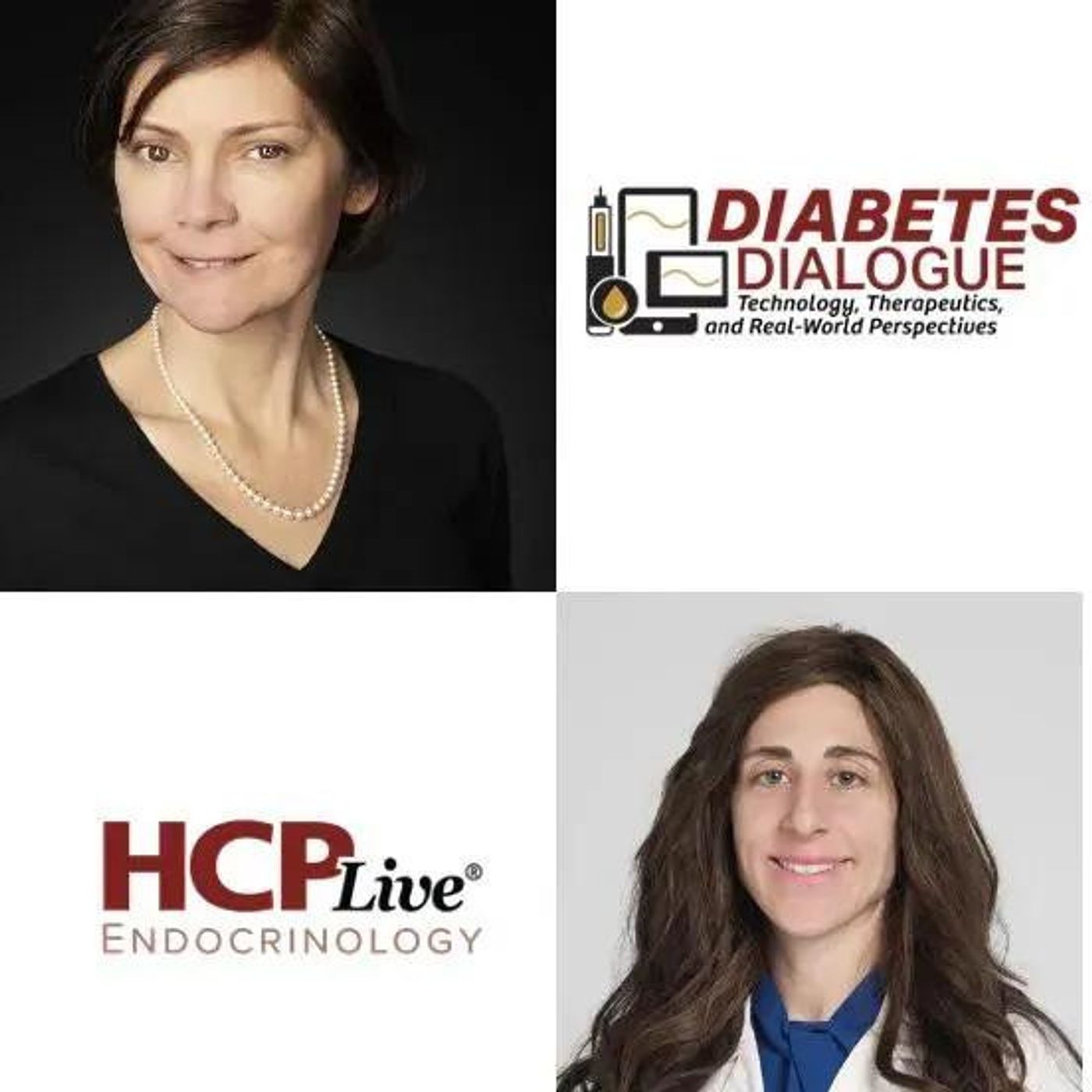
Video Version Only on HCPLive!In this episode of Diabetes Dialogue: Technology, Therapeutics, and Real-World Perspectives, hosts Diana Isaacs, PharmD, an endocrine clinical pharmacist, director of Education and Training in Diabetes Technology, and codirector of Endocrine Disorders in Pregnancy at the Cleveland Clinic, and Natalie Bellini, DNP, program director of Diabetes Technology at University Hospitals Diabetes and Metabolic Care Center, discuss the newly published findings from the CATALYST trial, a prospective, observational study establishing the prevalence of hypercortisolism among individuals with difficult-to-control type 2 diabetes (T2D).CATALYST enrolled 1057 adults with T2D and suboptimal glycemic control (HbA1c, 7.5–11.5%) despite treatment with ≥2 glucose-lowering agents. All participants underwent a 1-mg overnight dexamethasone suppression test (DST), and common confounders were excluded. Hypercortisolism—defined as a post-DST cortisol level >1.8 µg/dL—was identified in 23.8% of participants, with even higher rates among those with cardiac disease (33.3%) or on ≥3 antihypertensives (36.6%). Adrenal imaging revealed abnormalities in about one-third of affected individuals.Isaacs and Bellini emphasized how striking it is that such a high proportion of patients met criteria for hypercortisolism, a condition historically considered rare. The trial challenges that perception, revealing that clinical features like persistent hyperglycemia and hypertension—despite optimized therapy—could reflect underlying endocrine dysfunction. They noted that neither A1c nor body mass index (BMI) alone predicted elevated cortisol, although medication intensity and comorbid conditions did.The conversation explored how the recognition of hypercortisolism could alter clinical management. Future studies will assess whether targeted treatments—such as cortisol-lowering pharmacotherapy, including mifepristone (Korlym), or adrenal surgery—can reduce medication burden, improve glycemic control, and lower cardiovascular risk. Isaacs and Bellini pointed out that many patients with hypercortisolism present without the classic phenotype, underscoring the importance of broader screening criteria.Looking ahead, they called for greater awareness among clinicians to consider screening in patients on intensive diabetes and blood pressure regimens who still fail to reach therapeutic goals. Identifying and treating hypercortisolism could open a new pathway to improving outcomes in this population.Relevant disclosures for Isaacs include Eli Lilly and Company, Novo Nordisk, Sanofi, Abbott Diabetes Care, Dexcom, Medtronic, and others. Relevant disclosures for Bellini include Abbott Diabetes Care, MannKind, Provention Bio, and others.Key Episode Timestamps00:00:01 Catalyst Trial Overview and Introduction00:01:37 Patient Criteria and Initial Findings00:04:18 Implications and Next Steps00:05:23 Adrenal Imaging and Cardiac Disorders00:07:22 Clinical Implications and Future Research00:09:13 Demographic Differences and Future Directions
Embed this episode
NOW PLAYING
Diabetes Dialogue: CATALYST Reveals High Prevalence of Hypercortisolism in T2D
No transcript for this episode yet
Similar Episodes
No similar episodes found.
Similar Podcasts
No similar podcasts found.