Did Hezekiah Write Psalm 102 and 103?
from Reflections on the Psalms Podcast Hosted by William Conley
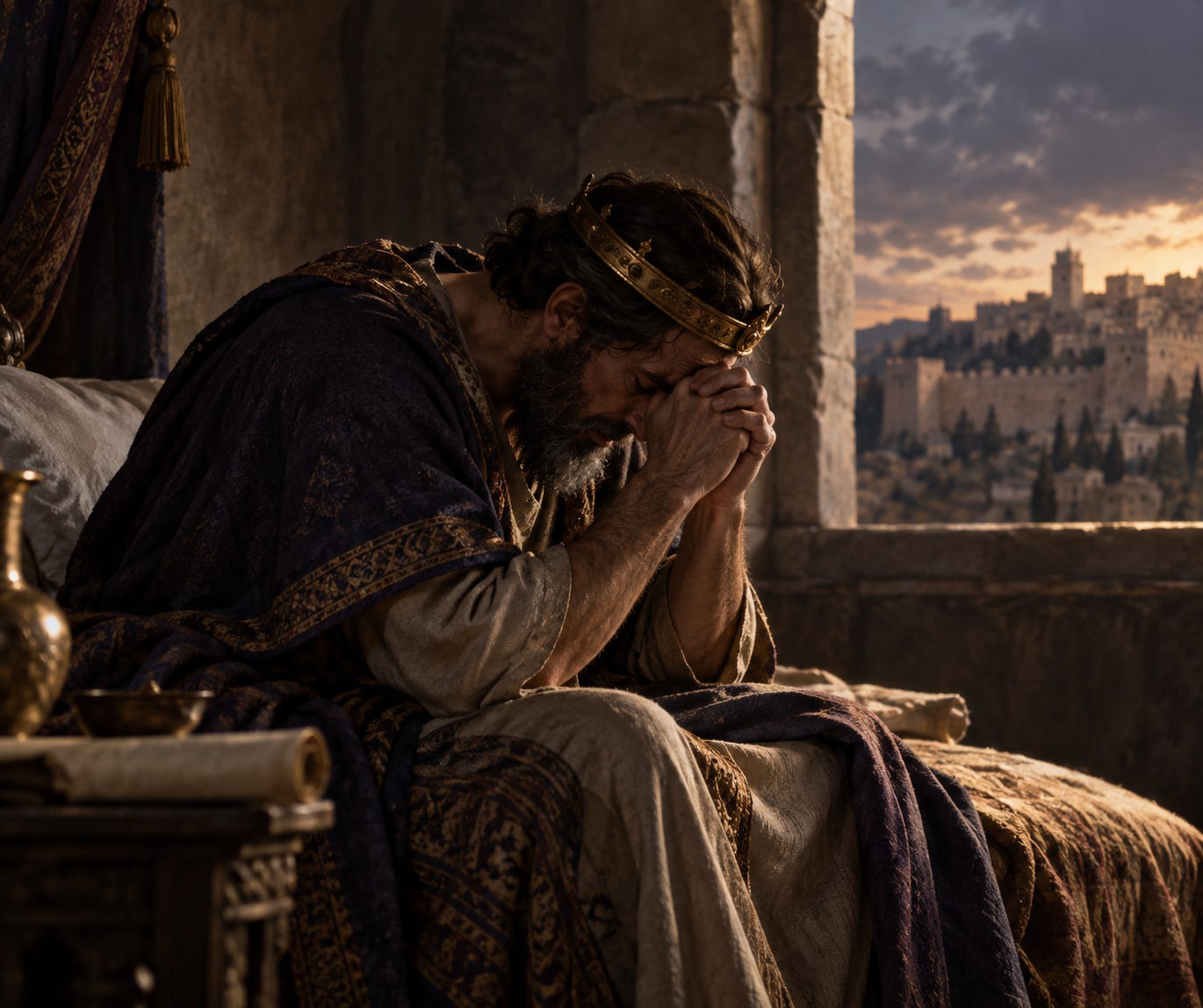
Today’s lectionary reading from the Book of Common Prayer is Psalm 102. One of the things I notice when I read Psalm 102 is that when you get down to verse 23, there seems to be a canonical parallel. It almost sounds as though this psalm could have been composed by Hezekiah—or at least it sounds remarkably like his prayer. The psalmist says: “In the course of my life he broke my strength;he cut short my days.So I said: ‘Do not take me away, my God,in the midst of my days;your years go on through all generations.’” And then the psalmist turns from his own shortened life to the everlasting life of God: “In the beginning you laid the foundations of the earth,and the heavens are the work of your hands.They will perish, but you remain;they will all wear out like a garment.Like clothing you will change themand they will be discarded.But you remain the same,and your years will never end.” Now compare that with Hezekiah’s prayer in Isaiah 38:10: “In the middle of my days I must depart;I am consigned to the gates of Sheolfor the rest of my years.” That sounds remarkably similar. Psalm 103 And then when you turn the page to Psalm 103, it almost sounds like an answer to the prayer: “Praise the LORD, my soul;all my inmost being, praise his holy name.Praise the LORD, my soul,and forget not all his benefits—who forgives all your sinsand heals all your diseases,who redeems your life from the pitand crowns you with love and compassion,who satisfies your desires with good thingsso that your youth is renewed like the eagle’s.” It sounds like Hezekiah’s prayer answered. But Psalm 102 goes somewhere even greater. The author of Hebrews takes these words and applies them to the Son: “You, Lord, laid the foundation of the earth in the beginning,and the heavens are the work of your hands;they will perish, but you remain…but you are the same,and your years will have no end.” Here we see Hezekiah, a son of David, crying out because his days are being cut short. And then comes the greater Son of David. His days really were cut short. He tasted death. But he rose again, never to die again. He is the eternal Son whose years will have no end. And when we are united to him by the Spirit and through faith, we become heirs with him. We are brought into the royal household. And so, in Christ, our years will never come to an end either. Because we are united to the One whose years have no end. This is a public episode. If you would like to discuss this with other subscribers or get access to bonus episodes, visit william945.substack.com
Embed this episode
No transcript yet.