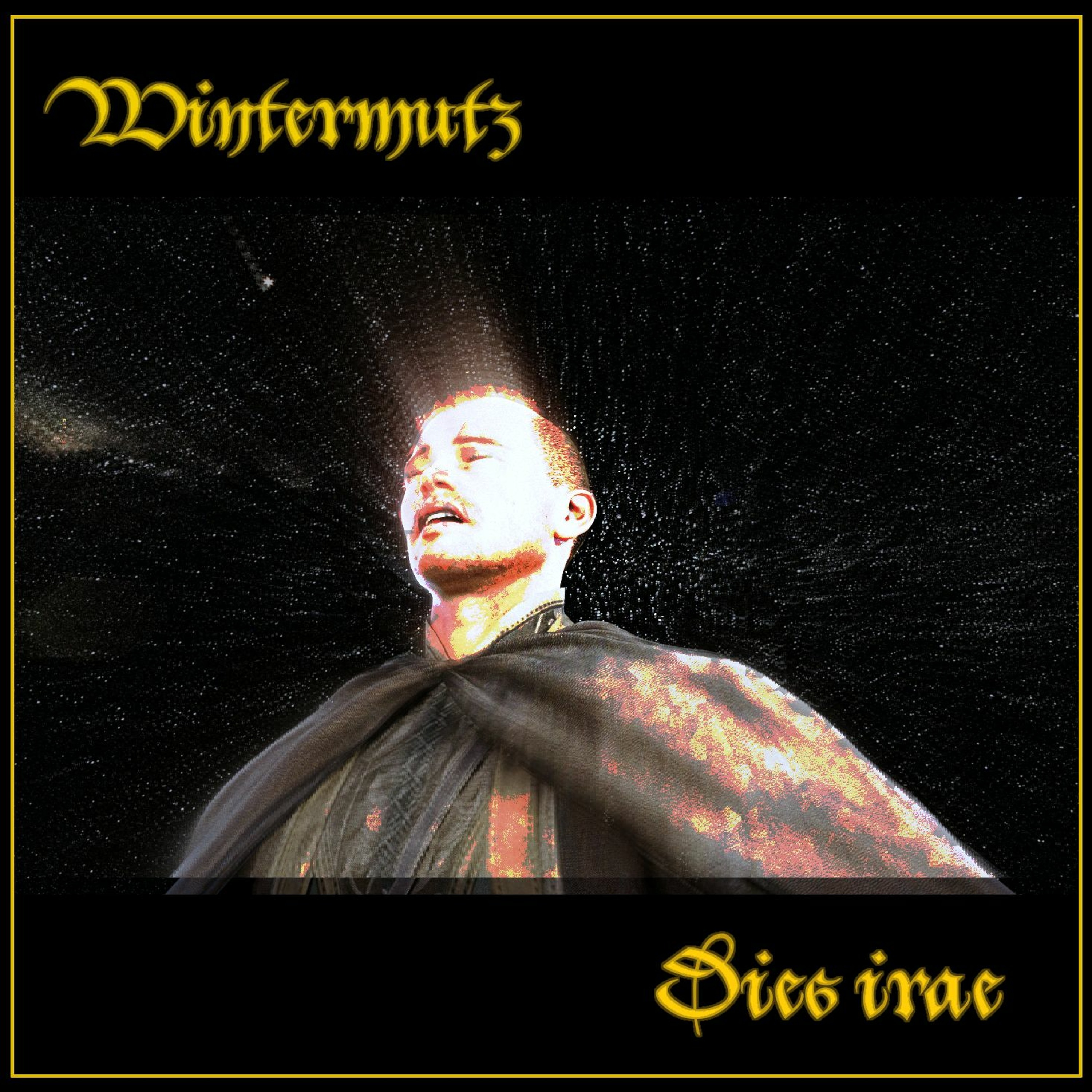
Dies Irae episode artwork

EPISODE · Oct 31, 2023 · 7 MIN

Dies Irae

from Wintermut3 Music · host Wintermut3

When I was working on KV 626 : Mozart's Requiem, I became very intested in the Medieval Poem "Dies Irae" when I found this vocal.. I knew I wanted to do a song similar to my "Nation of God" where I set Pope Benedict XVI to a beat From the Wiki: "Dies irae" (Ecclesiastical Latin: [ˈdi.es ˈi.re]; "the Day of Wrath") is a Latin sequence attributed to either Thomas of Celano of the Franciscans (1200–1265)[1] or to Latino Malabranca Orsini (d. 1294), lector at the Dominican studium at Santa Sabina, the forerunner of the Pontifical University of Saint Thomas Aquinas (the Angelicum) in Rome.[2] The sequence dates from the 13th century at the latest, though it is possible that it is much older, with some sources ascribing its origin to St. Gregory the Great (d. 604), Bernard of Clairvaux (1090–1153), or Bonaventure (1221–1274).[1] It is a medieval Latin poem characterized by its accentual stress and rhymed lines. The metre is trochaic. The poem describes the Last Judgment, the trumpet summoning souls before the throne of God, where the saved will be delivered and the unsaved cast into eternal flames. It is best known from its use in the Roman Rite Requiem (Mass for the Dead or Funeral Mass). An English version is found in various Anglican Communion service books. The first melody set to these words, a Gregorian chant, is one of the most quoted in musical literature, appearing in the works of many composers. The final couplet, Pie Jesu, has been often reused as an independent song.

Episode metadata supplied by the publisher feed · Published Oct 31, 2023

When I was working on KV 626 : Mozart's Requiem, I became very intested in the Medieval Poem "Dies Irae" when I found this vocal.. I knew I wanted to do a song similar to my "Nation of God" where I set Pope Benedict XVI to a beat From the Wiki: "Dies irae" (Ecclesiastical Latin: [ˈdi.es ˈi.re]; "the Day of Wrath") is a Latin sequence attributed to either Thomas of Celano of the Franciscans (1200–1265)[1] or to Latino Malabranca Orsini (d. 1294), lector at the Dominican studium at Santa Sabina, the forerunner of the Pontifical University of Saint Thomas Aquinas (the Angelicum) in Rome.[2] The sequence dates from the 13th century at the latest, though it is possible that it is much older, with some sources ascribing its origin to St. Gregory the Great (d. 604), Bernard of Clairvaux (1090–1153), or Bonaventure (1221–1274).[1] It is a medieval Latin poem characterized by its accentual stress and rhymed lines. The metre is trochaic. The poem describes the Last Judgment, the trumpet summoning souls before the throne of God, where the saved will be delivered and the unsaved cast into eternal flames. It is best known from its use in the Roman Rite Requiem (Mass for the Dead or Funeral Mass). An English version is found in various Anglican Communion service books. The first melody set to these words, a Gregorian chant, is one of the most quoted in musical literature, appearing in the works of many composers. The final couplet, Pie Jesu, has been often reused as an independent song.

PodParley-generated summary based on available episode metadata and transcript content.

NOW PLAYING

Dies Irae

0:00 7:40

No transcript for this episode yet

We transcribe on demand. Request one and we'll notify you when it's ready — usually under 10 minutes.

No similar episodes found.

Frequently Asked Questions

How long is this episode of Wintermut3 Music?

This episode is 7 minutes long.

When was this Wintermut3 Music episode published?

This episode was published on October 31, 2023.

What is this episode about?

When I was working on KV 626 : Mozart's Requiem, I became very intested in the Medieval Poem "Dies Irae" when I found this vocal.. I knew I wanted to do a song similar to my "Nation of God" where I set Pope Benedict XVI to a beat From the Wiki:...

Can I download this Wintermut3 Music episode?

Yes, you can download this episode by clicking the download button on the episode player, or subscribe to the podcast in your preferred podcast app for automatic downloads.
URL copied to clipboard!