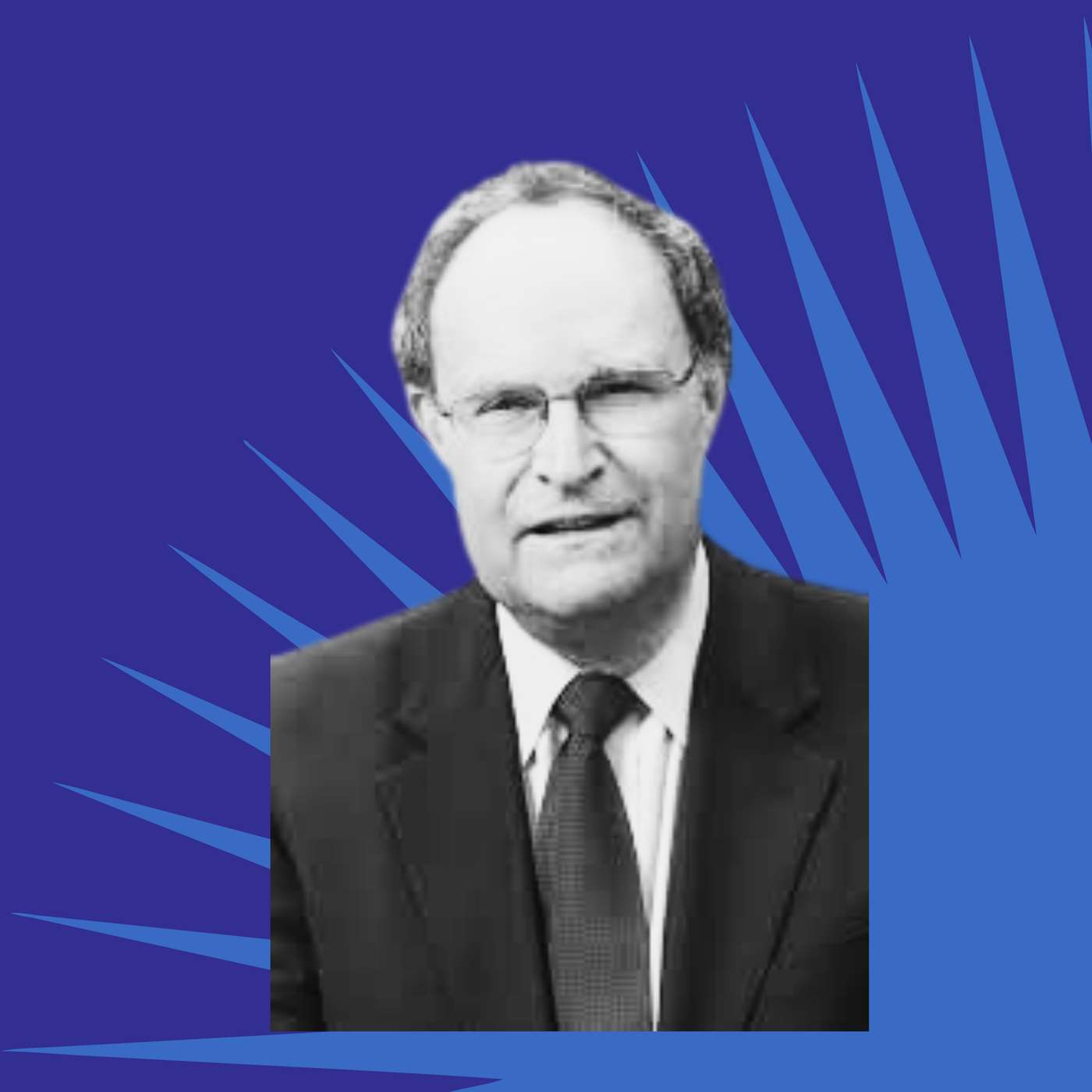
Different Minds Are Great: David Oppenheimer on the Diversity Principle episode artwork

EPISODE · Feb 22, 2026 · 36 MIN

Different Minds Are Great: David Oppenheimer on the Diversity Principle

from Keen On America · host Andrew Keen

"Great minds think alike? It's completely wrong. It's not that great minds think alike; it's that different minds are great." — David OppenheimerIt's diversity week. Yesterday, Brian Soucek argued in favor of what he calls the "opinionated university" to protect free speech. Today David Oppenheimer, law professor at UC Berkeley, on The Diversity Principle: The Story of a Transformative Idea. Oppenheimer reminds us that diversity isn't a modern invention. It traces back to Wilhelm von Humboldt's University of Berlin in 1810, which admitted Catholics and Jews to what would otherwise have been an entirely Protestant institution. And to John Stuart Mill, whose On Liberty—written with his wife Harriet Taylor Mill—might be renamed On Liberty and Diversity.Oppenheimer's case for diversity is partly moral, partly utilitarian. Diverse boards result in more profitable corporations, he says. Diverse science labs make more significant discoveries. Diverse classrooms generate better ideas. The phrase "great minds think alike" is, he says, the product of a poor mind. Different minds are great. That's where the greatness comes from.Oppenheimer takes seriously Clarence Thomas's critique of diversity. Thomas argues that racial diversity assumes Black people all think alike, which is its own form of liberal racism. But Oppenheimer responds by citing Thomas's "brilliant" dissent in Virginia v. Black, where he argued that cross burning isn't political speech but terrorism. That insight, Oppenheimer says, came from Thomas's lived experience as a Black man. The other justices, all white, couldn't see it.The unsung hero in Oppenheimer's history of diversity is Pauli Murray. Born 1910 into the segregated South, Murray coined the term "Jane Crow," influenced Thurgood Marshall's arguments in Brown v. Board, saved the sex discrimination clause in the Civil Rights Act, hired Ruth Bader Ginsburg at the ACLU against the judgment of the men who thought her "meek," and ended her life as an Episcopal priest. Now recognized by the church as a saint, Oppenheimer cites Murray as not just a great theorist of diversity, but also as a paragon of a diverse life. Maybe every week should be diversity week. Five Takeaways●      Different Minds Are Great: The phrase "great minds think alike" is, Oppenheimer says, the product of a poor mind. Different minds are great. That's where their greatness comes from.●      Diversity Traces Back to 1810: Diversity isn't a modern invention. It traces back to Humboldt's University of Berlin in 1810, which admitted Catholics and Jews. Mill's On Liberty might be renamed On Liberty and Diversity.●      Clarence Thomas's Critique Is Serious: Thomas argues that racial diversity assumes Black people all think alike—its own form of liberal racism. But Oppenheimer responds by citing Thomas's own "brilliant" dissent in Virginia v. Black, which came from his lived experience as a Black man.●      Pauli Murray Is the Model of a Great Mind: Murray coined the term "Jane Crow," influenced Thurgood Marshall's arguments in Brown v. Board, saved the sex discrimination clause in the Civil Rights Act, and hired Ruth Bader Ginsburg. Oppenheimer cites her as a paragon of a diverse life.●      Mill Warned Against Majoritarianism: On Liberty is instructive today. When everyone agrees, listen harder to those who disagree. The majority is not only often ill-informed but often wrong. About the GuestDavid Oppenheimer is a Clinical Professor of Law at UC Berkeley School of Law. He is the author of The Diversity Principle: The Story of a Transformative Idea and co-director of a center on comparative equality law. He attended Harvard Law School and spent his final year at Berkeley.ReferencesPeople mentioned:●      John Stuart Mill wrote On Liberty with his wife Harriet Taylor Mill. Oppenheimer argues the book might be renamed On Liberty and Diversity.●      Wilhelm von Humboldt founded the University of Berlin in 1810 on principles of diversity, admitting Catholics and Jews to a Protestant institution.●      Pauli Murray coined "Jane Crow," influenced Thurgood Marshall, saved sex discrimination in the Civil Rights Act, hired RBG, and became an Episcopal saint.●      Charles William Eliot was President of Harvard who brought diversity principles to American higher education, encouraging the "clash of ideas" among undergraduates.●      Clarence Thomas offers a critique of diversity that Oppenheimer takes seriously but ultimately rejects, using Thomas's own dissent in Virginia v. Black.About Keen On AmericaNobody asks more awkward questions than the Anglo-American writer and filmmaker Andrew Keen. In Keen On America, Andrew brings his pointed Transatlantic wit to making sense of the United States—hosting daily interviews about the history and future of this now venerable Republic. With nearly 2,800 episodes since the show launched on TechCrunch in 2010, Keen On America is the most prolific intellectual interview show in the history of podcasting.WebsiteSubstackYouTubeApple PodcastsSpotify Chapters:(00:00) - Introduction: A legal week on diversity (01:32) - Diversity traces back to Humboldt's Berlin, 1810 (02:08) - What is diversity? (03:19) - Mill and On Liberty: The philosophy of diversity (05:08) - Great minds don't think alike—different minds are great (06:13) - Mill against the tyranny of the majority (07:23) - Is diversity utilitarian? (09:14) - Charles William Eliot brings diversity to Harvard (11:04) - Harvard vs. Princeton: Who welcomed outsiders? (12:47) - What's the strongest argument against diversity? <...

"Great minds think alike? It's completely wrong. It's not that great minds think alike; it's that different minds are great." — David OppenheimerIt's diversity week. Yesterday, Brian Soucek argued in favor of what he calls the "opinionated university" to protect free speech. Today David Oppenheimer, law professor at UC Berkeley, on The Diversity Principle: The Story of a Transformative Idea. Oppenheimer reminds us that diversity isn't a modern invention. It traces back to Wilhelm von Humboldt's University of Berlin in 1810, which admitted Catholics and Jews to what would otherwise have been an entirely Protestant institution. And to John Stuart Mill, whose On Liberty—written with his wife Harriet Taylor Mill—might be renamed On Liberty and Diversity.Oppenheimer's case for diversity is partly moral, partly utilitarian. Diverse boards result in more profitable corporations, he says. Diverse science labs make more significant discoveries. Diverse classrooms generate better ideas. The phrase "great minds think alike" is, he says, the product of a poor mind. Different minds are great. That's where the greatness comes from.Oppenheimer takes seriously Clarence Thomas's critique of diversity. Thomas argues that racial diversity assumes Black people all think alike, which is its own form of liberal racism. But Oppenheimer responds by citing Thomas's "brilliant" dissent in Virginia v. Black, where he argued that cross burning isn't political speech but terrorism. That insight, Oppenheimer says, came from Thomas's lived experience as a Black man. The other justices, all white, couldn't see it.The unsung hero in Oppenheimer's history of diversity is Pauli Murray. Born 1910 into the segregated South, Murray coined the term "Jane Crow," influenced Thurgood Marshall's arguments in Brown v. Board, saved the sex discrimination clause in the Civil Rights Act, hired Ruth Bader Ginsburg at the ACLU against the judgment of the men who thought her "meek," and ended her life as an Episcopal priest. Now recognized by the church as a saint, Oppenheimer cites Murray as not just a great theorist of diversity, but also as a paragon of a diverse life. Maybe every week should be diversity week. Five Takeaways●      Different Minds Are Great: The phrase "great minds think alike" is, Oppenheimer says, the product of a poor mind. Different minds are great. That's where their greatness comes from.●      Diversity Traces Back to 1810: Diversity isn't a modern invention. It traces back to Humboldt's University of Berlin in 1810, which admitted Catholics and Jews. Mill's On Liberty might be renamed On Liberty and Diversity.●      Clarence Thomas's Critique Is Serious: Thomas argues that racial diversity assumes Black people all think alike—its own form of liberal racism. But Oppenheimer responds by citing Thomas's own "brilliant" dissent in Virginia v. Black, which came from his lived experience as a Black man.●      Pauli Murray Is the Model of a Great Mind: Murray coined the term "Jane Crow," influenced Thurgood Marshall's arguments in Brown v. Board, saved the sex discrimination clause in the Civil Rights Act, and hired Ruth Bader Ginsburg. Oppenheimer cites her as a paragon of a diverse life.●      Mill Warned Against Majoritarianism: On Liberty is instructive today. When everyone agrees, listen harder to those who disagree. The majority is not only often ill-informed but often wrong. About the GuestDavid Oppenheimer is a Clinical Professor of Law at UC Berkeley School of Law. He is the author of The Diversity Principle: The Story of a Transformative Idea and co-director of a center on comparative equality law. He attended Harvard Law School and spent his final year at Berkeley.ReferencesPeople mentioned:●      John Stuart Mill wrote On Liberty with his wife Harriet Taylor Mill. Oppenheimer argues the book might be renamed On Liberty and Diversity.●      Wilhelm von Humboldt founded the University of Berlin in 1810 on principles of diversity, admitting Catholics and Jews to a Protestant institution.●      Pauli Murray coined "Jane Crow," influenced Thurgood Marshall, saved sex discrimination in the Civil Rights Act, hired RBG, and became an Episcopal saint.●      Charles William Eliot was President of Harvard who brought diversity principles to American higher education, encouraging the "clash of ideas" among undergraduates.●      Clarence Thomas offers a critique of diversity that Oppenheimer takes seriously but ultimately rejects, using Thomas's own dissent in Virginia v. Black.About Keen On AmericaNobody asks more awkward questions than the Anglo-American writer and filmmaker Andrew Keen. In Keen On America, Andrew brings his pointed Transatlantic wit to making sense of the United States—hosting daily interviews about the history and future of this now venerable Republic. With nearly 2,800 episodes since the show launched on TechCrunch in 2010, Keen On America is the most prolific intellectual interview show in the history of podcasting.WebsiteSubstackYouTubeApple PodcastsSpotify Chapters:(00:00) - Introduction: A legal week on diversity (01:32) - Diversity traces back to Humboldt's Berlin, 1810 (02:08) - What is diversity? (03:19) - Mill and On Liberty: The philosophy of diversity (05:08) - Great minds don't think alike—different minds are great (06:13) - Mill against the tyranny of the majority (07:23) - Is diversity utilitarian? (09:14) - Charles William Eliot brings diversity to Harvard (11:04) - Harvard vs. Princeton: Who welcomed outsiders? (12:47) - What's the strongest argument against diversity? <...

NOW PLAYING

Different Minds Are Great: David Oppenheimer on the Diversity Principle

0:00 36:54

No transcript for this episode yet

We transcribe on demand. Request one and we'll notify you when it's ready — usually under 10 minutes.

The Small Business Startup School – Business Notes | Financial Literacy | Retail Psychology – For Professionals & Entrepreneurs The Small Business Startup School Inc. Starting or buying a small business? While personal circumstances may vary, business patterns remain timeless. On The Small Business Startup School, we explore strategies, insights, and practical solutions to help entrepreneurs confidently navigate their journey.Hosted by Ola Williams—a retail entrepreneur, fintech founder, and financial coach with over two decades of experience—this podcast marries financial awareness and retail psychology with optimism to deliver actionable takeaways.Join us to learn, grow, and connect as we uncover the keys to business success.Let’s continue to learn together and be encouraged to keep on connecting! PodQuesting Dwight J Randolph- WolfShield Media PodQuesting: -By WolfShield Media and Dwight J RandolphJoin us on an exciting journey to master the world of fiction podcasting! At PodQuesting, we document our quest to improve and innovate, sharing valuable insights, strategies, and behind-the-scenes tips along the way. Whether you're an experienced podcaster or just starting your first show, our podcast is your go-to resource for everything podcasting.Discover practical advice, creative techniques, and lessons from our own experiences as we explore the ever-evolving podcasting landscape. Ready to level up your skills and embark on this adventure with us? Tune in and join the quest!Have questions or feedback? Reach out to us at [email protected] and visit our website:WolfShield.Media LIGHTS, CAMERA, SMILE! Creatives Club Media Lights, Camera, Smile, is a podcast for anyone with a dream to share something with the world, out of the overflow of themselves - be it their mind, their heart, their personalities, and much more. Each of us are alive in this moment in time, with an innate ability to have ideas and create various things to benefit both ourselves and the people around us for a reason, and here, you will find the encouragement, the inspiration, and the motivation to do just that. Hosted by Cicily, founder of Creatives Club, she dives into various topics surrounding creativity and business. Exploring entrepreneurship for creatives in a corporate reality, sharing tips and tricks in a media centered company, answering questions regarding what a creative actually is are just a few of the things discussed on this podcast. Be encouraged to create for yourself as Cicily gets vulnerable by pivoting the camera to herself for the first time.To submit questions for Cicily to answer, or have her address certain t Kaizen Blueprint Aldo Chandra "Kaizen" is a Japanese term for continuous improvement. This podcast provides a blueprint to learn about health, wealth, relationships and everything else in between. Through our podcast, we strive to inspire, educate, and motivate our audience to cultivate a mindset of lifelong learning, productivity, and personal development. By sharing insights, strategies, and practical tips, we aim to guide listeners on their journey towards realizing their fullest potential, fostering success, and creating lasting positive change.

Frequently Asked Questions

How long is this episode of Keen On America?

This episode is 36 minutes long.

When was this Keen On America episode published?

This episode was published on February 22, 2026.

What is this episode about?

"Great minds think alike? It's completely wrong. It's not that great minds think alike; it's that different minds are great." — David OppenheimerIt's diversity week. Yesterday, Brian Soucek argued in favor of what he calls the "opinionated...

Is there a transcript available for this episode?

Yes, a full transcript is available for this episode. You can read the complete transcript on the episode page.

Can I download this Keen On America episode?

Yes, you can download this episode by clicking the download button on the episode player, or subscribe to the podcast in your preferred podcast app for automatic downloads.
URL copied to clipboard!