
EPISODE · Aug 5, 2026 · 14 MIN
Dimagi
from On the Ground · host LONG FEI
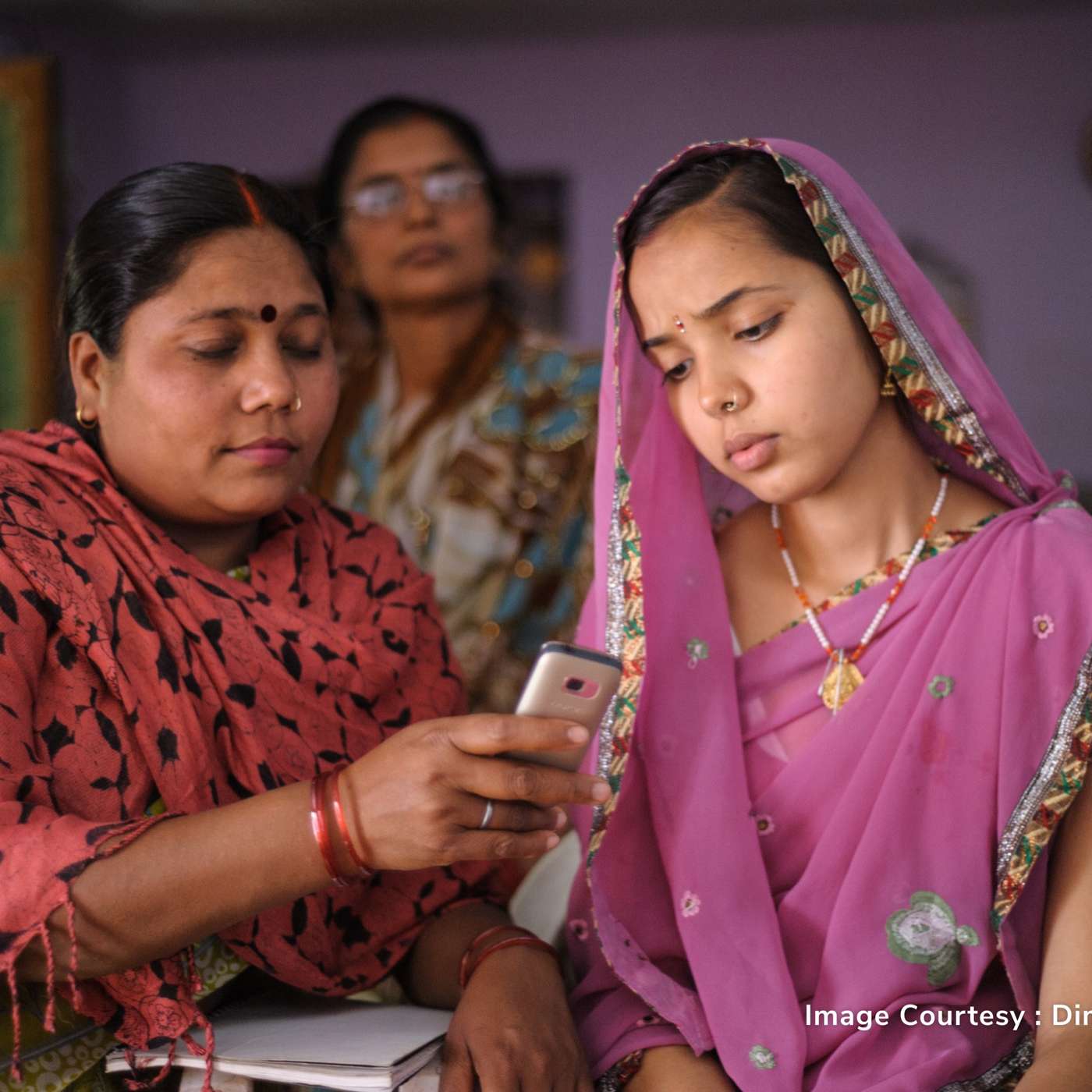
In 2002, two MIT students, Jonathan Jackson and Vikram Kumar, flew to Zambia intending to use health informatics to analyze data — and discovered there was no data to analyze at all. That discovery quickly pushed the company from health informatics toward global health software development: they first built electronic data-collection tools for clinicians in hospitals, then around 2008 shifted toward a larger group — community health workers who walk from village to village and are often the only healthcare providers in rural areas. Dimagi's flagship product, CommCare, is a drag-and-drop mobile data-collection and workflow platform built offline-first: workers can enter data with no signal at all, and it syncs automatically once they're back in range. It has been open source since its founding in 2002, so any organization can download, modify, and deploy it for free — which is why the national medical records system built in Zambia around 2005 was later adopted by other African countries. CommCare's impact has been tested in randomized controlled trials in India, Tanzania, and South Africa (covering child nutrition, facility-based deliveries, and cardiovascular screening), with additional studies in Nigeria and Guatemala also showing positive results. Legally, Dimagi is a for-profit company. It became a certified B Corp in 2008 and registered as a Benefit Corporation in 2012; founder Jonathan Jackson describes its decision order as "impact, team, profit." According to the organization's own website, Dimagi's software has been deployed in more than 130 countries, has over 76 million registered users, is the designated official community health platform in nine African countries, and has more than 120 peer-reviewed papers written about it. In recent years the product line has expanded to include video-observed treatment adherence for tuberculosis (SureAdhere), a pay-for-delivered-service marketplace called Connect (launched in 2022 with a $25 million investment from the Steele Foundation for Hope, expanded to seven countries and 77,000 people by 2023), and AI-assisted tools for malnutrition prediction and chatbot support.
Embed this episode
Ready to play
Dimagi
No transcript for this episode yet
Similar Episodes
No similar episodes found.