
EPISODE · Jul 2, 2026 · 54 MIN
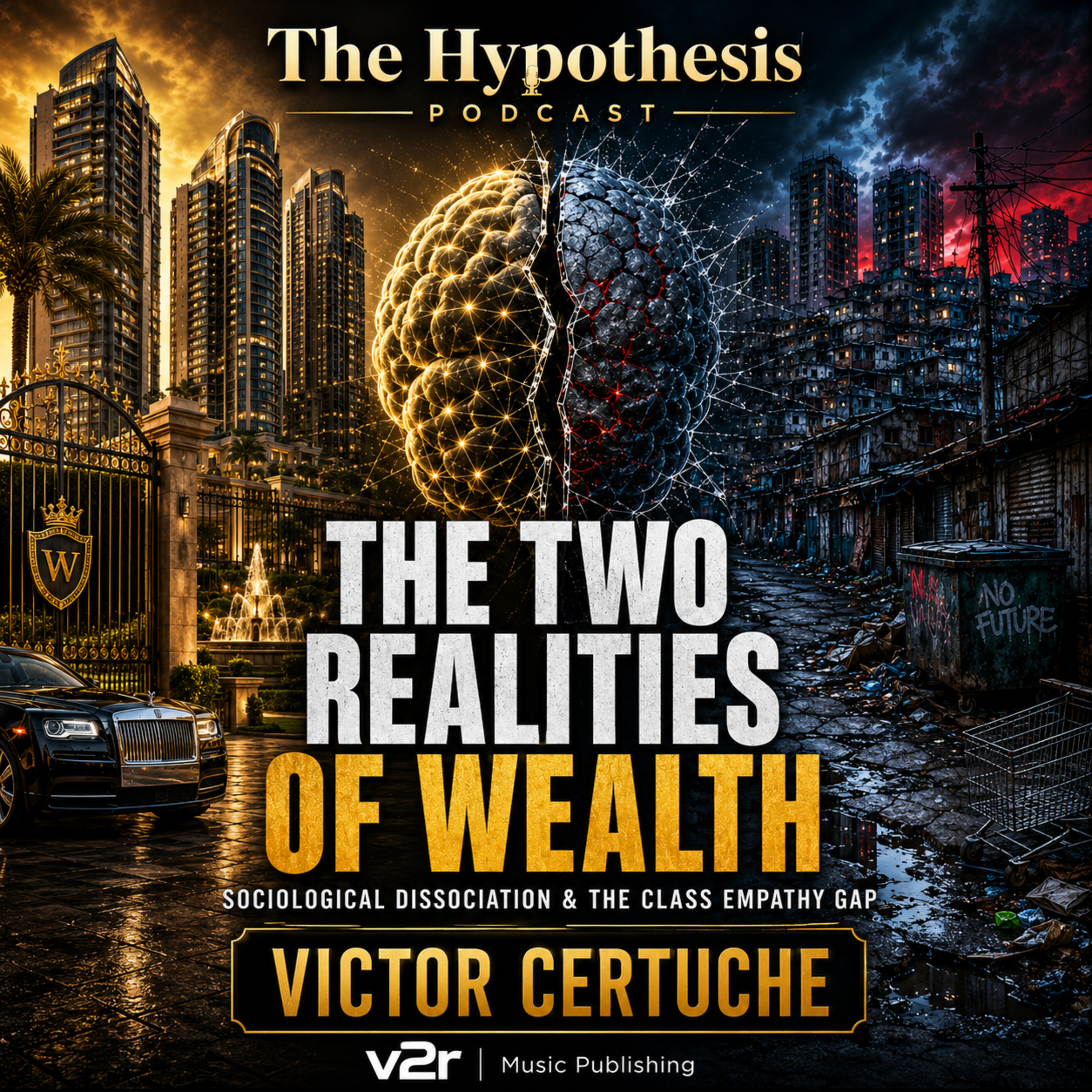
Dividing Mind and World: The Neurobiology and Psychology of the Class Empathy Gap
from The Hypothesis · host 128596915
Why is it so hard for the ultra-wealthy to truly relate to those facing harsh economic struggles? In this episode, we explore a striking scientific hypothesis: that extreme economic inequality triggers a form of collective "structural dissociation," splitting society into parallel, uncommunicative worlds.We dive deep into the neurobiology of our social divides, revealing how higher socioeconomic status can physically blunt the brain’s spontaneous, pre-reflective neural response to another human being's pain. From the protective psychological shield of "just-world" beliefs to real-world behavioral experiments like UC Berkeley’s famous "Rigged Monopoly" study, we unpack the cognitive biases that allow the privileged to rationalize arbitrary advantages as purely the result of self-effort.Finally, we examine how this mental partition is physically and culturally locked into our collective memory through gated communities, elite private schooling, and social networks that drive "mnemonic conformity". Join us as we dissect the science, history, and sociology behind our fractured social consciousness—and ask what it will take to bridge the empathy chasm.
Embed this episode
NOW PLAYING
Dividing Mind and World: The Neurobiology and Psychology of the Class Empathy Gap
No transcript for this episode yet
Similar Episodes
No similar episodes found.
Similar Podcasts
No similar podcasts found.