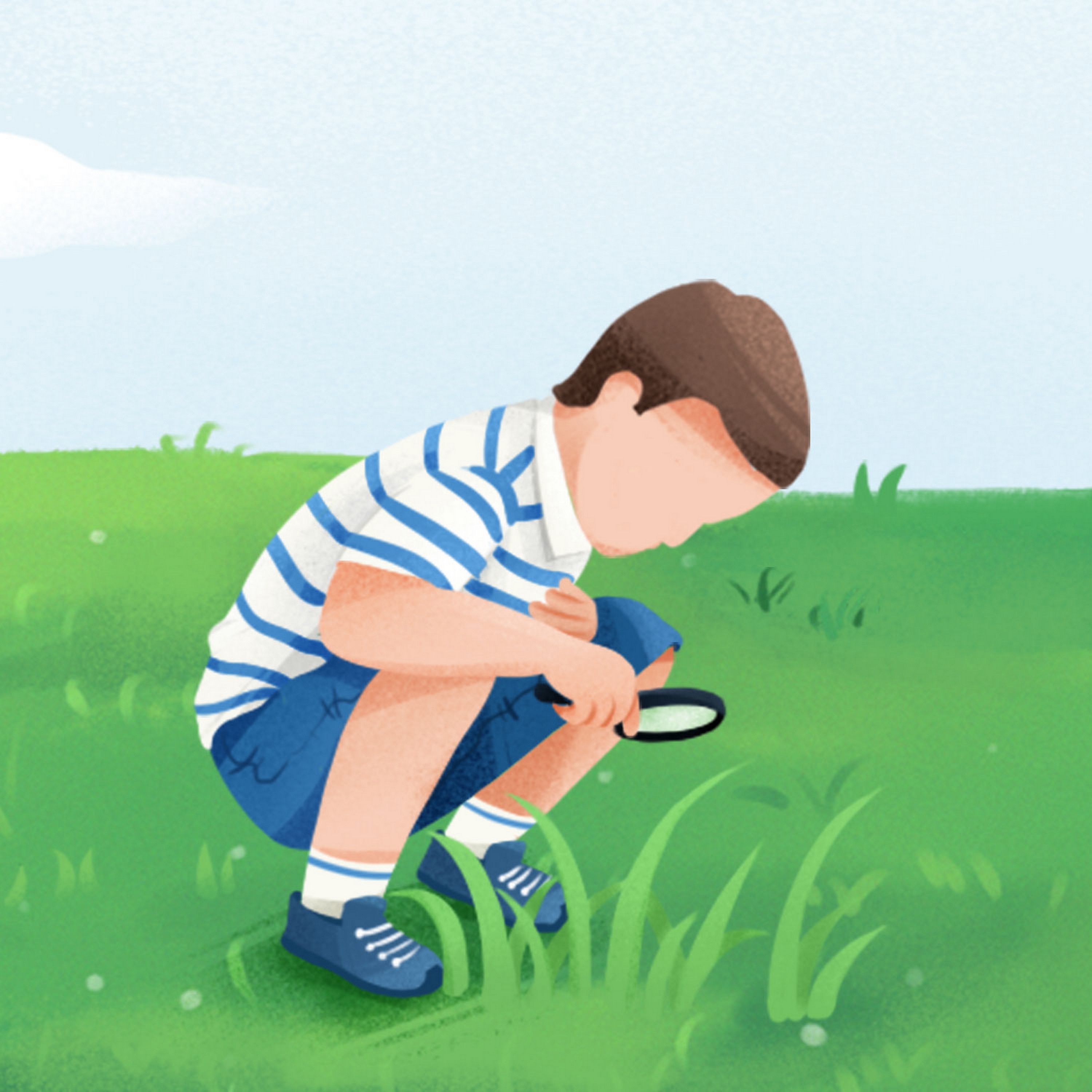
Diving into the Wisdom: How Children Learn Book Overview
from Bookey App 30 mins Book Summaries Knowledge Notes and More
Chapter 1 What's How Children Learn Book by John C. Holt "How Children Learn" is a book written by John C. Holt, an American author and educator. First published in 1967, the book explores different aspects of child development and learning. Holt challenges traditional educational methods and encourages a more child-centered approach to learning. He believes that children are natural learners and that traditional schooling often stifles their curiosity and creativity. The book discusses the importance of autonomy, play, and self-directed learning in a child's education. "How Children Learn" has been influential in the field of progressive education and has had a significant impact on educational reform. Chapter 2 Is How Children Learn Book A Good Book The book "How Children Learn" by John C. Holt is generally considered a good book by many parents, teachers, and educators. Holt explores educational theories and practices, emphasizing the importance of children's natural curiosity and the role of play in learning. He challenges traditional education systems and discusses the potential detrimental effects of standardized testing and rote memorization. The book offers valuable insights and alternative perspectives on how children can best learn and thrive. However, personal opinions about the book may vary based on individual preferences and beliefs about education. Chapter 3 How Children Learn Book by John C. Holt Summary "How Children Learn" is a book written by John C. Holt, a prominent educational theorist and advocate for homeschooling. Published in 1967, the book examines the conventional education system and suggests alternative methods for helping children learn more effectively. In the book, Holt challenges traditional views on education and argues that children are naturally curious and have an innate desire to learn. He emphasizes the importance of nurturing and encouraging this natural curiosity rather than forcing children into a rigid educational framework. Holt believes that children learn best when they are actively engaged in their environment and can explore and experiment with the world around them. He criticizes the conventional school system for its focus on rote memorization and standardized testing, arguing that this stifles creativity and does not allow children to develop a genuine understanding of the subject matter. The book touches on various aspects of learning, including the role of play, the importance of individualized learning, and the benefits of learning through real-life experiences. Holt suggests that children learn best when they are able to pursue their interests and take responsibility for their own education. Throughout the book, Holt also reflects on his own experiences as a teacher and observer of children, sharing anecdotes and insights that support his arguments. He raises important questions about the purpose of education and the potential harm that can be caused by a one-size-fits-all approach. In summary, "How Children Learn" is a thought-provoking book that challenges traditional notions of education and offers alternative perspectives on how children learn best. It highlights the importance of nurturing children's natural curiosity and encouraging hands-on, experiential learning. Overall, it provides valuable insights for parents, educators, and anyone interested in reimagining the way we educate children. Chapter 4 How Children Learn Book Author John C. Holt was an American author and educator who wrote the influential book "How Children Learn." It was first published in 1967. Holt was known for his progressive ideas on education and his belief in children's natural ability to learn. Apart from "How Children Learn," Holt also authored several other books, including: 1. "How Children Fail" (1964): This book focuses on the failures of the traditional education system and discusses how it hinders children's learning. 2. "Teach Your Own: A Hopeful Path for Education" (1981): In this book, Holt emphasizes the importance of individualized education and advocates for homeschooling and unschooling. 3. "Escape from Childhood: The Needs and Rights of Children" (1974): Holt challenges societal norms surrounding childhood and argues for greater respect for children's autonomy and rights. 4. "Instead of Education: Ways to Help People Do Things Better" (1976): Holt explores alternatives to traditional schooling and proposes various methods to foster lifelong learning. In terms of editions and popularity, "How Children Learn" and "How Children Fail" are often considered Holt's most well-known works. However, both books have been revised and updated over the years to reflect changing educational landscapes and new research. The latest editions of these books are typically recommended for readers seeking the most up-to-date versions of Holt's ideas. Chapter 5 How Children Learn Book Meaning & Theme How Children Learn Book Meaning The book "How Children Learn" by John C. Holt explores the process of learning in children and challenges traditional educational approaches. Holt argues that children have a natural curiosity and eagerness to learn, and that traditional schooling often stifles this inherent love of learning. The central message of the book is that children learn best through self-directed exploration and discovery, rather than through rigid academic instruction. Holt emphasizes the importance of allowing children to follow their interests and pursue their own learning paths, rather than forcing them to conform to a predetermined curriculum. Holt also highlights the role that play and active engagement in the real world have in children's learning. He encourages parents and educators to create an environment that promotes independent thinking, problem-solving, and creativity. Overall, the book suggests that children are active participants in their own education, and that adults need to trust and support their natural learning instincts. By nurturing a child's innate curiosity and fostering a love of learning, adults can help children become lifelong learners. How Children Learn Book Theme The main theme of "How Children Learn" by John C. Holt is the belief that children are natural learners and have an innate curiosity and desire to explore and understand the world around them. The book challenges traditional educational systems and argues that children learn best when they are given the freedom to follow their own interests and learn at their own pace. Holt emphasizes the importance of observation and listening to children, as well as providing them with a supportive and nurturing environment that encourages their natural curiosity. He criticizes traditional education methods that focus on rote memorization and standardized testing, which he argues can stifle creativity and hinder a child's love for learning. Another theme in the book is the role of play in learning. Holt believes that play is an essential component of a child's education and that children learn best through hands-on, experiential learning rather than through formal instruction. He encourages parents and educators to value and foster children's play and provide them with opportunities for unstructured exploration and discovery. Overall, the theme of "How Children Learn" is centered around the idea that children are active participants in their own education and that they learn best when they are allowed to pursue their interests and are provided with a nurturing and supportive learning environment. Chapter 6 Other Accessible Resources 1. Official Website: The official website of John C. Holt provides comprehensive information about the book, including summaries, reviews, and purchasing options. 2. Amazon: The book is available on Amazon, where you can find customer reviews, ratings, and purchase options. 3. Goodreads: Goodreads is a popular social platform for book lovers. It features reviews, discussions, and recommendations related to "How Children Learn." 4. YouTube: You can find various interviews, book summaries, and related videos on YouTube, where people discuss and analyze the concepts and ideas presented in the book. 5. Google Scholar: Google Scholar provides access to academic articles, papers, and studies related to John C. Holt's works, including "How Children Learn." 6. Social Media: Follow John C. Holt's official social media accounts on platforms like Facebook, Twitter, and Instagram for updates, quotes, and discussions about the book. 7. Podcasts: Look for podcasts where John C. Holt's work is discussed or where he might have been interviewed. These podcasts provide valuable insights and discussions centered around "How Children Learn." 8. Online forums and communities: Join online forums and communities dedicated to education, child development, and homeschooling to discover conversations, recommendations, and discussions related to the book. 9. Education blogs/websites: Many education-focused blogs and websites likely contain articles, summaries, and reviews of "How Children Learn" that can provide a deeper understanding of the book's concepts. 10. Libraries: Visit your local library to find physical copies of the book or access digital copies...
Embed this episode
No transcript yet.