Do we need more space stations? episode artwork

EPISODE · Aug 30, 2019 · 31 MIN

Do we need more space stations?

from CrowdScience · host BBC World Service

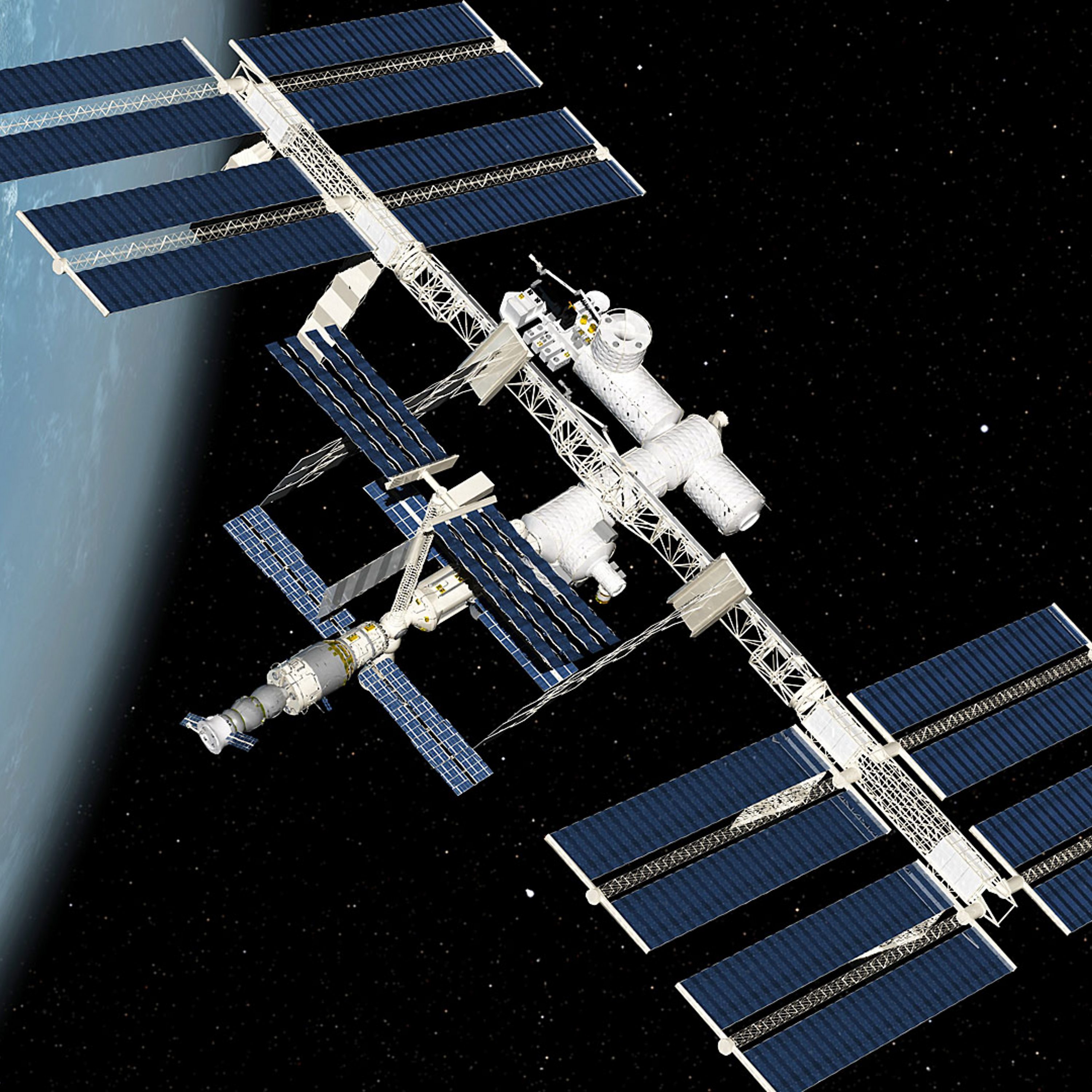
Satellites have transformed our lives, giving us digital communications, navigation and observations of Earth, and even an artificial place to live above the atmosphere: The International Space Station. CrowdScience listener Dana wants to know: would more of these satellites and stations help us get back to the Moon, as well as further into the solar system? As we discovered in a previous episode, being able to mine resources such as fuel and water in space could be handy for extra-terrestrial exploration. Asteroids could perhaps one day become self-fuelling gas stations for spaceships, as many contain ice which you could turn rocket fuel (hydrogen and oxygen). But what else would astronauts need for living beyond Earth? Marnie Chesterton asks the engineers working on the possibilities – from communications satellites that could transform lunar missions to a brand new moon-orbiting space station: The Lunar Gateway. These technologies could help humans get back to the Moon, and perhaps one day to Mars, for hopefully reduced costs – but funding missions beyond our planet still isn’t going to be cheap. Why might we need deep space-based infrastructure, and how could it help humanity back here on Earth? Presented by Marnie Chesterton Produced by Jennifer Whyntie for the BBC World Service(Photo: International Space Station, orbiting Earth. Credit: The Science Photo Library)

Satellites have transformed our lives, giving us digital communications, navigation and observations of Earth, and even an artificial place to live above the atmosphere: The International Space Station. CrowdScience listener Dana wants to know: would more of these satellites and stations help us get back to the Moon, as well as further into the solar system? As we discovered in a previous episode, being able to mine resources such as fuel and water in space could be handy for extra-terrestrial exploration. Asteroids could perhaps one day become self-fuelling gas stations for spaceships, as many contain ice which you could turn rocket fuel (hydrogen and oxygen). But what else would astronauts need for living beyond Earth? Marnie Chesterton asks the engineers working on the possibilities – from communications satellites that could transform lunar missions to a brand new moon-orbiting space station: The Lunar Gateway. These technologies could help humans get back to the Moon, and perhaps one day to Mars, for hopefully reduced costs – but funding missions beyond our planet still isn’t going to be cheap. Why might we need deep space-based infrastructure, and how could it help humanity back here on Earth? Presented by Marnie Chesterton Produced by Jennifer Whyntie for the BBC World Service(Photo: International Space Station, orbiting Earth. Credit: The Science Photo Library)

NOW PLAYING

Do we need more space stations?

0:00 31:39

No transcript for this episode yet

We transcribe on demand. Request one and we'll notify you when it's ready — usually under 10 minutes.

No similar episodes found.

No similar podcasts found.

Frequently Asked Questions

How long is this episode of CrowdScience?

This episode is 31 minutes long.

When was this CrowdScience episode published?

This episode was published on August 30, 2019.

What is this episode about?

Satellites have transformed our lives, giving us digital communications, navigation and observations of Earth, and even an artificial place to live above the atmosphere: The International Space Station. CrowdScience listener Dana wants to know:...

Can I download this CrowdScience episode?

Yes, you can download this episode by clicking the download button on the episode player, or subscribe to the podcast in your preferred podcast app for automatic downloads.
URL copied to clipboard!