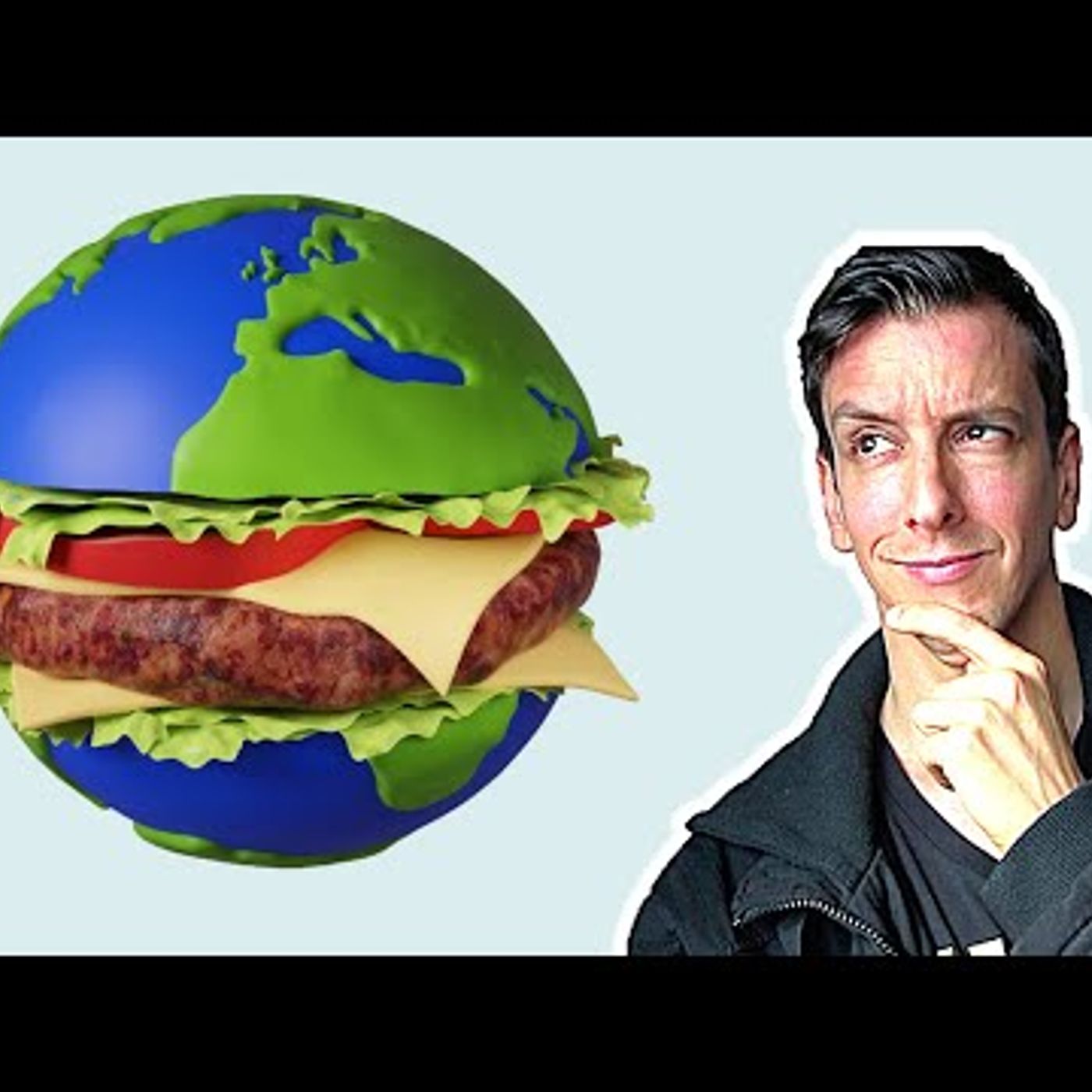
Does beef cause climate change? | “What I’ve learned”, red meat and environment
from Nutrition Made Simple! Hosted by UIOP
Beef and climate change. Fact-checking 'What I've Learned"'s video on red meat and climate change, climate science evidence on meat, esp. beef, and environmental impact What I’ve learned: beef isnt that polluting raising animals= greenhouse emissions. growing their food = more emissions. eliminating animal agriculture reduces greenhouse emissions GHGs by 2.6%? stop raising animals BUT keep growing tons of corn even tho cows and pigs and chickens are gone grow tons of corn. our diet = 80% grains, mostly corn even with these crops =better for environment, less emissions if we keep producing animal food emissions don’t change as much farmers would stop growing food for cows? continue to grow animal feed? Feedlot diet: plant-based scenario= 5,000 cals 3,000cals from corn (24 ears of corn) if farmers didn’t change, kept putting out corn? (assuming crops in proportions currently grown) no animals but produce their food? environmental improvement = not large worth moderating animal agriculture? animal agriculture esp. beef, corn in monoculture, generates less emissions no animal products = lower food GHG emissions US meat = 3x the global average, dietary change has greater effect, reducing food emissions by 61-73%” we eat more beef, change our diet no animal products: “28% reduction in global greenhouse gas emissions”. emissions from food in half, total emissions down by 28% 50% reduction in animal products = 20% less emissions animal products = majority of food-related emissions (70% of agricultural emissions). “meat dominates impacts on emissions” moderating animal foods. reducing food waste cuts food emissions by 9%, changing diet, moderating animal foods, 56% less emissions from food total emissions? GHG emissions require diet change less animal products, esp. beef= effective to reduce dietary emissions no Animal Agriculture = 56% less Emissions less emissions: cattle to pigs/chicken. more impact than plants, less than red meat red meat? do environmental scientists hate beef? environmental impact is disproportionate emissions for plant foods. bigger emissions: eggs, dairy, fish, chicken, pork, beef. higher than other animal products meat (beef or lamb) = environmental impact 20–100 times plants. animal products = 2–25x higher than plants. whether foods are matched by protein content, serving, or mass beef requires more feed. 1lb of milk or eggs = 2-3lbs of plants, poultry = 2-5, pork 3-9, beef = 24-49 less cows = less crops feeding cows grass: environment. grass-fed beef requires more water, more fossil fuels, bigger carbon footprint (emissions extend) ruminants convert grass into human-edible protein, big environmental impact is all beef the same? some producers cause more emissions. even cleanest beef = worse than animal foods and much worse than plant protein like beans dietary change (foods we eat)=more benefits than tweaking production optimizing beef fossil fuels? can we cut fossil fuels and leave food alone? reducing emissions from fossil fuels is essential but even if fossil fuel emissions were halted, food would prevent climate targets climate goals require changes to food system. eliminate fossil fuels = more leeway on food changes to transportation + energy + Food (big chunk of emissions) many don’t want to change fossil fuels are animals/beef a significant source of emissions? yes. will it solve climate change by itself? no Connect with me: Facebook: https://www.facebook.com/DrGilCarvalho/ Twitter: https://twitter.com/NutritionMadeS3 Animations: Even Topland @toplandmedia References: https://www.pnas.org/content/pnas/114/48/E10301.full.pdf https://www.pnas.org/content/115/8/E1701 https://www.pnas.org/content/115/8/E1703 https://www.pnas.org/content/115/8/E1704 https://fdc.nal.usda.gov/fdc-app.html#/food-details/168400/nutrients https://www.pnas.org/content/115/8/E1706 https://fdc.nal.usda.gov/fdc-app.html#/food-details/168400/nutrients https://science.sciencemag.org/content/360/6392/987 https://www.nature.com/articles/s41586-018-0594-0 https://www.sciencedirect.com/science/article/pii/S2211912418300361 www.thelancet.com/journals/lancet/article/PIIS0140-6736(18)31788-4/fulltext https://iopscience.iop.org/article/10.1088/1748-9326/aa6cd5/pdf https://academic.oup.cxom/nutritionreviews/article/77/4/197/5307079#.XK0fvVXgKR8.email https://www.mdpi.com/2076-2615/2/2/127 https://science.sciencemag.org/content/370/6517/705 Disclaimer: The contents of this video are for informational purposes only and are not intended as medical advice, diagnosis, or treatment, nor to replace medical care. This information is accurate and conforms to the available scientific evidence to the best of the author's knowledge at the time of posting. See your physician or qualified health provider with questions regarding medical conditions. Never disregard medical advice or delay seeking it because of information contained in Nutrition Made Simple!. #NutritionMadeSimple #GilCarvalho
Embed this episode
What this episode covers
Beef and climate change. Fact-checking 'What I've Learned"'s video on red meat and climate change, climate science evidence on meat, esp. beef, and environmental impact What I’ve learned: beef isnt that polluting raising animals= greenhouse emissions. growing their food = more emissions. eliminating animal agriculture reduces greenhouse emissions GHGs by 2.6%? stop raising animals BUT keep growing tons of corn even tho cows and pigs and chickens are gone grow tons of corn. our diet = 80% grains, mostly corn even with these crops =better for environment, less emissions if we keep producing animal food emissions don’t change as much farmers would stop growing food for cows? continue to grow animal feed? Feedlot diet: plant-based scenario= 5,000 cals 3,000cals from corn (24 ears of corn) if farmers didn’t change, kept putting out corn? (assuming crops in proportions currently grown) no animals but produce their food? environmental improvement = not large worth moderating animal agriculture? animal agriculture esp. beef, corn in monoculture, generates less emissions no animal products = lower food GHG emissions US meat = 3x the global average, dietary change has greater effect, reducing food emissions by 61-73%” we eat more beef, change our diet no animal products: “28% reduction in global greenhouse gas emissions”. emissions from food in half, total emissions down by 28% 50% reduction in animal products = 20% less emissions animal products = majority of food-related emissions (70% of agricultural emissions). “meat dominates impacts on emissions” moderating animal foods. reducing food waste cuts food emissions by 9%, changing diet, moderating animal foods, 56% less emissions from food total emissions? GHG emissions require diet change less animal products, esp. beef= effective to reduce dietary emissions no Animal Agriculture = 56% less Emissions less emissions: cattle to pigs/chicken. more impact than plants, less than red meat red meat? do environmental scientists hate beef? environmental impact is disproportionate emissions for plant foods. bigger emissions: eggs, dairy, fish, chicken, pork, beef. higher than other animal products meat (beef or lamb) = environmental impact 20–100 times plants. animal products = 2–25x higher than plants. whether foods are matched by protein content, serving, or mass beef requires more feed. 1lb of milk or eggs = 2-3lbs of plants, poultry = 2-5, pork 3-9, beef = 24-49 less cows = less crops feeding cows grass: environment. grass-fed beef requires more water, more fossil fuels, bigger carbon footprint (emissions extend) ruminants convert grass into human-edible protein, big environmental impact is all beef the same? some producers cause more emissions. even cleanest beef = worse than animal foods and much worse than plant protein like beans dietary change (foods we eat)=more benefits than tweaking production optimizing beef fossil fuels? can we cut fossil fuels and leave food alone? reducing emissions from fossil fuels is essential but even if fossil fuel emissions were halted, food would prevent climate targets climate goals require changes to food system. eliminate fossil fuels = more leeway on food changes to transportation + energy + Food (big chunk of emissions) many don’t want to change fossil fuels are animals/beef a significant source of emissions? yes. will it solve climate change by itself? no Connect with me: Facebook: https://www.facebook.com/DrGilCarvalho/ Twitter: https://twitter.com/NutritionMadeS3 Animations: Even Topland @toplandmedia References:<br...
No transcript yet.