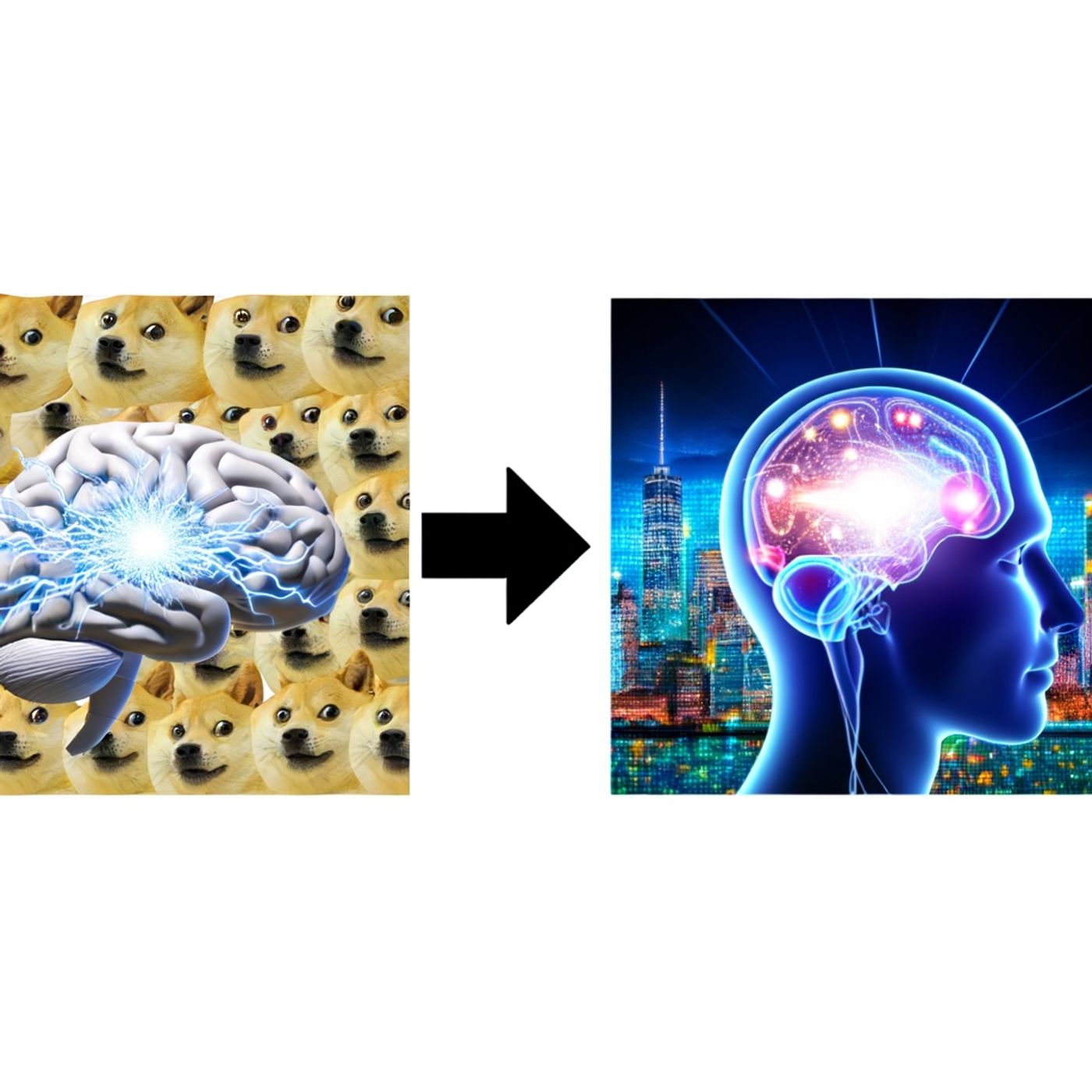
DOGE Transforms US Government: How a Meme Became a Radical Efficiency Powerhouse Reshaping Federal Operations episode artwork

EPISODE · Jun 29, 2025 · 2 MIN

DOGE Transforms US Government: How a Meme Became a Radical Efficiency Powerhouse Reshaping Federal Operations

from Gov Efficiency Beyond Meme: DOGE Thinking Work? · host Inception Point AI

Listeners, the Department of Government Efficiency—DOGE—has rapidly moved from internet meme to a central force in U.S. politics and policy since its establishment by President Donald Trump on January 20, 2025. Far from just a tongue-in-cheek nod to online culture, DOGE is tasked with modernizing federal technology, eliminating bureaucratic waste, and synchronizing government software and data integrity nationwide. This ambitious project, driven by a blend of Silicon Valley know-how and public sector urgency, is already reshaping how government operates[1][3]. DOGE’s approach leverages artificial intelligence for what many now call algorithmic governance. This means more decisions are guided or directly made by automated systems, aimed at improving speed and efficiency across agencies. Each federal agency now has its own “DOGE team,” typically four experts led by a team lead, all working in coordination with the U.S. DOGE Service, which temporarily replaced the previous U.S. Digital Service[1]. The department’s results have been headline-grabbing: DOGE claims to have saved up to $180 billion by auditing agencies, rescinding redundant regulations, and slashing federal spending. One high-profile tactic was urging government workers to accept a deferred resignation plan, maintaining pay and benefits through September but removing them from active duty. Over 24,000 workers who were originally let go have already been reinstated after a court ruling[2][5]. However, the drive for efficiency has not come without a cost. Independent analysts, including the nonpartisan Partnership for Public Service, estimate DOGE’s measures will ultimately cost taxpayers about $135 billion this fiscal year—due to factors like paid leave for sidelined employees, re-hiring, lost productivity, and uncollected taxes from reduced IRS staffing. This does not account for the expense of defending DOGE’s policies in court[2][5]. DOGE’s rise has also had cultural reverberations. The department’s name and meme-savvy branding, amplified by the likes of Elon Musk and Vivek Ramaswamy, led to a social media surge and even a Dogecoin price spike, blurring the line between policy and pop culture[4]. DOGE illustrates how quickly an idea—born from meme humor—can upend deeply entrenched systems. Whether these radical moves deliver lasting efficiency or unintended headaches remains an open question as the July 2026 sunset for DOGE’s current mandate approaches[1][3][5]. This content was created in partnership and with the help of Artificial Intelligence AI.

Listeners, the Department of Government Efficiency—DOGE—has rapidly moved from internet meme to a central force in U.S. politics and policy since its establishment by President Donald Trump on January 20, 2025. Far from just a tongue-in-cheek nod to online culture, DOGE is tasked with modernizing federal technology, eliminating bureaucratic waste, and synchronizing government software and data integrity nationwide. This ambitious project, driven by a blend of Silicon Valley know-how and public sector urgency, is already reshaping how government operates[1][3]. DOGE’s approach leverages artificial intelligence for what many now call algorithmic governance. This means more decisions are guided or directly made by automated systems, aimed at improving speed and efficiency across agencies. Each federal agency now has its own “DOGE team,” typically four experts led by a team lead, all working in coordination with the U.S. DOGE Service, which temporarily replaced the previous U.S. Digital Service[1]. The department’s results have been headline-grabbing: DOGE claims to have saved up to $180 billion by auditing agencies, rescinding redundant regulations, and slashing federal spending. One high-profile tactic was urging government workers to accept a deferred resignation plan, maintaining pay and benefits through September but removing them from active duty. Over 24,000 workers who were originally let go have already been reinstated after a court ruling[2][5]. However, the drive for efficiency has not come without a cost. Independent analysts, including the nonpartisan Partnership for Public Service, estimate DOGE’s measures will ultimately cost taxpayers about $135 billion this fiscal year—due to factors like paid leave for sidelined employees, re-hiring, lost productivity, and uncollected taxes from reduced IRS staffing. This does not account for the expense of defending DOGE’s policies in court[2][5]. DOGE’s rise has also had cultural reverberations. The department’s name and meme-savvy branding, amplified by the likes of Elon Musk and Vivek Ramaswamy, led to a social media surge and even a Dogecoin price spike, blurring the line between policy and pop culture[4]. DOGE illustrates how quickly an idea—born from meme humor—can upend deeply entrenched systems. Whether these radical moves deliver lasting efficiency or unintended headaches remains an open question as the July 2026 sunset for DOGE’s current mandate approaches[1][3][5]. This content was created in partnership and with the help of Artificial Intelligence AI.

NOW PLAYING

DOGE Transforms US Government: How a Meme Became a Radical Efficiency Powerhouse Reshaping Federal Operations

0:00 2:39

No transcript for this episode yet

We transcribe on demand. Request one and we'll notify you when it's ready — usually under 10 minutes.

That Hoarder: Overcome Compulsive Hoarding That Hoarder Hoarding disorder is stigmatised and people who hoard feel vast amounts of shame. This podcast began life as an audio diary, an anonymous outlet for somebody with this weird condition. That Hoarder speaks about her experiences living with compulsive hoarding, she interviews therapists, academics, researchers, children of hoarders, professional organisers and influencers, and she shares insight and tips for others with the problem. Listened to by people who hoard as well as those who love them and those who work with them, Overcome Compulsive Hoarding with That Hoarder aims to shatter the stigma, share the truth and speak openly and honestly to improve lives. The Field Priest Methodius Chwastek The Field is a place of cultivation and of battle. In the Church, we learn to cultivate a life pleasing to God. This life is shaped in the spiritual battle. This series examines, chapter by chapter, the Christian classic The Field, by Saint Ignatius Brianchaninov. Please join me as I explain this great work in terms the modern Orthodox Christian can understand.  Humanizing Change Tremendousness Join us each episode as we talk with innovators in their respective fields about their unique journeys and how they humanize change in their own work, right here, on Humanizing Change. Tao Te Ching by Laozi (Author), Stephen Mitchell (Full Audiobook) Laozi Lao-tzu's Tao Te Ching, or Book of the Way, is the classic manual on the art of living, and one of the wonders of the world. In eighty-one brief chapters, the Tao Te Ching looks at the basic predicament of being alive and gives advice that imparts balance and perspective, a serene and generous spirit. This book is about wisdom in action. It teaches how to work for the good with the effortless skill that comes from being in accord with the Tao (the basic principle of the universe) and applies equally to good government and sexual love; to child rearing, business, and ecology.Stephen Mitchell's bestselling version has been widely acclaimed as a gift to contemporary culture.

Frequently Asked Questions

How long is this episode of Gov Efficiency Beyond Meme: DOGE Thinking Work??

This episode is 2 minutes long.

When was this Gov Efficiency Beyond Meme: DOGE Thinking Work? episode published?

This episode was published on June 29, 2025.

What is this episode about?

Listeners, the Department of Government Efficiency—DOGE—has rapidly moved from internet meme to a central force in U.S. politics and policy since its establishment by President Donald Trump on January 20, 2025. Far from just a tongue-in-cheek nod to...

Is there a transcript available for this episode?

Yes, a full transcript is available for this episode. You can read the complete transcript on the episode page.

Can I download this Gov Efficiency Beyond Meme: DOGE Thinking Work? episode?

Yes, you can download this episode by clicking the download button on the episode player, or subscribe to the podcast in your preferred podcast app for automatic downloads.
URL copied to clipboard!