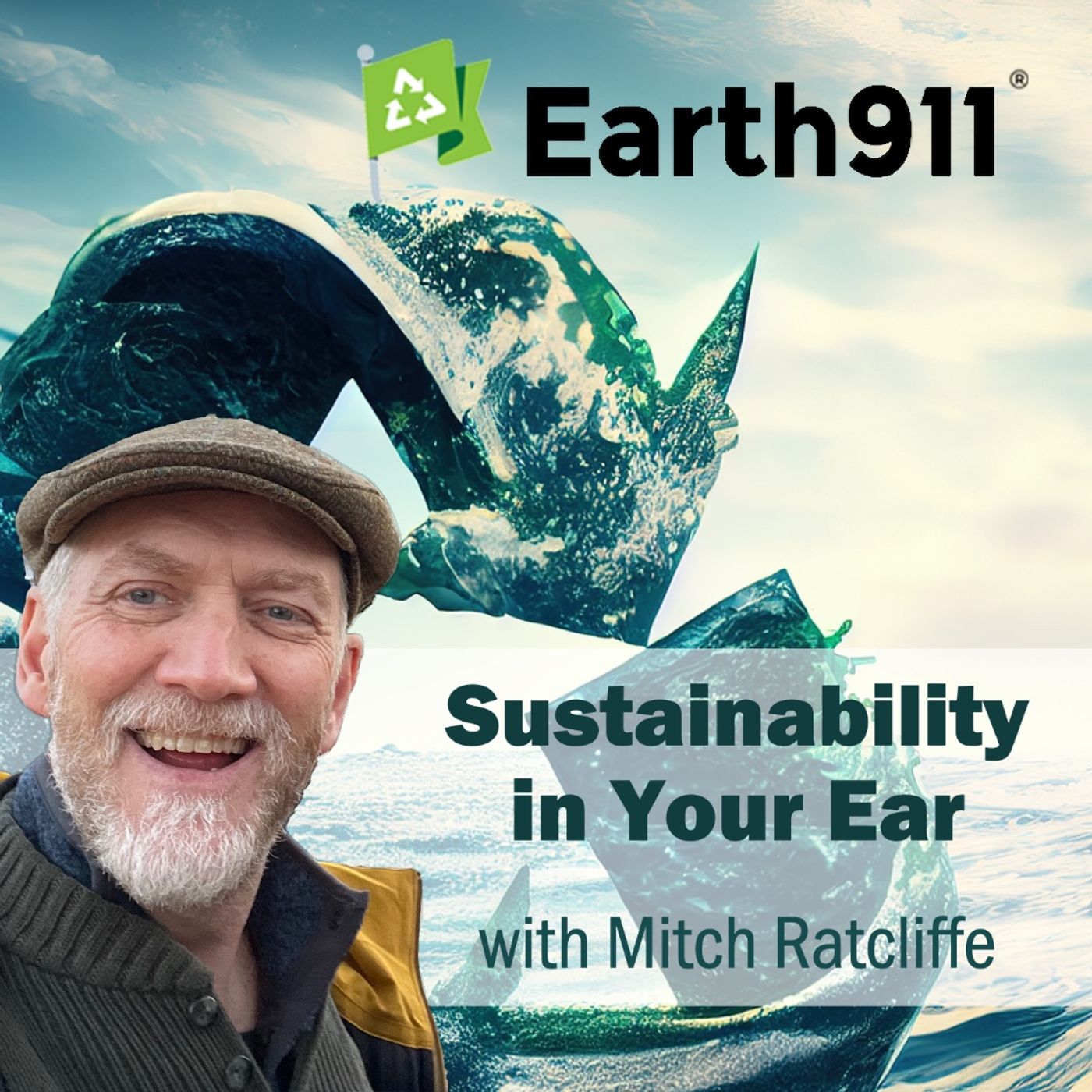
Don Carli On Tuning What We See Online To Reduce eCommerce Returns episode artwork

EPISODE · Apr 6, 2026 · 49 MIN

Don Carli On Tuning What We See Online To Reduce eCommerce Returns

from Sustainability In Your Ear · host Mitch Ratcliffe

$850 billion. That's what retail and e-commerce returns will cost in 2026, generating 8.4 billion pounds of landfill waste — and a surprising share of it involves products that worked perfectly. They just didn't look the way people expected. About 22% of consumers return items because the product looked different in person than it did online, and for home goods and textiles, that number climbs higher. The culprit has a name: metamerism — the way colors shift under different light sources, so the navy sectional and the matching throw pillow that looked identical on your screen clash under your living room LEDs. Don Carli, founder of Nima Hunter and Senior Research Fellow at the Institute for Sustainable Communication, joins Sustainability In Your Ear to explain why this keeps happening and what it would take to stop it.The fix isn't a moonshot. The relevant standards — glTF for digital rendering and ICC Max for physical material appearance — already exist and were designed to be connected. Digital textile printing already makes it possible to produce fabrics with pigment recipes that match under any lighting condition, not just one. What's missing is coordination: brands putting spectral consistency requirements into their supplier purchase orders, the same way the GMI certification transformed packaging quality once Target and Home Depot required it. The Khronos 3D Commerce Working Group has already standardized how products look across digital screens — the next step is bridging that standard to the physical object.When we get this right, a sofa stays in the home it was ordered for instead of traveling a thousand miles back to a distribution center and ending up in a landfill. That's what circularity looks like when it's applied to the seam between the digital world and the physical one.Follow Don's work at WhatTheyThink.com and on X at @DCarli.Subscribe to Sustainability In Your Ear on iTunesFollow Sustainability In Your Ear on Spreaker, iHeartRadio, or YouTube

$850 billion. That's what retail and e-commerce returns will cost in 2026, generating 8.4 billion pounds of landfill waste — and a surprising share of it involves products that worked perfectly. They just didn't look the way people expected. About 22% of consumers return items because the product looked different in person than it did online, and for home goods and textiles, that number climbs higher. The culprit has a name: metamerism — the way colors shift under different light sources, so the navy sectional and the matching throw pillow that looked identical on your screen clash under your living room LEDs. Don Carli, founder of Nima Hunter and Senior Research Fellow at the Institute for Sustainable Communication, joins Sustainability In Your Ear to explain why this keeps happening and what it would take to stop it.The fix isn't a moonshot. The relevant standards — glTF for digital rendering and ICC Max for physical material appearance — already exist and were designed to be connected. Digital textile printing already makes it possible to produce fabrics with pigment recipes that match under any lighting condition, not just one. What's missing is coordination: brands putting spectral consistency requirements into their supplier purchase orders, the same way the GMI certification transformed packaging quality once Target and Home Depot required it. The Khronos 3D Commerce Working Group has already standardized how products look across digital screens — the next step is bridging that standard to the physical object.When we get this right, a sofa stays in the home it was ordered for instead of traveling a thousand miles back to a distribution center and ending up in a landfill. That's what circularity looks like when it's applied to the seam between the digital world and the physical one.Follow Don's work at WhatTheyThink.com and on X at @DCarli.Subscribe to Sustainability In Your Ear on iTunesFollow Sustainability In Your Ear on Spreaker, iHeartRadio, or YouTube

NOW PLAYING

Don Carli On Tuning What We See Online To Reduce eCommerce Returns

0:00 49:14

No transcript for this episode yet

We transcribe on demand. Request one and we'll notify you when it's ready — usually under 10 minutes.

MG Show MG Show The MG Show, hosted by Jeffrey Pedersen and Shannon Townsend, is a leading alternative media platform dedicated to uncovering the truth behind today’s most pressing political issues. Launched in 2019, the show has grown exponentially, offering unfiltered insights, comprehensive research, and real-time analysis. With a commitment to independent journalism and factual integrity, the MG Show empowers its audience with knowledge and encourages active participation in the political discourse. Eat to Live Jenna Fuhrman, Dr. Fuhrman Our health is our most precious gift and smart nutrition can change your life. Each month, join Dr. Fuhrman and his daughter, Jenna Fuhrman as they discuss important topics in the world of nutrition. Eat to Live will change the way you eat and think about food. French Your Way Jessica: Native French teacher founder of French Your Way Boost your French listening skills and test your comprehension with this one of a kind series of podcasts. Get the chance to listen to a real conversation between native speakers talking at normal speed AND customise your learning experience through carefully designed sets of questions (2 levels of difficulty) available for download at www.frenchvoicespodcast.com. All interviews also come with the transcript. French teacher Jessica interviews native speakers of French from around the world who share a bit of their life and passion. Where else would you meet in one same place a French yoga teacher based in Melbourne, a soap manufacturer from Provence, or a couple cycling around the world? Destiny Architecture® Meditations Heather Larson Bring your mediation practice into the Valueverse.

Frequently Asked Questions

How long is this episode of Sustainability In Your Ear?

This episode is 49 minutes long.

When was this Sustainability In Your Ear episode published?

This episode was published on April 6, 2026.

What is this episode about?

$850 billion. That's what retail and e-commerce returns will cost in 2026, generating 8.4 billion pounds of landfill waste — and a surprising share of it involves products that worked perfectly. They just didn't look the way people expected. About...

Is there a transcript available for this episode?

Yes, a full transcript is available for this episode. You can read the complete transcript on the episode page.

Can I download this Sustainability In Your Ear episode?

Yes, you can download this episode by clicking the download button on the episode player, or subscribe to the podcast in your preferred podcast app for automatic downloads.
URL copied to clipboard!