
EPISODE · May 24, 2020 · 43 MIN
Don't Call it a Brain in a Dish!
from The a16z Show · host Vijay Pande, Hanne Tidnam, Sergiu Pasca
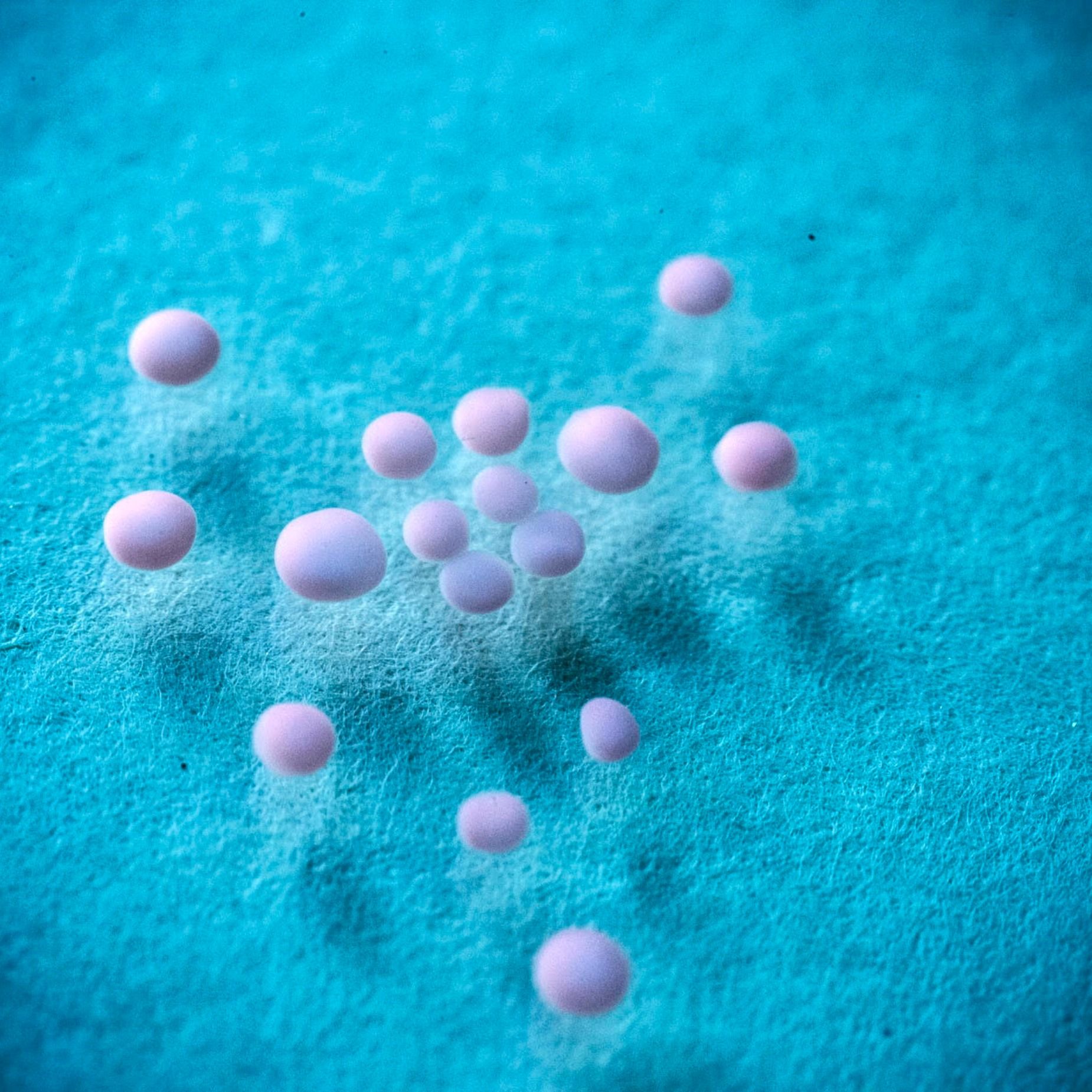
Our understanding of the human brain and its disorders has always been limited by our lack of access to living, human, developing brain tissue. For the first time, that's changing. In this episode, Sergiu Pasca, Professor of Behavioral Science at Stanford, talks with a16'z General Partner Vijay Pande and Hanne Tidnam about the wild new tech that's pioneering a whole new approach to understanding the brain: brain organoids.So what are brain organoids, what are the scientific breakthroughs that lead to their creation, and how can we use them best? The conversation starts with the existing models we have used to learn about the living brain, from genetic studies to autopsies to primates—and what this new model now brings us: the ability to study the human brain, both how it develops and what goes wrong in certain disorders, with human brain tissue "alive" in a dish. We talk about what these organoids can and can’t do; what they’re good for understanding and where that understanding becomes limited; why calling these “brains in a dish” or “mini-brains” isn’t the right terminology at all; and finally, how far can this new tool and model be taken now and in the future, leading us closer towards understanding psychology itself on a molecular level.Image: Brain organoids derived in the Pasca Lab at Stanford University. Stay Updated:Find a16z on YouTube: YouTubeFind a16z on XFind a16z on LinkedInListen to the a16z Show on SpotifyListen to the a16z Show on Apple PodcastsFollow our host: https://twitter.com/eriktorenberg Please note that the content here is for informational purposes only; should NOT be taken as legal, business, tax, or investment advice or be used to evaluate any investment or security; and is not directed at any investors or potential investors in any a16z fund. a16z and its affiliates may maintain investments in the companies discussed. For more details please see a16z.com/disclosures. Hosted by Simplecast, an AdsWizz company. See pcm.adswizz.com for information about our collection and use of personal data for advertising.
Embed this episode
What this episode covers
with @PascaStanford, @VijayPande, and @omnivorousread Our understanding of the human brain and its disorders has always been limited by our lack of access to living, human, developing brain tissue. For the first time, that's changing. In this episode, Sergiu Pasca, Professor of Behavioral Science at Stanford, talks with a16'z General Partner Vijay Pande and Hanne Tidnam about the wild new tech that's pioneering a whole new approach to understanding the brain: brain organoids. This conversation covers what these organoids can and can’t do; what they’re good for understanding and where that understanding becomes limited; why calling these “brains in a dish” or “mini-brains” isn’t the right terminology at all; and finally, how far can this new tool and model be taken now and in the future, leading us closer towards understanding psychology itself on a molecular level.
NOW PLAYING
Don't Call it a Brain in a Dish!
No transcript for this episode yet
Similar Episodes
Similar Podcasts
No similar podcasts found.