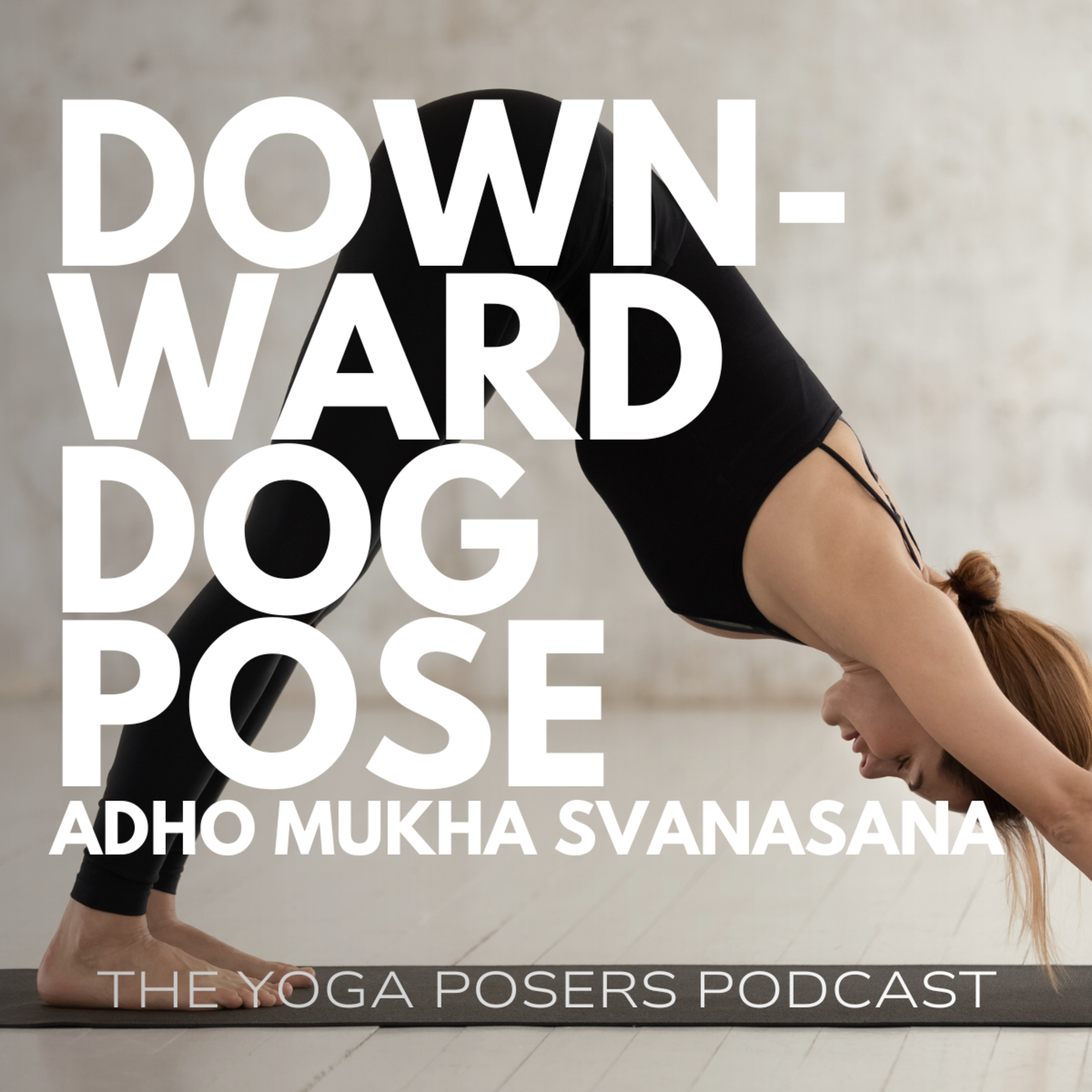
Downward Dog Isn’t a Rest Pose (at first): Alignment, Wrists & Hamstrings Explained
from The Yoga Posers Podcast Hosted by Sarah Westbrook, C-IAYT
Downward Dog might be the most recognizable yoga pose in the world—but that doesn’t mean it’s easy. In this episode of Yoga Posers, Sarah and Jane unpack Adho Mukha Svanasana and explain why this pose—often described as a “rest pose”—can feel anything but restful, especially for beginners. If Downward Dog hurts your wrists, tightens your shoulders, or makes your hamstrings scream, you’re not alone. We explore the mechanics behind the pose and why common cues like “straighten your legs” can actually be counter-productive. In this conversation we cover: • Why Downward Dog often doesn’t feel like a rest pose (at first) • The real reasons people experience wrist pain in Downward Dog • How tight hamstrings affect pelvic tilt and spinal alignment • Why bending your knees is essential for tight hamstrings • Shoulder mechanics and why your shoulder blades need to move • How core support and rib position influence wrist pain and staying power • Why breath and inversion can change how the pose feels in your nervous system Downward Dog is a pose that evolves over time. As strength, mobility, and awareness improve, what once felt difficult can gradually become a place to regroup in the middle of a practice. If you’ve ever wondered why Downward Dog feels so challenging—or how to make it work better for your body—this episode will change how you approach the pose.
Embed this episode
No transcript yet.