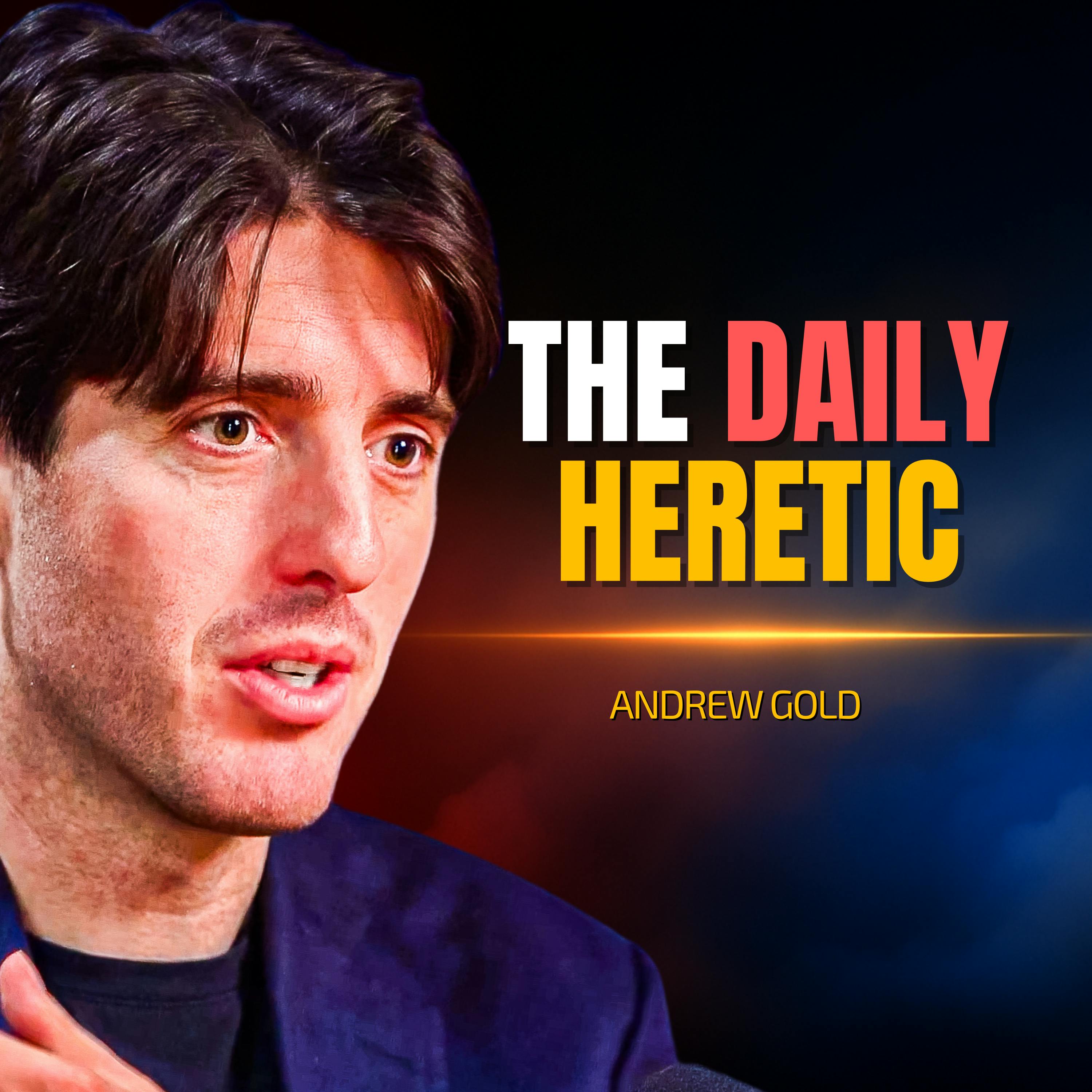
Dr. Daniel Allington - The Psychology Behind Why WOKE Academics Get Tommy Robinson WRONG episode artwork

EPISODE · Mar 4, 2026 · 14 MIN

Dr. Daniel Allington - The Psychology Behind Why WOKE Academics Get Tommy Robinson WRONG

from The Daily Heretic · host Andrew Gold

Subscribe to The Daily Heretic for fearless conversations about psychology, ideology, and why public debate so often collapses into caricature. 👉 https://www.youtube.com/@hereticsclips/videos Why do so many academics and commentators get Tommy Robinson completely wrong? In this episode of Heretics, I’m joined by Dr Daniel Allington, a scholar and commentator, to explore the psychological and institutional reasons why figures like Robinson are routinely mislabelled — and why nuance is the first casualty in modern academic discourse. Dr Allington argues that Robinson is often framed as “far right” not because of what he actually believes, but because of how ideological sorting works inside universities and media culture. According to Allington, Robinson’s positions are better understood as broadly centrist on many issues, including culture and community, while being sharply critical of extreme Islamism — a distinction that is frequently ignored or flattened into moral shorthand. These are Allington’s interpretations, grounded in his analysis of political psychology and discourse. The conversation digs into why academia struggles with figures who don’t fit neat categories. Dr Allington explains how moral signalling, in-group conformity, and reputational fear shape academic responses. Once someone is placed in a symbolic “out-group”, evidence about their actual views becomes irrelevant. Labels replace analysis, and criticism becomes performative rather than precise. We also examine how research into Islamism and antisemitism intersects with this dynamic. Dr Allington explains why scholars who challenge dominant narratives — whether about extremism, community relations, or political labels — often face resistance even when their arguments are careful and evidence-based. The result, he argues, is an environment where intellectual shortcuts are rewarded and complexity is punished. Crucially, this episode is not an endorsement of any individual or movement. It’s an examination of how misunderstanding happens, and why institutional cultures are prone to exaggeration and misclassification. Dr Allington stresses the importance of separating criticism of ideology from hostility toward people, and why failing to do so damages both scholarship and public trust. We also explore the wider implications. When academics misread or oversimplify public figures, policy debates suffer. Communities polarise further, and legitimate concerns about extremism are dismissed because they’re associated with the “wrong” messenger. Dr Allington argues that this dynamic makes serious problems harder — not easier — to address. You don’t have to agree with every conclusion in this discussion to find it valuable. Its purpose is to ask why disagreement has become moralised, why labels are preferred to analysis, and why understanding motivation matters more than slogans. If you care about psychology, free inquiry, and why modern debate feels so distorted, this episode offers a sharp and uncomfortable insight into how academia often gets it wrong. Watch the full podcast here: https://open.spotify.com/episode/3rmxguD5RYJJ5INlvnNxF0?si=57d7fbe0f6734678 #DanielAllington #TommyRobinson #PoliticalPsychology #AcademicBias #HereticsPodcast #FreeSpeechUK #ExtremismDebate #CultureWars Learn more about your ad choices. Visit megaphone.fm/adchoices

Subscribe to The Daily Heretic for fearless conversations about psychology, ideology, and why public debate so often collapses into caricature. 👉 https://www.youtube.com/@hereticsclips/videos Why do so many academics and commentators get Tommy Robinson completely wrong? In this episode of Heretics, I’m joined by Dr Daniel Allington, a scholar and commentator, to explore the psychological and institutional reasons why figures like Robinson are routinely mislabelled — and why nuance is the first casualty in modern academic discourse. Dr Allington argues that Robinson is often framed as “far right” not because of what he actually believes, but because of how ideological sorting works inside universities and media culture. According to Allington, Robinson’s positions are better understood as broadly centrist on many issues, including culture and community, while being sharply critical of extreme Islamism — a distinction that is frequently ignored or flattened into moral shorthand. These are Allington’s interpretations, grounded in his analysis of political psychology and discourse. The conversation digs into why academia struggles with figures who don’t fit neat categories. Dr Allington explains how moral signalling, in-group conformity, and reputational fear shape academic responses. Once someone is placed in a symbolic “out-group”, evidence about their actual views becomes irrelevant. Labels replace analysis, and criticism becomes performative rather than precise. We also examine how research into Islamism and antisemitism intersects with this dynamic. Dr Allington explains why scholars who challenge dominant narratives — whether about extremism, community relations, or political labels — often face resistance even when their arguments are careful and evidence-based. The result, he argues, is an environment where intellectual shortcuts are rewarded and complexity is punished. Crucially, this episode is not an endorsement of any individual or movement. It’s an examination of how misunderstanding happens, and why institutional cultures are prone to exaggeration and misclassification. Dr Allington stresses the importance of separating criticism of ideology from hostility toward people, and why failing to do so damages both scholarship and public trust. We also explore the wider implications. When academics misread or oversimplify public figures, policy debates suffer. Communities polarise further, and legitimate concerns about extremism are dismissed because they’re associated with the “wrong” messenger. Dr Allington argues that this dynamic makes serious problems harder — not easier — to address. You don’t have to agree with every conclusion in this discussion to find it valuable. Its purpose is to ask why disagreement has become moralised, why labels are preferred to analysis, and why understanding motivation matters more than slogans. If you care about psychology, free inquiry, and why modern debate feels so distorted, this episode offers a sharp and uncomfortable insight into how academia often gets it wrong. Watch the full podcast here: https://open.spotify.com/episode/3rmxguD5RYJJ5INlvnNxF0?si=57d7fbe0f6734678 #DanielAllington #TommyRobinson #PoliticalPsychology #AcademicBias #HereticsPodcast #FreeSpeechUK #ExtremismDebate #CultureWars Learn more about your ad choices. Visit megaphone.fm/adchoices

NOW PLAYING

Dr. Daniel Allington - The Psychology Behind Why WOKE Academics Get Tommy Robinson WRONG

0:00 14:21

No transcript for this episode yet

We transcribe on demand. Request one and we'll notify you when it's ready — usually under 10 minutes.

Frequently Asked Questions

How long is this episode of The Daily Heretic?

This episode is 14 minutes long.

When was this The Daily Heretic episode published?

This episode was published on March 4, 2026.

What is this episode about?

Subscribe to The Daily Heretic for fearless conversations about psychology, ideology, and why public debate so often collapses into caricature. 👉 https://www.youtube.com/@hereticsclips/videos Why do so many academics and commentators get Tommy...

Can I download this The Daily Heretic episode?

Yes, you can download this episode by clicking the download button on the episode player, or subscribe to the podcast in your preferred podcast app for automatic downloads.
URL copied to clipboard!