
EPISODE · Aug 21, 2026 · 31 MIN
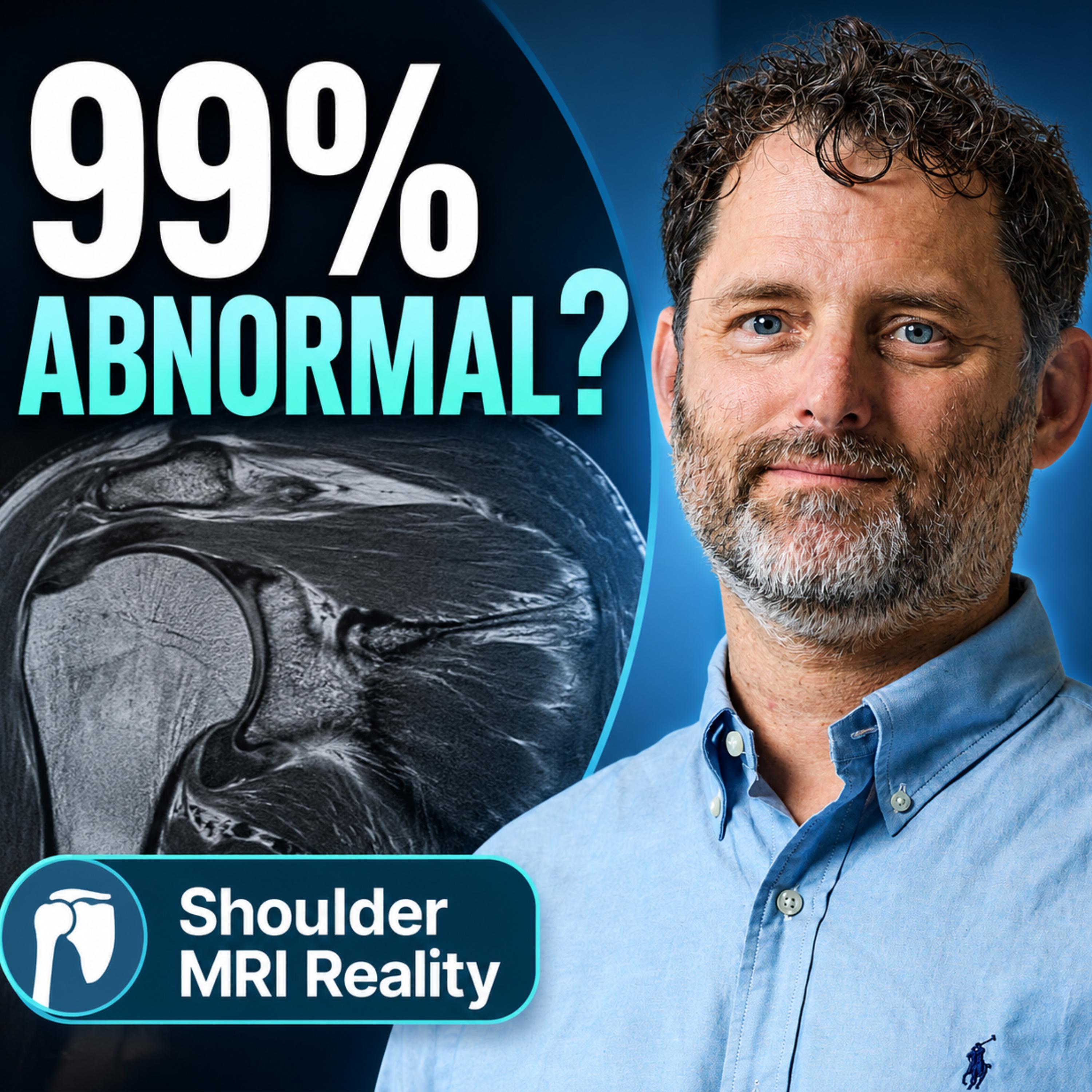
Dr. Thomas Ibounig on Incidental Rotator Cuff Abnormalities and Shoulder MRI
from Hands On Hands Off: Manual Therapy & Orthopedic Physical Therapy (AAOMPT) · host AAOMPT
In this episode, host Leda McDaniel speaks with Dr. Thomas Ibounig, shoulder and elbow surgeon at Helsinki University Hospital and researcher with the Finnish Centre for Evidence-Based Orthopaedics.Dr. Ibounig discusses his 2026 JAMA study, “Incidental Rotator Cuff Abnormalities on Magnetic Resonance Imaging.” The conversation explores how common rotator cuff abnormalities are on MRI, including in asymptomatic individuals, and what that means for clinicians interpreting imaging findings in patients with shoulder pain.The study used a representative Finnish population sample, bilateral 3 Tesla MRI imaging, shoulder surgeon clinical examination, and extensive questionnaire data to examine the relationship between imaging findings, symptoms, clinical tests, and broader patient factors.Dr. Ibounig explains why MRI findings and isolated clinical tests may not identify the source of pain as reliably as clinicians often assume. He also discusses why terminology matters when explaining imaging to patients, how structural findings can become over-medicalized, and why future research needs to look beyond anatomy toward psychological, occupational, metabolic, and longitudinal contributors to shoulder pain.This episode is especially relevant for orthopedic manual physical therapists, surgeons, sports clinicians, educators, and anyone helping patients make sense of shoulder MRI findings.Link to referenced study: https://jamanetwork.com/journals/jamainternalmedicine/fullarticle/2844659Key TakeawaysMRI abnormalities are extremely common after age 40.Dr. Ibounig reports that nearly every shoulder over 40 in the study showed some abnormality on MRI.Abnormal does not always mean pathological.Findings such as tendinopathy, partial-thickness tears, and even some full-thickness tears may be part of aging rather than the clear source of symptoms.Symptoms and imaging do not map cleanly.Full-thickness rotator cuff tears were more common in symptomatic shoulders, but many findings were also present in asymptomatic shoulders.Clinical tests may not add as much certainty as clinicians hope.Even a thorough clinical exam did not clearly improve the ability to distinguish symptomatic from asymptomatic rotator cuff findings.Language matters.Telling a patient their shoulder is “torn” or “broken” can create fear, even when the finding may be common for their age.Shoulder pain needs a broader explanatory model.Dr. Ibounig emphasizes that future research should explore pain mechanisms beyond structure, including psychological, metabolic, occupational, and longitudinal factors.Clinical humility is essential.One of the episode’s strongest messages is that experience often brings less certainty, not more.
Embed this episode
Ready to play
Dr. Thomas Ibounig on Incidental Rotator Cuff Abnormalities and Shoulder MRI
No transcript for this episode yet
Similar Episodes
No similar episodes found.
Similar Podcasts
No similar podcasts found.