
EPISODE · Jul 8, 2017 · 3H 17M
DZ-43: Driving Sequences - Character and Plot Intensity
from Draft Zero: a screenwriting podcast · host Chas Fisher and Stuart Willis
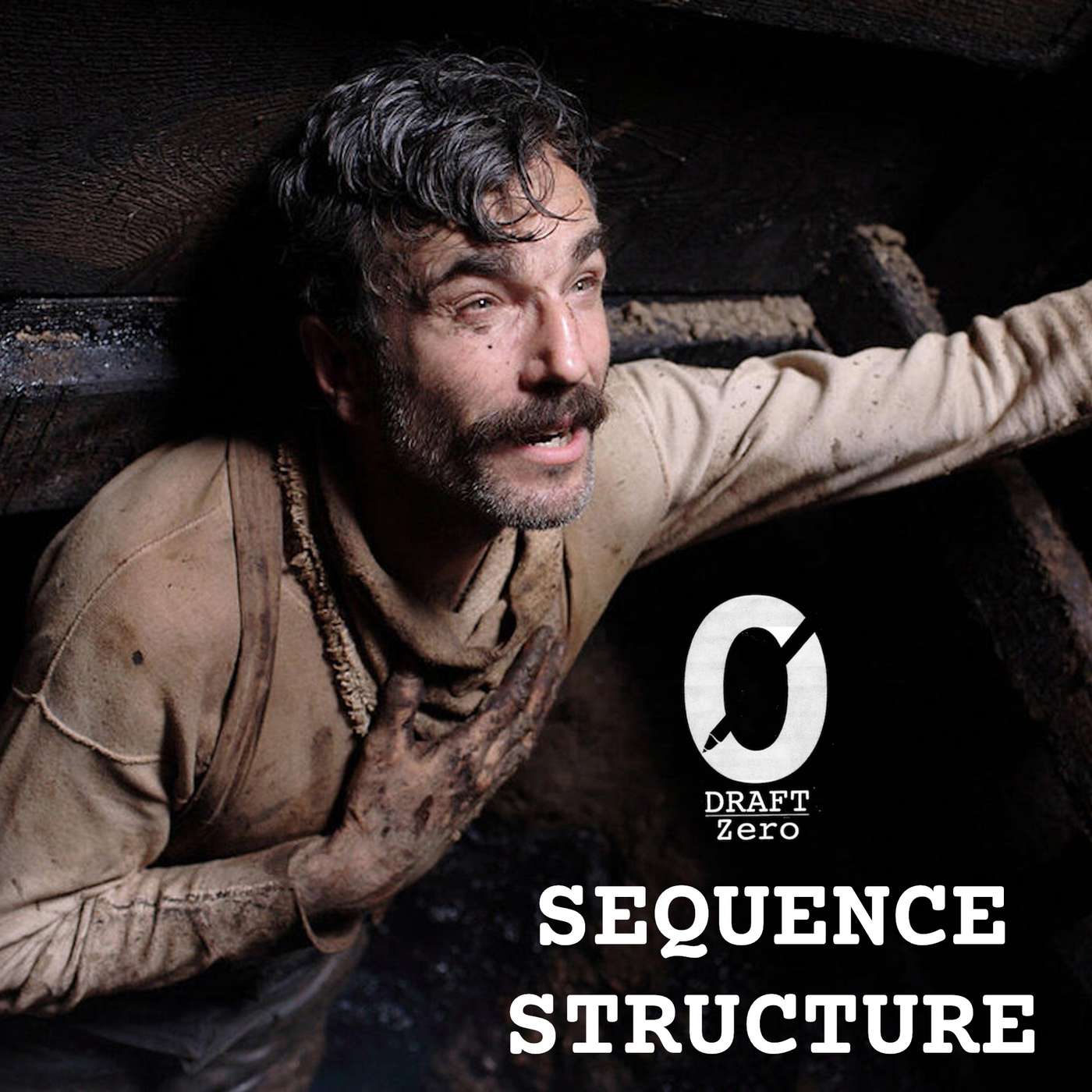
Listen to understand how dramatic questions shape audience engagement and pacing through sequences. Chas and Stu are joined for the fourth time by the inestimable Stephen Cleary - this time to take a deep dive into sequences. A real deep dive. A 3+ hour deep dive. Stephen postulates that sequences can compel the audience in different ways via the type of dramatic questions being posed. Are they plot questions ("Will she defuse the bomb?") or character questions ("Will she understand what compels her to defuse bombs?") or a combination of both? What is the impact on the pacing, structure of your story or audience experience of your characters by changing the type of question being asked? What happens to your story when your protagonist decides to literally abandon the plot? Our deep dive roams through THE BOURNE IDENTITY, NAKED, THE DIVING BELL & THE BUTTERFLY, THERE WILL BE BLOOD, FARGO (the movie) and CHILDREN OF MEN... with many-a-tangent referencing HEAT, FRENZY, SAVING PRIVATE RYAN, AMOUR, CHEF, HAPPY-GO-LUCKY, THE KINGSMAN, FURY ROAD, THE COLOUR OF POMEGRANATES, LIVING IS EASY WITH YOUR EYES CLOSED, MOONLIGHT, and probably some more that we've forgotten. PS: Thanks to all our listeners who provided feedback on a draft edit of this episode. As always: SPOILERS ABOUND and all copyright material used under fair use for educational purposes. LIKE THIS EPISODE? Watch and comment on YouTube. Send us feedback. Thanks to our Patrons, especially Khrob, Theis, Sandra, Jesse, Randy, Paulo, Thomas, Jennifer, Malay, Alexandre and Lily. → Read the transcript for this episode. ——— "But at the point where the audience gets a little bit, okay, this is getting a bit philosophical, you then just drop, you just end up dropping, you're dropping a 12 minute car chase." — Stephen-Cleary @ 00:00:00 ——— CHAPTERS 00:00:00 – Introduction 00:01:38 – History and Theory of Sequences 00:05:08 – › Testing reel-length theory against silent film evidence 00:10:53 – › Dramatic questions as the engine of sequence structure 00:17:10 – 3 Kinds of sequences 00:19:44 – Plot-Lite Revisted - AMOUR, CHEF AND HAPPY-GO-LUCKY 00:24:01 – High Intensity Plot Sequences - HEAT and FRENZY 00:27:09 – › Intensity as the constant across plot and character sequences 00:31:10 – › Three sequence types and the limits of pure character storytelling 00:36:07 – BOURNE IDENTITY - Homestead sequence 00:38:29 – › Converting plot sequences into plot-character sequences 00:47:01 – › When the hero refuses action, plot reasserts itself 00:51:27 – › Character resolution across the trilogy's arc 00:54:43 – NAKED - Maggie Sequence 00:58:11 – › How plot dissolves as a character loses meaning 01:02:47 – › Classical sequence structure beneath unconventional storytelling 01:06:35 – Road Movies and LIVING IS EASY WITH YOUR EYES CLOSED 01:09:26 – › LIVING IS EASY WITH EYES CLOSED as plot-to-character arc 01:13:00 – NAKED - Security Guard Sequence 01:17:40 – › Defining character questions versus plot questions 01:21:31 – Plot as The Hook 01:24:06 – › Using sequence types to provoke genre conventions in BOURNE 01:26:44 – THE KINGSMAN 01:29:41 – › How plot relaxation enables character intensity 01:32:43 – Character Sequences & Audience Introspection 01:34:52 – DIVING BELL AND THE BUTTERFLY 01:38:54 – › Character question versus plot question in opening sequences 01:41:03 – › How plot and character questions interlock across story structure 01:44:35 – › Character-first structure as inversion of conventional story logic 01:51:32 – › Adaptation craft and writing the subjective experience on the page 01:55:41 – THERE WILL BE BLOOD 01:58:32 – › Plot overload versus character engagement as audience resource 02:03:25 – › Imagistic sequencing as an alternative story logic 02:05:28 – FARGO 02:09:29 – › How a detour scene reveals character without plot function 02:14:57 – › Marge's strategy: letting people reveal themselves 02:20:12 – CHILDREN OF MEN 02:23:33 – › Character question versus plot question in opening sequences 02:31:04 – › World as character and the faith-versus-chance thematic core 02:43:40 – › Pure character scenes and how they contrast with genre expectations 02:50:27 – › Sequences as a tool for writers to understand and control audience engagement 03:03:44 – Key Learnings 03:06:21 – › Sequence types as a structural palette for writers 03:09:44 – Final Words FILMS THE BOURNE IDENTITY (2002) — (w) William Blake Herron, Tony Gilroy, Robert Ludlum (d) Doug Liman NAKED (1993) — (w) Mike Leigh THE DIVING BELL AND THE BUTTERFLY (2007) — (w) Ronald Harwood (d) Julian Schnabel THERE WILL BE BLOOD (2007) — (w) Upton Sinclair, Paul Thomas Anderson (d) Paul Thomas Anderson FARGO (1996) — (w) Ethan Coen, Joel Coen (d) Joel Coen, Ethan Coen CHILDREN OF MEN (2006) — (w) Timothy J Sexton, David Arata, Alfonso Cuaron, Mark Fergus, Hawk Ostby, P D James (d) Alfonso Cuaron KINGSMAN: THE SECRET SERVICE (2015) — (w) Jane Goldman, Matthew Vaughn (d) Matthew Vaughn SCRIPTS Study the script: THE BOURNE IDENTITY (2002) — William Blake Herron, Tony Gilroy, Robert Ludlum Study the script: THE DIVING BELL AND THE BUTTERFLY (2007) — Ronald Harwood Study the script: THERE WILL BE BLOOD (2007) — Upton Sinclair, Paul Thomas Anderson Study the script: FARGO (1996) — Ethan Coen, Joel Coen Study the script: CHILDREN OF MEN (2006) — Timothy J Sexton, David Arata, Alfonso Cuaron, Mark Fergus, Hawk Ostby, P D James SHOT ZERO DEEP DIVES Staging the violence in TOTAL RECALL 1990 vs 2012 Time and space in staging "Oners" LINKS YouTube: HEAT - Bank Robbery YouTube: FRENZY - Potato Truck Scene YouTube: NAKED - Maggie! Scene from Mike Leigh's 1993 Drama YouTube: NAKED - Jonny and the Secur...
Embed this episode
Ready to play
DZ-43: Driving Sequences - Character and Plot Intensity
No transcript for this episode yet
Similar Episodes
No similar episodes found.
Similar Podcasts
No similar podcasts found.