
EPISODE · Apr 1, 2026 · 2H 15M
E121 Yiddish In Bloom ft. Wilf
from Gladio Free Europe · host Gladio Free Europe
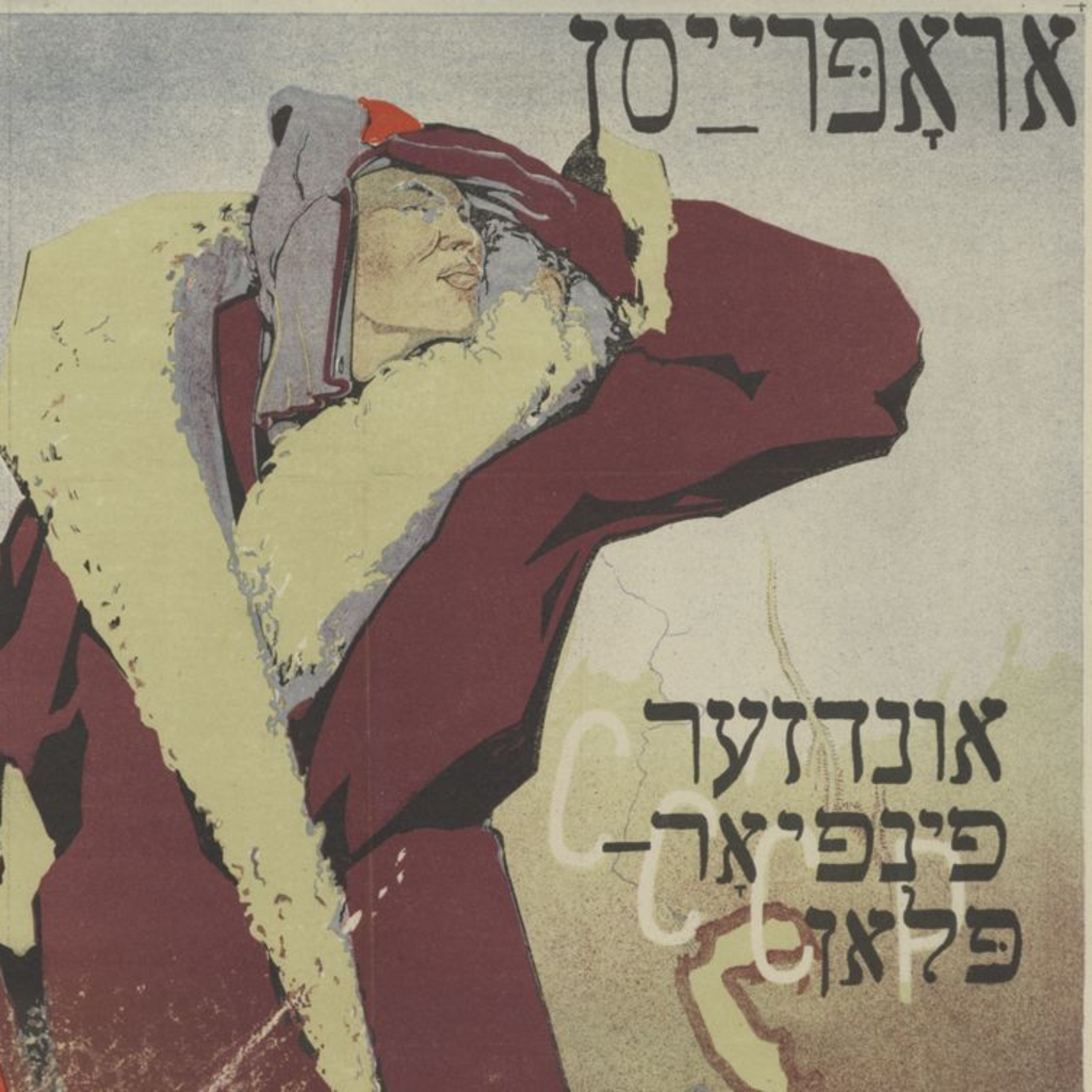
Support us on Patreon --- At the dawning of the 20th century, new songs of an ancient nation rang across the world. Yiddish, the native language of the Ashkenazi Jews, had assumed the status of a literary standard and was at the center of a political movement demanding freedom and dignity for its speakers. Though the events of this century would not allow this, Yiddish endured. The Jewish language survived the rise of fascism and nationalism, persisting even through the murder of millions of its speakers in the Holocaust. Today, in spite of all, Yiddish is a living and growing language. Alaskan Yiddish scholar Wilf returns to Gladio Free Europe to discuss the continuing history of one of the world’s most remarkable languages. This episode charts the course of Yiddish history from the 17th century onward, beginning with the diarist Glückel of Hamelin and moving through the social transformations of early modern Jewish life, including reactions to the failed Messianic movement of Sabbatai Zevi and the transformations of the Haskalah, or Jewish Enlightenment. During this time, Yiddish remained under scrutiny from both Jews and Gentiles. Disparaged as less holy than the Hebrew of the scriptures or the standard German of the newspapers, it was not until the 19th century that significant numbers of educated Jewish people came to embrace their native tongue. Writers and folklorists such as Mendele Moher Sforim and Sholem Aleichem took part in a broader movement of ethnographic reflection, embracing the Yiddish language at a time when its use was strongly politicized. Yiddish came to be associated with the celebration of the Jewish diaspora and all it stood for. The language would be a medium of communication for many political causes, perhaps mostly prominent labor radicalism and social reform. Yiddish-language theater, music, and cinema would spread out of Eastern Europe to all corners of the Jewish world. In the 1920s Yiddish would become the native language of nearly a quarter of New Yorkers. But just a their language was coming into its own, the rise of political antisemitism would inflict new horrors on the Jewish people. World War 2 and the Nazi Holocaust would destroy the traditional homeland of Yiddish, and very nearly wipe out its speakers. But despite this unprecedented tragedy, Yiddish would endure. As it had been a hundred years ago, Yiddish is often considered a symbol of a diasporic culture opposed to nationalist visions that disparage the diaspora. The ongoing revival of Yiddish, in both secular and religious circles, connects the modern world with the old Jewish shtetl and keeps alive a cultural and literary tradition as brilliant and as dignified as German or English or Chinese or Hebrew. Perhaps most importantly, Yiddish gives us some of the most charming concepts and expressions in the human lexicon, such as chutzpah and “the alrightnik.” Yiddish Cinematheque
Embed this episode
Ready to play
E121 Yiddish In Bloom ft. Wilf
No transcript for this episode yet
Similar Episodes
No similar episodes found.
Similar Podcasts
No similar podcasts found.