
EPISODE · Oct 4, 2025 · 59 MIN
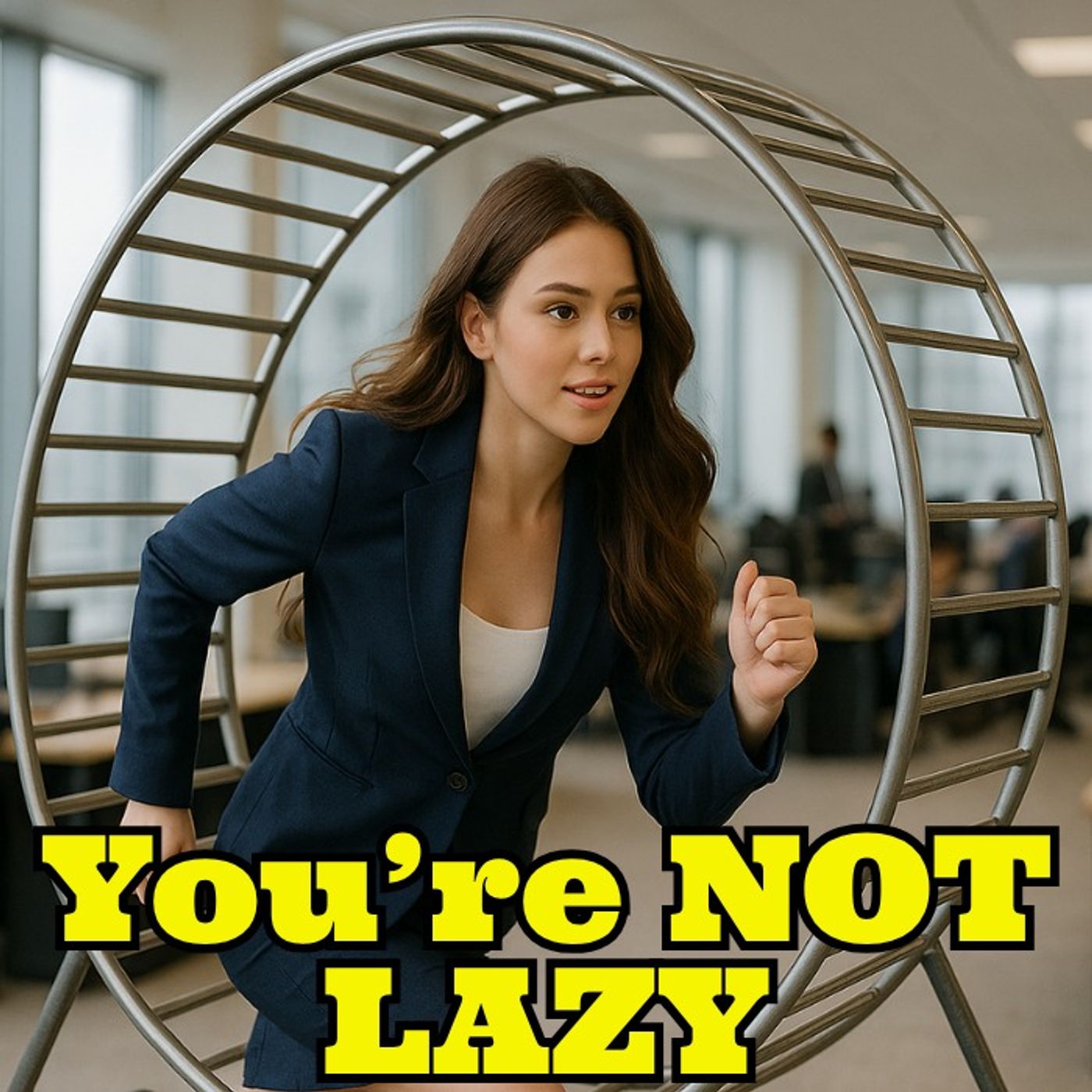
E159: Laziness Is a Myth: How Hustle Culture Hijacked Your Life
from El Podcast · host Devon Price, El Podcast, El Podcast Media, Jesse Wright
Dr. Devon Price unpacks “the laziness lie,” how AI and “bullshit jobs” distort work and higher ed, and why centering human needs—not output—leads to saner lives.Guest bio: Devon Price, PhD, is a Clinical Associate Professor of Psychology at Loyola University Chicago, a social psychologist, & writer. Prof Price is the author of Laziness Does Not Exist, Unmasking Autism, and Unlearning Shame, focusing on burnout, neurodiversity, and work culture.Topics discussed:The laziness lie: origins and three core tenetsAI’s effects on output pressure, layoffs, and disposabilityOverlap with David Graeber’s Bullshit Jobs and status hierarchiesAdjunctification and incentives in academiaDemographic cliff and the sales-ification of universitiesCareer choices in an AI era: minimize debt and stay flexibleRemote work’s productivity spike and boundary erosionBurnout as a signal to rebuild values around care and communityGap years, social welfare, and redefining “good jobs”Practicing compassion toward marginalized people labeled “lazy”Main points:The laziness lie equates worth with productivity, distrusts needs/limits, and insists there’s always more to do, fueling self-neglect and stigma.Efficiency gains from tech and AI are converted into higher expectations rather than rest or shorter hours.Many high-status roles maintain hierarchy more than they create real value; resentment often targets meaningful, low-paid work.U.S. higher ed relies on precarious adjunct labor while admin layers swell, shifting from education to a jobs-sales funnel.In a volatile market, avoid debt, build broad human skills, and choose adaptable paths over brittle credentials.Remote work raised output but erased boundaries; creativity requires rest and unstructured time.Burnout is the body’s refusal of exploitation; recovery means reprioritizing relationships, art, community, and self-care.A humane society would channel tech gains into shorter hours and better care work and infrastructure.Revalue baristas, caregivers, teachers, and artists as vital contributors.Everyday practice: show compassion—especially to those our culture labels “lazy.”Top three quotes:“What burnout really is, is the body refusing to be exploited anymore.” — Devon Price“Efficiency never gets rewarded; it just ratchets up the expectations.” — Devon Price“What is the point of AI streamlining work if we punish humans for not being needed?” — Devon Price 🎙 The Pod is hosted by Jesse Wright💬 For guest suggestions, questions, or media inquiries, reach out at https://elpodcast.media/📬 Never miss an episode – subscribe and follow wherever you get your podcasts.⭐️ If you enjoyed this episode, please rate and review the show. It helps others find us. Thanks for listening!
Embed this episode
What this episode covers
Clinical Professor of Psychology at Loyola University Chicago, Dr. Price, dismantles the “laziness lie” that equates human worth with productivity, showing how it drives burnout, stigma, and hollow status games. Drawing on AI’s impact, Graeber’s “bs jobs,” and academia’s adjunct crisis, Price urges revaluing care and creativity, setting boundaries, minimizing debt, and building a society that centers human needs over output.
NOW PLAYING
E159: Laziness Is a Myth: How Hustle Culture Hijacked Your Life
No transcript for this episode yet
Similar Episodes
Similar Podcasts
No similar podcasts found.