
EPISODE · Nov 27, 2025 · 44 MIN
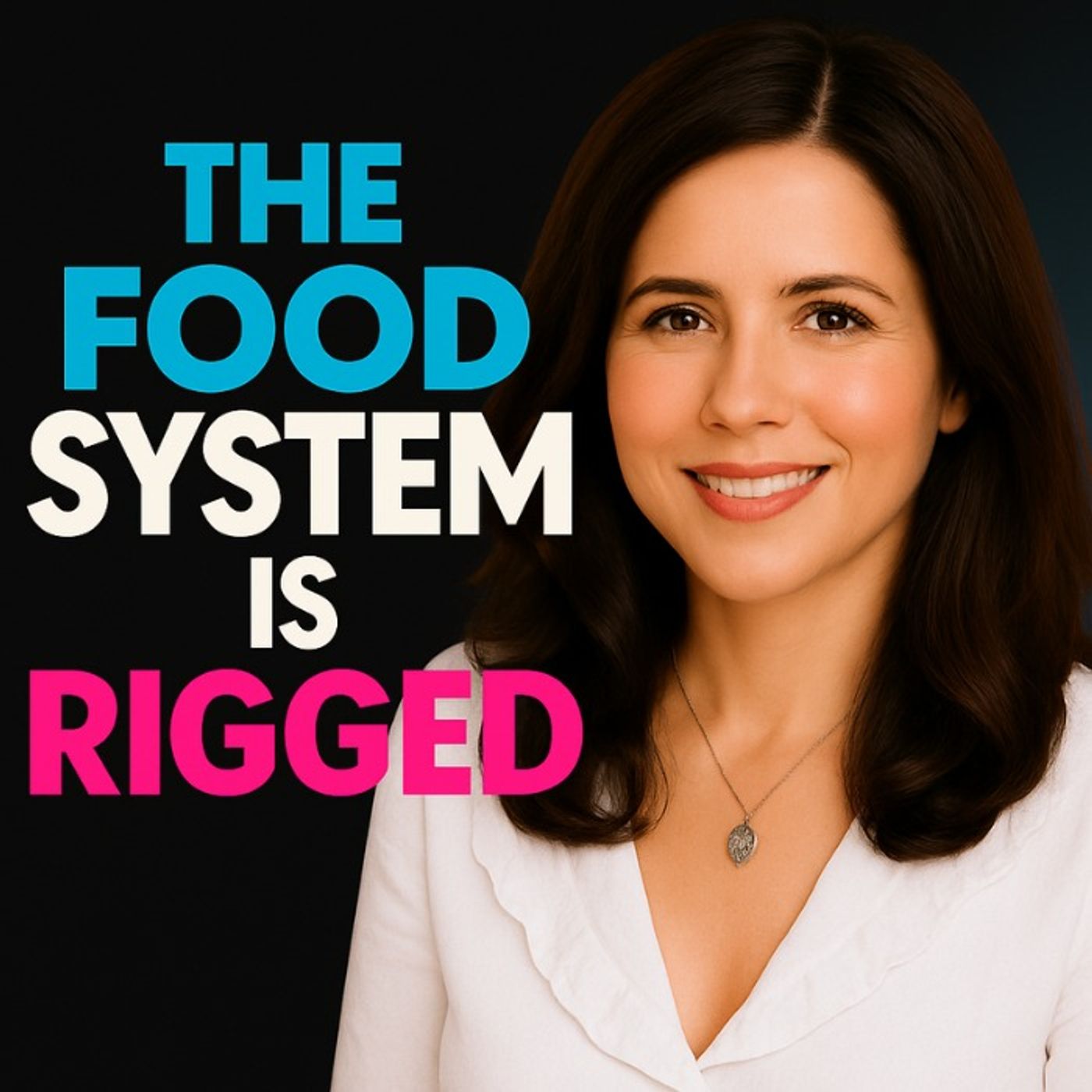
E169: Why Diets Fail: The Hidden Forces Controlling What You Eat - Julia Belluz
from El Podcast · host Julia Belluz, Jesse Wright, El Podcast Media, El Podcast
Investigative health journalist Julia Belluz breaks down what really drives obesity and chronic disease—metabolism myths, ultra-processed food, bad incentives, and why our entire food environment is quietly rigged against us.Guest bio: Julia Belluz is a Paris-based health and science journalist and co-author of Food Intelligence: The Science of How Food Both Nourishes and Harms Us, written with NIH researcher Dr. Kevin Hall. Over more than a decade reporting for outlets like Vox and The New York Times, she’s become one of the sharpest explainers of nutrition science, chronic disease, and the politics of the global food system.Topics discussed:The Biggest Loser study: what Kevin Hall actually discovered about extreme weight loss and metabolic slowdownWhy “a slow metabolism” is not destiny—and why the biggest losers had the biggest metabolic dropsIs a calorie a calorie? Low-carb vs low-fat when calories are controlledProtein “maximization,” the protein appetite, and why excess protein isn’t magicVitamins, supplements, kidney stones, and the $2T wellness industryThe 10,000+ chemicals in the U.S. food supply and the GRAS loopholeUltra-processed foods, added salt/sugar/fat, and the simple math of calorie surplusFood environments vs willpower: why it’s so hard to “eat right” in the U.S.What France gets right on markets, school lunches, and prepared foodsIndustry funding, NIH underinvestment in nutrition, and government’s failure to regulatePractical strategies: reshaping your home food environment and demanding better policyMain points:Extreme weight loss = extreme metabolic slowdownBiggest Loser contestants showed huge willpower and lost enormous amounts of weight—but the biggest losers had the largest and most persistent drops in metabolic rate, even six years later.Metabolism followed weight loss; it didn’t cause it. “Slow metabolism” is not a life sentence, and it’s not the main driver of the obesity epidemic.For fat loss, calories still mostly ruleWhen Kevin Hall tightly controls calories in the lab, low-carb vs low-fat leads to almost identical fat loss, with only a trivial edge for low-fat.Macro wars are wildly overstated; total calories and food environment matter far more than whether you’re Team Carbs or Team Fat.Protein is essential, but not a cheat codeHumans (and many animals) seem to have a “protein appetite” that keeps intake in a fairly narrow range worldwide.Overshooting that range doesn’t give you free fat loss—you essentially excrete the extra nitrogen and keep the calories.Supplements are often useless—or harmfulRoutine multivitamins rarely help people who aren’t deficient and can sometimes increase risk.Under-regulated “metabolism boosters” and weight-loss pills are a real source of ER visits and kidney issues.The chemicals loophole is real—and alarmingSince 1958, and especially after 1997, U.S. companies have been allowed to classify new food chemicals as “generally recognized as safe” without real FDA oversight, independent review, or even notification.We don’t yet know how much these chemicals contribute to disease, but we already have more than enough evidence to indict excess calories and the salt–sugar–fat trifecta.It’s the food environment, not your moral characterObesity has risen across ages and countries as food environments have shifted—cheap, omnipresent, ultra-processed, aggressively marketed calories.France shows what policy can do: strong school-meal standards, protected fresh markets, and widely available healthy prepared foods all make “the default choice” less toxic.Policy and leadership, not just personal hacksLess than ~5% of NIH funding goes to nutrition research, while industry funding quietly shapes what gets studied.Individual strategies (cooking more, controlling home food, simplifying meals) matter—but large-scale change requires political pressure and better rules of the game.Top quotes:“The people who lost the most weight on The Biggest Loser ended up with the greatest metabolic slowdown—and that slowdown was still there six years later.”“We don’t need conspiratorial chemicals to explain the obesity epidemic—an endless supply of cheap, ultra-processed food high in salt, sugar, and fat is plenty.”“Obesity is not a mass failure of willpower. It’s what happens when entire populations are dropped into toxic food environments and then told the problem is their character.” 🎙 The Pod is hosted by Jesse Wright💬 For guest suggestions, questions, or media inquiries, reach out at https://elpodcast.media/📬 Never miss an episode – subscribe and follow wherever you get your podcasts.⭐️ If you enjoyed this episode, please rate and review the show. It helps others find us. Thanks for listening!
Embed this episode
What this episode covers
Investigative health journalist Julia Belluz joins the show to unpack the real science behind obesity, metabolism, and ultra-processed food, drawing on her work with NIH researcher Dr. Kevin Hall and their new book Food Intelligence. We get into the Biggest Loser study, why “a slow metabolism” isn’t destiny, how the modern food system quietly rigs our choices, and what actually helps people eat well in a toxic food environment.
NOW PLAYING
E169: Why Diets Fail: The Hidden Forces Controlling What You Eat - Julia Belluz
No transcript for this episode yet
Similar Episodes
No similar episodes found.
Similar Podcasts
No similar podcasts found.