
EPISODE · Jan 13, 2026 · 59 MIN
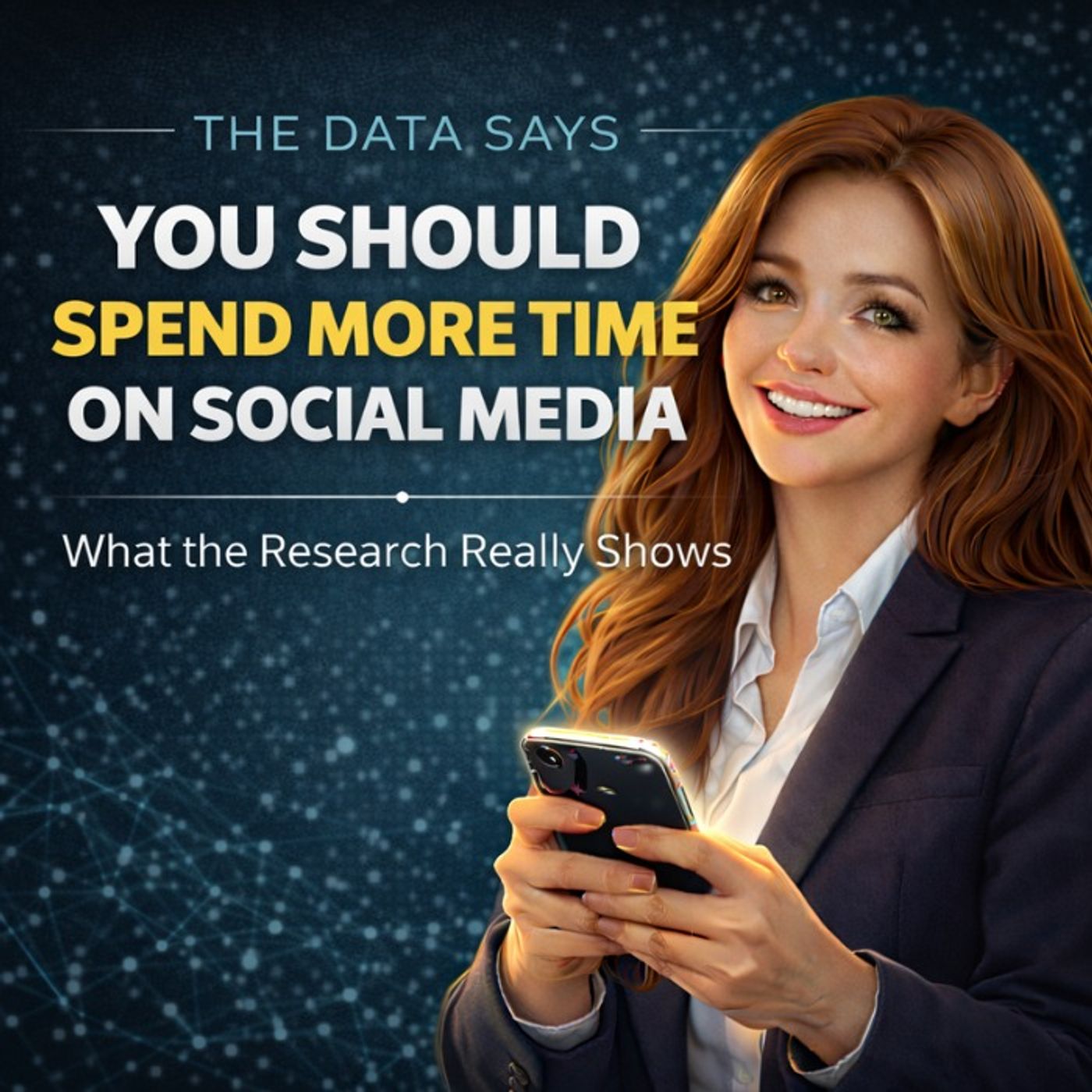
E178: Social Media Isn’t Toxic: Here’s What the Data Says - Dr. Jeff Hall
from El Podcast · host Jeffrey A. Hall, Dr. Jeff Hall, Jesse Wright, El Podcast, El Podcast Media
Social media isn’t “crack for your brain” for most people—Jeffrey Hall argues the best evidence shows tiny average effects on wellbeing, lots of measurement mess, and a bigger story about relationships, leisure, and moral panic.Guest bio (short)Dr. Jeffrey Hall is Professor and Chair of Communication Studies at the University of Kansas and Director of the Relationships and Technology Labs, researching social media, communication, and how relationships shape wellbeing.Topics discussed (in order)Why “social media is toxic” became the default story (and why it may be a moral panic)What the research actually finds: effects near zero for most usersThe 0.4% figure and why context (baseline mental health, home life, SES) matters moreThe measurement problem: “screen time” vs “social media time” vs “everything a phone replaces”Media displacement: social media time often replaces TV time more than it replaces relationshipsMyth: social media addiction is widespread—why self-diagnosis ≠ clinical addictionTeen mental health: social media as a minor factor compared to home, school, money, support“Potatoes and glasses” comparison: putting effect sizes in perspectiveContent quality debates (TikTok vs Jerry Springer) and why taste ≠ wellbeing outcomesSocial bandwidth: why people decompress differently based on work and social demandsReal risks (fraud, cyberbullying, nonconsensual content) without treating them as the whole storyTech leaders restricting kids’ tech: privilege, parenting, and “perfectly curated” childhoodsHas teaching changed? Jeff’s take: pandemic disruption mattered more than phonesPractical takeaway: prioritize relationships; be forgiving about media; align leisure with valuesMain pointsMost studies find tiny average links between social media use and wellbeing; context explains far more.“Screen time” is a blunt instrument because phones replaced many older activities (TV, music, news, books, calls).“Addiction” is often used casually; clinically, we lack strong standards/tools to diagnose “smartphone addiction” the way we do substance use.Social time may be declining for some, but heavy media use often concentrates among people with fewer social anchors (work, family, community).Digital detox results vary—benefits tend to show up when people replace media with chosen, value-aligned activities.Relationships remain the most reliable wellbeing lever: face-to-face is great, calls are strong, texts can help—staying connected matters.Top 3 quotes (from the conversation)“Social media has become almost like a vortex that pours in every other conversation that we're having right now.”“Study after study basically says the effect is close to zero or approximate zero.”“It is really, really good evidence that relationships are good for you… prioritize relationships in your life.”Subscribe➡️Review➡️shareIf you liked this episode, subscribe for more conversations that cut through moral panics with data. Leave a review (it helps new listeners find the show), and share this episode with one friend who’s convinced social media is “destroying society”—especially if you want a calmer, more evidence-based take. 🎙 The Pod is hosted by Jesse Wright💬 For guest suggestions, questions, or media inquiries, reach out at https://elpodcast.media/📬 Never miss an episode – subscribe and follow wherever you get your podcasts.⭐️ If you enjoyed this episode, please rate and review the show. It helps others find us. Thanks for listening!
Embed this episode
What this episode covers
Dr. Jeffrey Hall is a professor and chair of Communication Studies at the University of Kansas. He argues that social media is not “crack for your brain.” The best long-term research shows that, for most people, social media has very small effects on mental health. Many alarming claims come from weak or inconsistent measurements, sloppy definitions of “screen time,” and cherry-picked results rather than strong evidence. Hall’s bigger point is that social media has become a moral panic—a convenient way to blame anxiety, loneliness, and teen distress while ignoring deeper causes like family stability, economic stress, mental health history, and changes in how people spend their leisure time. His takeaway is simple: relationships matter far more than screens, and media use should be treated as a personal choice, not a public-health crisis.
NOW PLAYING
E178: Social Media Isn’t Toxic: Here’s What the Data Says - Dr. Jeff Hall
No transcript for this episode yet
Similar Episodes
No similar episodes found.
Similar Podcasts
No similar podcasts found.