
EPISODE · Jan 23, 2026 · 43 MIN
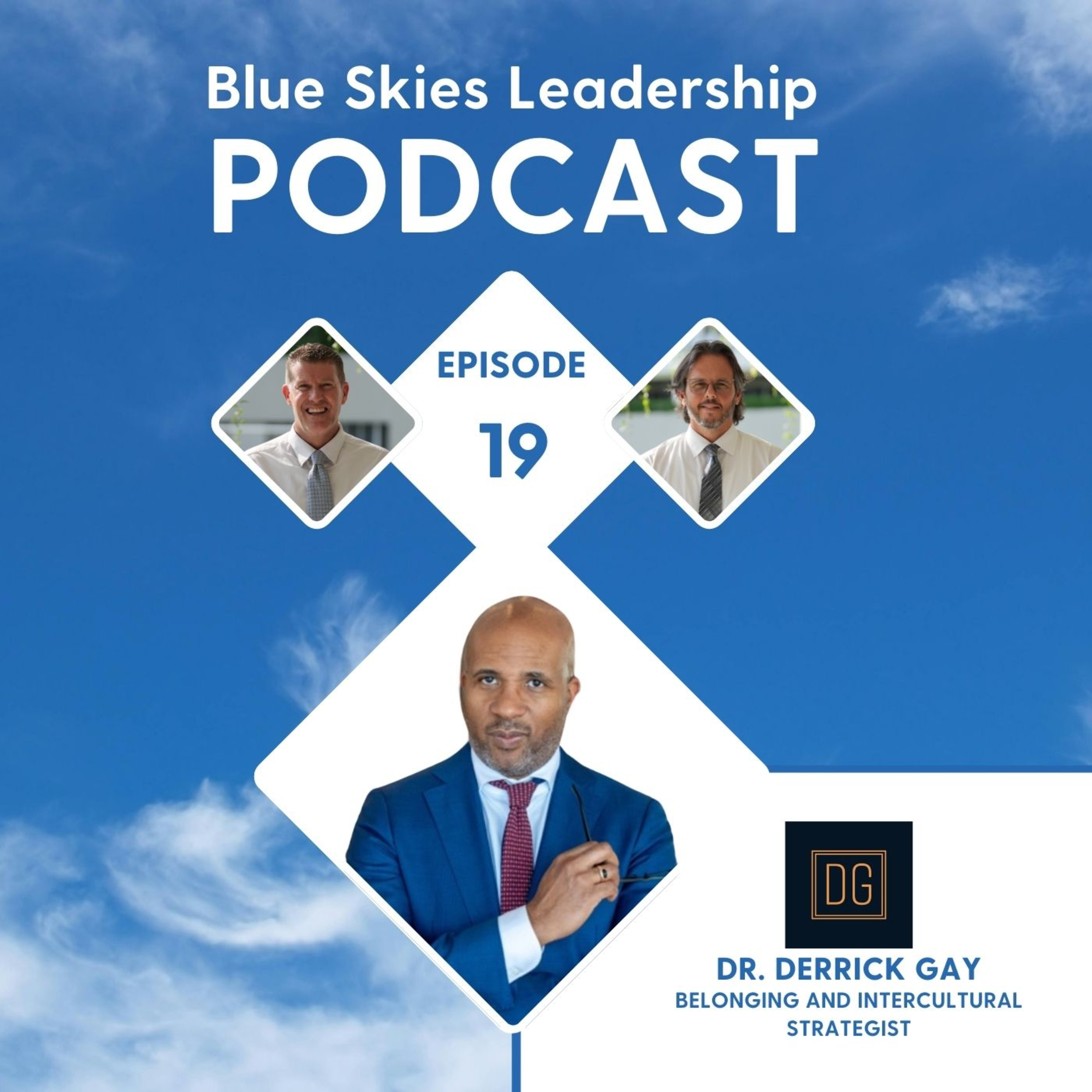
E19 - The Science of Belonging: Moving Beyond Polarity to Safeguard Dignity-Dr. Derrick Gay
from Blue Skies Leadership · host Daniel Mendes and Dan Kerr - Blue Skies Leadership
In our first repeat guest on the show, Dr. Derrick Gay discusses intercultural competency—the knowledge, skills, and capacity to communicate and interact across difference with empathy and respect—as a core professional practice in international education to deepen belonging, He examines common misconceptions that reduce culture to surface-level traits, and offers a more nuanced framework for understanding how values, norms, and power operate beneath the surface, including through the cultural iceberg metaphor. The conversation also explores how schools can build staff capacity across age groups and roles, strengthen collaboration among local and international colleagues, and design structures (such as effective committees, shared language, and clear norms) that support adaptive change while sustaining dignity and respect across the community.TakeawaysBelonging is a fundamental human need that is scientifically grounded.Dignity and respect should be the core values in educational organizations.Intercultural competency is not just about exposure but requires understanding and adaptability.Effective belonging committees should include wide range of different backgrounds, voices and perspectives..The cultural iceberg metaphor helps in understanding deeper cultural norms and values.Empathy should be scaffolded in educational conversations to promote understanding.Professional learning should involve both local and foreign staff to enhance belonging.Children are motivated to be kind and empathic; we should tap into that.It's essential to create spaces for courageous conversations about cultural clashes.The work of belonging is ongoing and requires commitment from all stakeholders.Sound bites"You're wired to have this sense of belonging.""Exposure is not the same as competency.""My passion and my vocation are the same."Chapters00:00 The Importance of Belonging05:01 Navigating Change and Dignity in Education09:45 Adapting Approaches for Different Age Groups16:09 Intercultural Competency and Its Misconceptions22:00 Building Effective Belonging Committees26:00 Understanding the Cultural Iceberg30:02 Bridging Gaps Between Local and Foreign Staff35:08 Looking Ahead: Future of Belonging in EducationKeywordsbelonging, education, intercultural competency, dignity, change management, international schools, community, belonging committees, cultural iceberg, professional learning
Embed this episode
NOW PLAYING
E19 - The Science of Belonging: Moving Beyond Polarity to Safeguard Dignity-Dr. Derrick Gay
No transcript for this episode yet
Similar Episodes
No similar episodes found.