
EPISODE · Feb 15, 2020 · 6 MIN
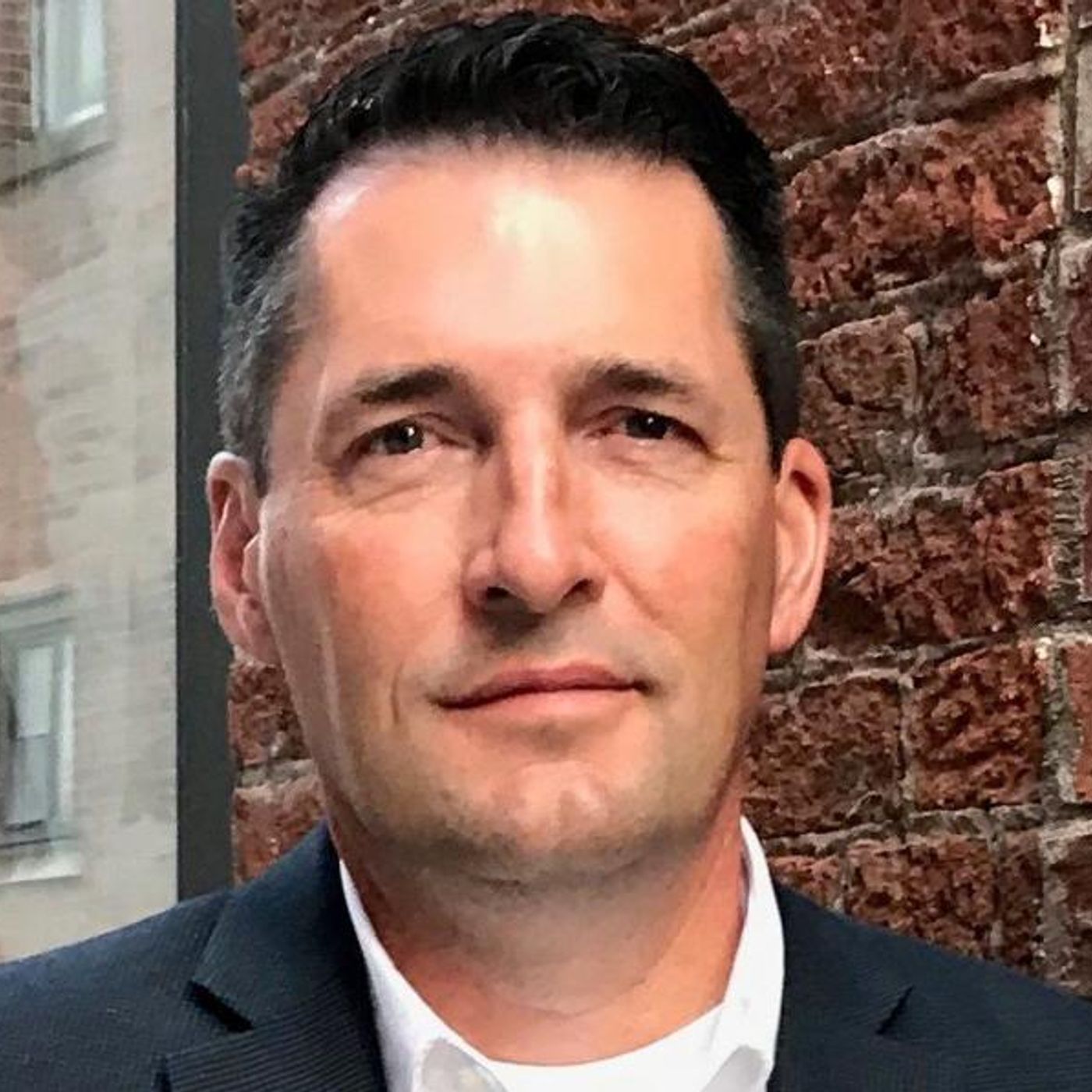
E2 City of La Crosse Jason Gilman Planning and Development
from Podcast For Hire · host Produced by Podcast For Hire
Transcription is for SEO purposes only. To find out more about the city of La Crosse please visit their website www.cityoflacrosse.org to find out more about Podcast For Hire please visit PodcastForHire.comThis is Jason Gilman, the director, planning and development for the city of La Crosse and my role is basically to make sure that the plans that the city ratifies. That is, the Council adopts are implemented in those plans largely focused on ways that we can improve the city from a quality-of-life standpoint, but if you break it down into baby for digestible areas. You can think about economics, environmental conditions, social conditions and cultural conditions. Those are the pillars of most plan implementation gets done by, usually three different tools that municipal government has at its disposal. One would be regulation or deregulation second would be financial programs that would have some measure of return on the public's investment and then the third would be education and awareness of networking, so this would be things like making sure that were constantly reaching out to investors to nongovernmental organizations to neighborhood associations and keeping people colored with good information about city. The city's comprehensive plan is now 18 years old… Are you planning on doing to retire that plan and to start with a new one, were actually working on a plan update. Right now it's customary for a comprehensive plan to have about a 20 year shelf life. If we look at a snapshot of our last 20 we seem very significant changes from the great recession to lots of construction downtown La Crosse to rapidly aging population. The first phase is really to collect information about the city to update all the data is both primary and secondary data so the primary data would be survey information unique information from our citizens. Secondary data would be the stuff that's available on the web from demographics to the Department of workforce development and other sources and we really look at that data in defense and offense of categories for the defense. It would be decisions over the next decade to mitigate downside risk so you can think about some of the risks cities are facing like decaying infrastructure or mental health issues in the community or aging could be one although there's a positive side to aging to but we want to make sure we address the issues that could affect quality of life of our aging population. Climate action is another one, and several others in the offense of side is really to build capacity. How do we make a better city so that citizens have a better quality of life. Then they might elsewhere that can be everything from affordable housing and economic security for people to bolstering our neighborhood Association so people can be civic. We engaged in their city with good information and access to resources and other things like that Kissimmee did mention housing affordability, and I know that in the 28 years that I've owned a house on the cross that the housing market is kind of gone up all puppet away how how do we bring those prices back down so they can be more affordable for the average person to be home water. It's a real conundrum and in cities because were really facing the perfect storm. We have high levels of retention because of aging population. People are wanting to age in place and that's partly due to the fact that we don't have enough senior housing to meet demand, or enough of the variety that seniors are looking for like urban tall houses or condominiums think like that. The other part of that is construction inflation were facing unprecedented construction inflation or new construction for single-family homes is pushing $200 a square foot or more. And the problem manifests in other ways because he should be spending more than 30% of your debt income on housing related costs and if you're spending 50 or 60% it leaves you vulnerable to other problems with the stuff you basically just been talking about. Is there any hopes for maybe the old ShopKo's or Kmart or any of the other vacant properties that are out there to maybe have those become affordable. Yeah, absolutely. And that that's really what's exciting about some of these what we call greenfield sites which are really in transition from the old big box retail model to something more current. A lot of the success stories around the United States with regard doing adaptive reuse or retrofitting of those old retail sites are showing more compact retail Lake neighborhood retail which could be anything from coffee shops to insurance and fitness centers, and other things in the context of mixed-use of the year housing component and that housing component could be a combination of senior housing affordable housing market rate housing and it's usually vertical construction, which is yield better land utilization more tax base for the city but it also puts people closer to services so they can all live, work and play in the same area. Let me ask you this strength score La Crosse. I would say in our strengths here are tremendous employers that are in growth mode are great medical institutions are schools the fact that we have urban elementary schools which give people great quality-of-life neighborhoods. We have beautiful older housing stock. Even though some of it needs REIT rehabilitation. It's it's on the up ticking on terms of investment lot. Lots of strengths and then of course are natural firemen gets talked about all the time. With regard to homeport matters in your life have access to patron recreation and then external opportunities. I think there are all kinds of things like Viking cruise lines wanting to invest on the Mississippi River docking 7 to 12 times a season and having international visitors enjoy our city and shop at our doors downtown and help our local business owners can then then I would say energy innovation. We got some great minds in the city with train company in our universities and our power companies that are shifting gears to renewable energy and provide people with more cost-effective services that are more environmentally sound
Embed this episode
What this episode covers
Transcription is for SEO purposes only. To find out more about the city of La Crosse please visit their website www.cityoflacrosse.org to find out more about Podcast For Hire please visit PodcastForHire.com This is Jason Gilman, the director, planning and development for the city of La Crosse and my role is basically to make sure that the plans that the city ratifies. That is, the Council adopts are implemented in those plans largely focused on ways that we can improve the city from a quality-of-life standpoint, but if you break it down into baby for digestible areas. You can think about economics, environmental conditions, social conditions and cultural conditions. Those are the pillars of most plan implementation gets done by, usually three different tools that municipal government has at its disposal. One would be regulation or deregulation second would be financial programs that would have some measure of return on the public's investment and then the third would be education and awareness of networking, so this would be things like making sure that were constantly reaching out to investors to nongovernmental organizations to neighborhood associations and keeping people colored with good information about city. The city's comprehensive plan is now 18 years old… Are you planning on doing to retire that plan and to start with a new one, were actually working on a plan update. Right now it's customary for a comprehensive plan to have about a 20 year shelf life. If we look at a snapshot of our last 20 we seem very significant changes from the great recession to lots of construction downtown La Crosse to rapidly aging population. The first phase is really to collect information about the city to update all the data is both primary and secondary data so the primary data would be survey information unique information from our citizens. Secondary data would be the stuff that's available on the web from demographics to the Department of workforce development and other sources and we really look at that data in defense and offense of categories for the defense. It would be decisions over the next decade to mitigate downside risk so you can think about some of the risks cities are facing like decaying infrastructure or mental health issues in the community or aging could be one although there's a positive side to aging to but we want to make sure we address the issues that could affect quality of life of our aging population. Climate action is another one, and several others in the offense of side is really to build capacity. How do we make a better city so that citizens have a better quality of life. Then they might elsewhere that can be everything from affordable housing and economic security for people to bolstering our neighborhood Association so people can be civic. We engaged in their city with good information and access to resources and other things like that Kissimmee did mention housing affordability, and I know that in the 28 years that I've owned a house on the cross that the housing market is kind of gone up all puppet away how how do we bring those prices back down so they can be more affordable for the average person to be home water. It's a real conundrum and in cities because were really facing the perfect storm. We have high levels of retention because of aging population. People are wanting to age in place and that's partly due to the fact that we don't have enough senior housing to meet demand, or enough of the variety that seniors are looking for like urban tall houses or condominiums think like that. The other part of that is construction inflation were facing unprecedented construction inflation or new construction for single-family homes is pushing $200 a square foot or more. And the problem manifests in other ways because he should be spending more than 30% of your debt income on housing related costs and if you're spending 50 or 60%...
Ready to play
E2 City of La Crosse Jason Gilman Planning and Development
No transcript for this episode yet
Similar Episodes
No similar episodes found.
Similar Podcasts
No similar podcasts found.